From Roman to contemporary times
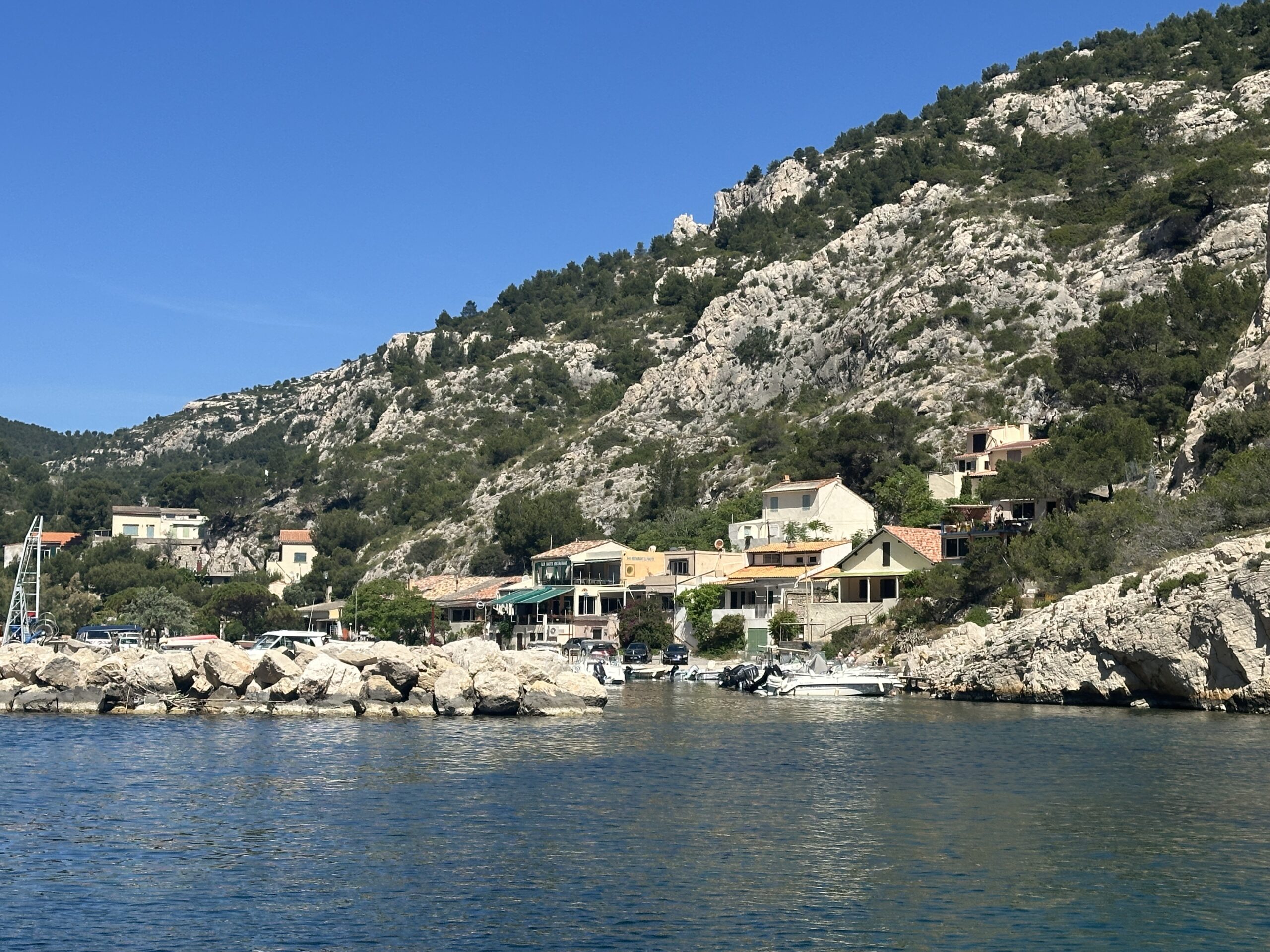
A calanque is something between a sheltered harbor and a fjord, with its Mediterranean waters around 60F at the current moment. Marseille itself is located in a giant one but smaller ones notch the coastline in this area. Many have restaurants and fishing villages nestled in them–some accessible overland and some only by boat.
On the way back from Thoronet, we had a quick dinner in Cassis, which after the deep variety of Marseille, struck Mikie as rather white and manicured, like a New England yacht club. On the drive, Jody reads aloud from books about Roman times here, the political organization, the coups, and the clever management techniques that were key to Roman success in retaining the best legions.
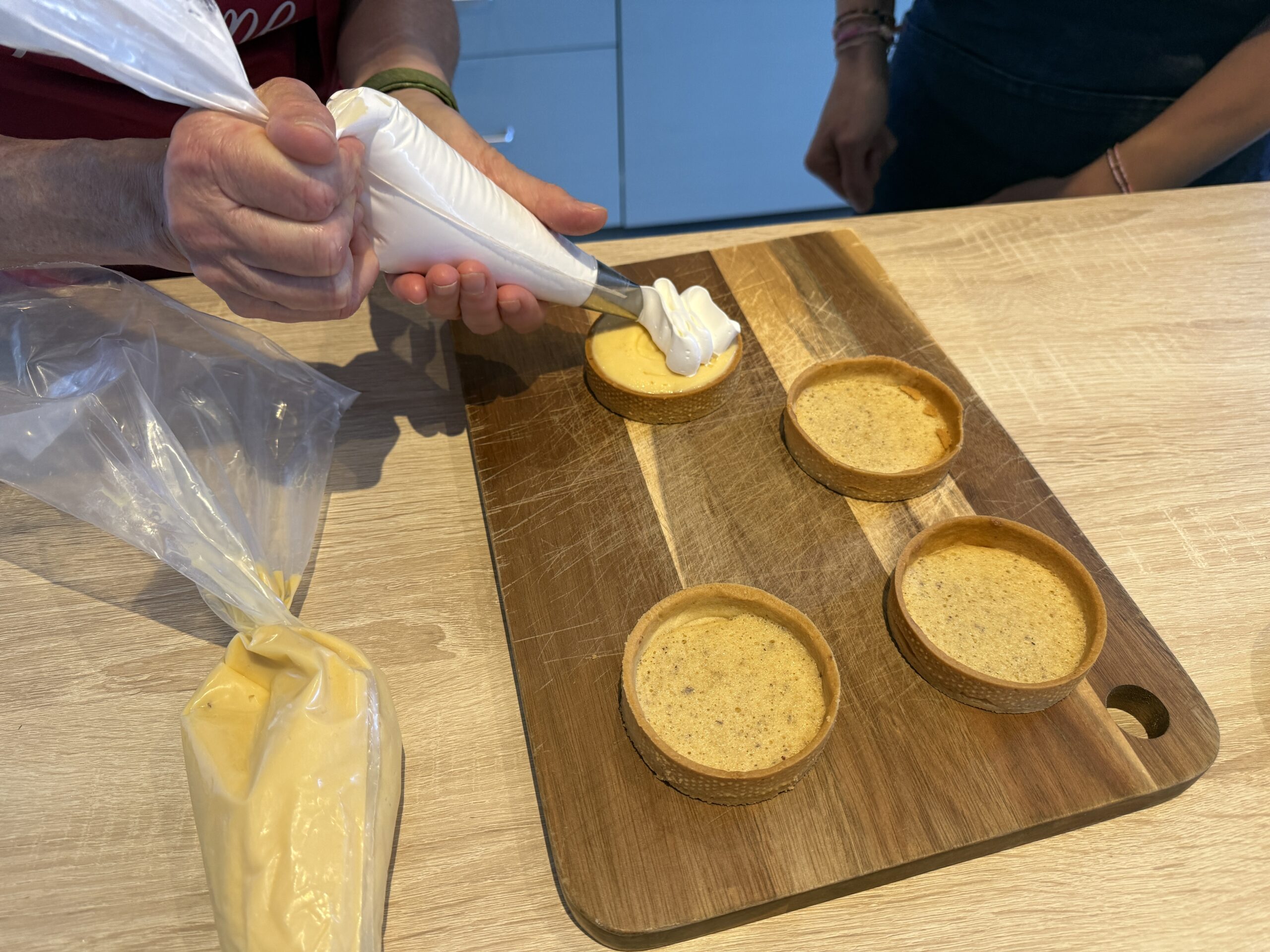
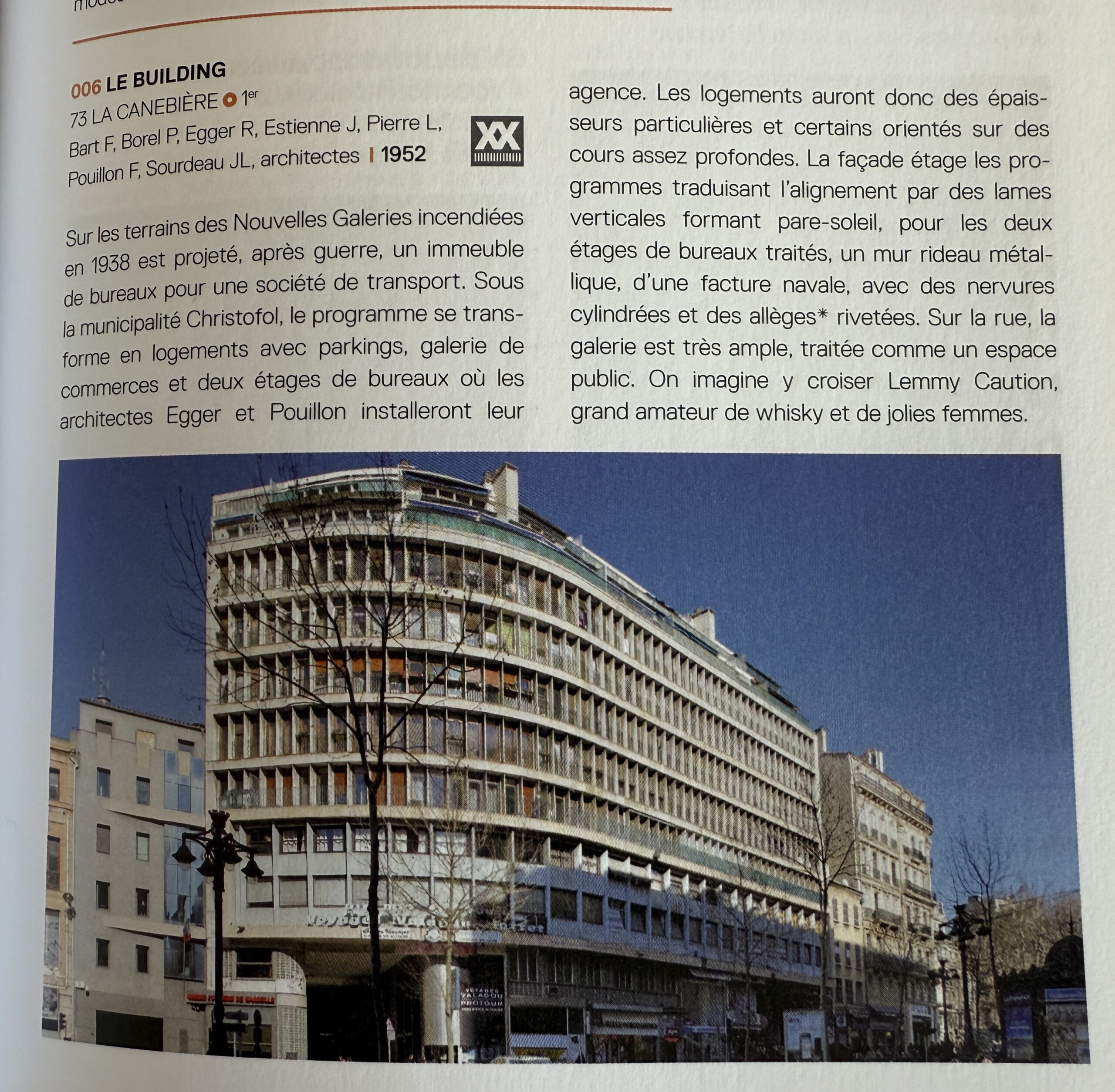
We took a pastry class and learned to make a lemon tart with meringue topping that came out very attractive and yummy. The teacher’s house was in a more sanitary and safe part of Marseille than ours. We are staying in a famous building that must have seemed a skyscraper as they laid the cornerstone in 1952, but its neighborhood is now a bit mingy in spite of the city’s constant cleaning, maintenance, and public works. It has a certain stately beauty nevertheless and the location is fabulous. Not three blocks from our place is a wonderful combination cooking utensils-home decor-hardware emporium called L’empereur, which is the epitome of good design in the service of useful tools.
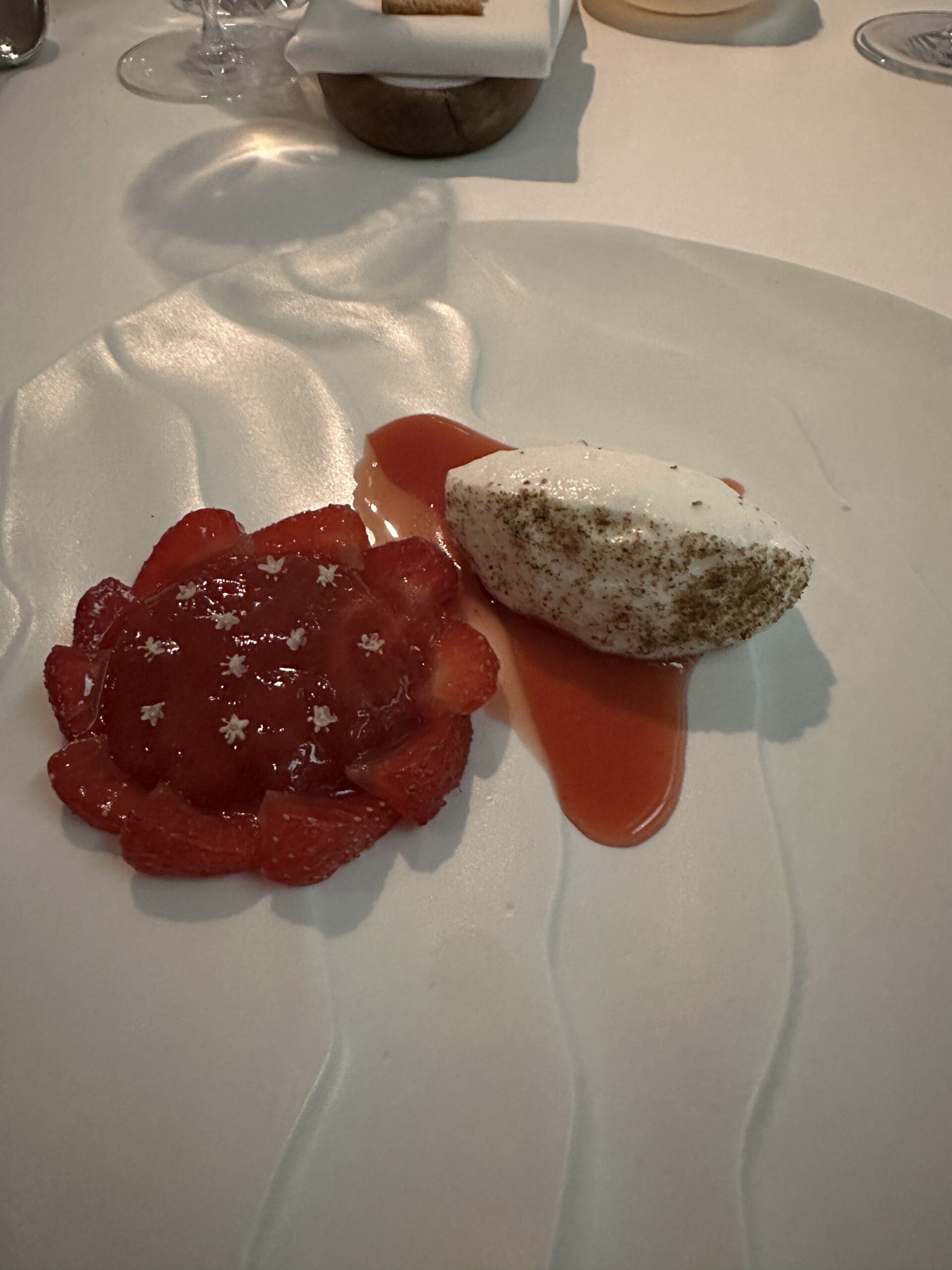
Our dining has been Michelin this and that but we were very fortunate to be invited to the table of a reknowned photographer, whose cooking turned out to be astonishing. We had olive fougasse much crispier than we get in L.A.–more like croissant material than bread–then white asparagus in Sauce Avignon, a loose bechamel with herbs, then a spring lamb roast of the sort American butchers are too “moral” to cut up (as if I went to butchers for their moral example), strawberries and Chantilly, espresso with Mirabelle Liqueur. It was the kind of excellent home cooking that Mikie aspires to. Thanks, Paul!
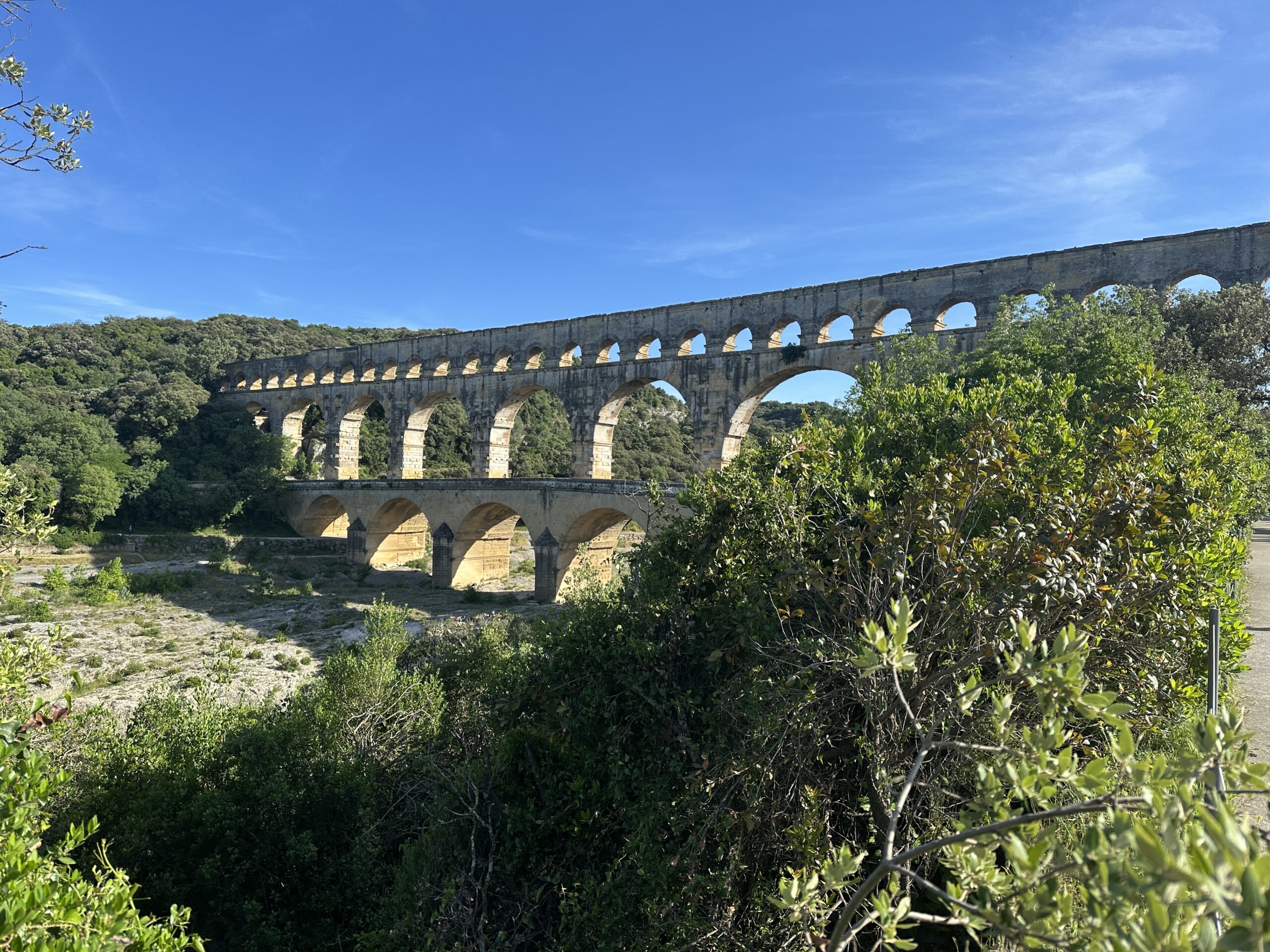
On the way back we visited the Pont du Gard, a massive Roman acqueduct in three levels that lasted through the dark ages until the renaissance brought back some appreciation of large-scale engineering projects.
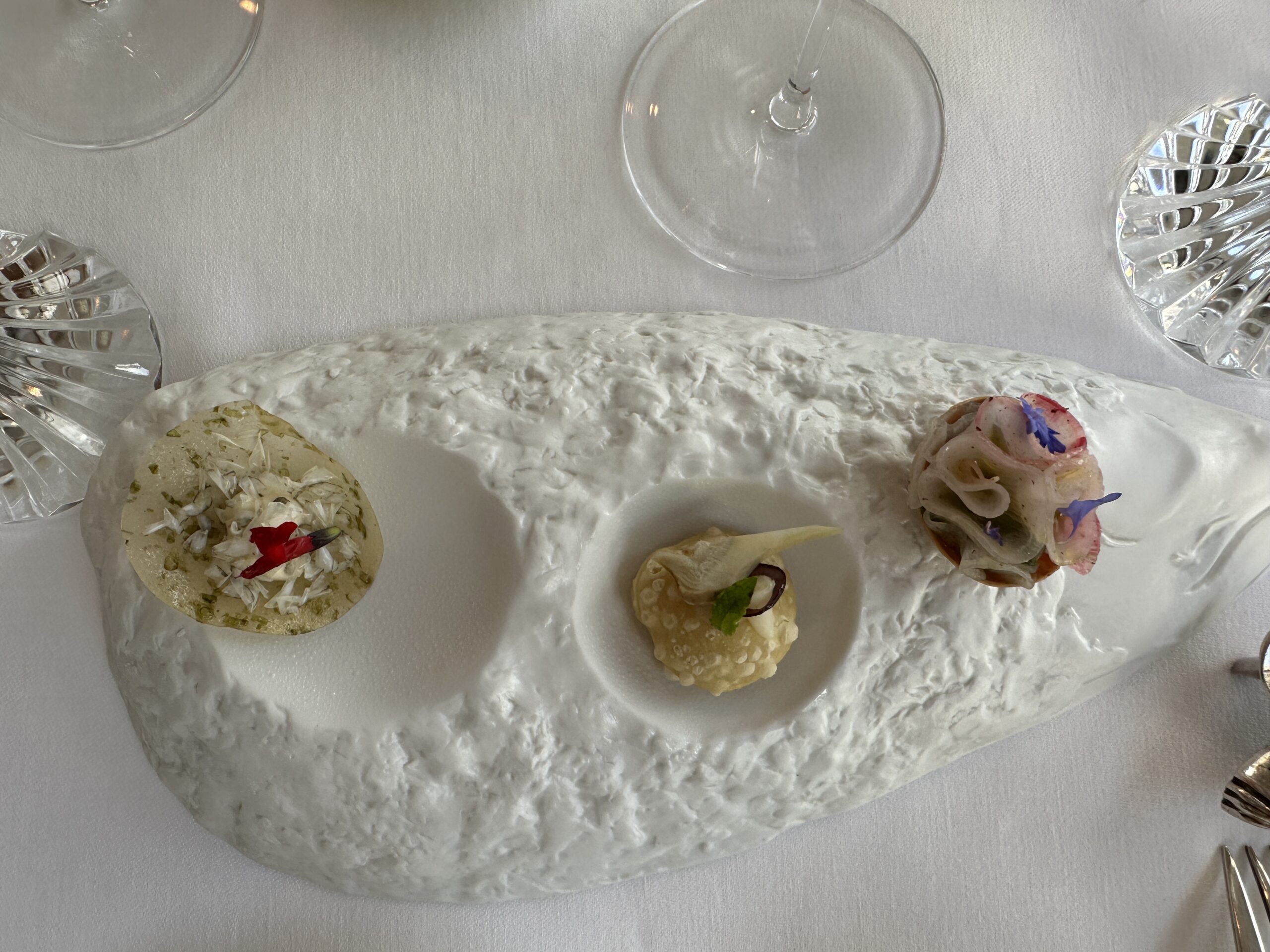
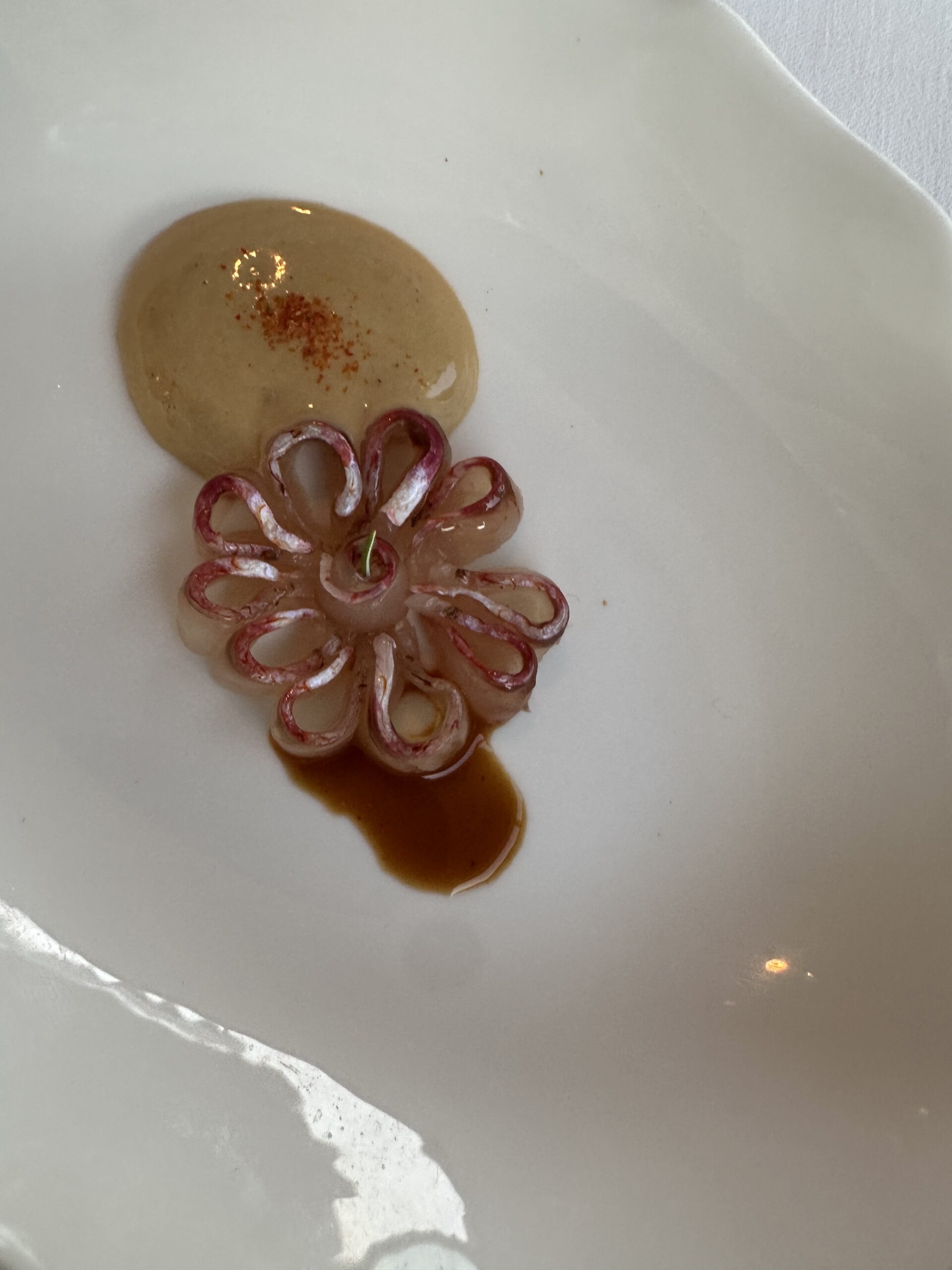
Not to slight the Michelin crowd, Le Petit Nice by Gérald Passedat offered us a stunning view of the sea and various references to the marine theme unfolding before our eyes. It was influenced by Japan but was not a hollow copy of kaiseki. Each dish explored undersea themes using exotic ingredients on extravagant pottery, and while we certainly have enjoyed wonderful 2-star meals, the 3-star experience is as different as poetry from prose.
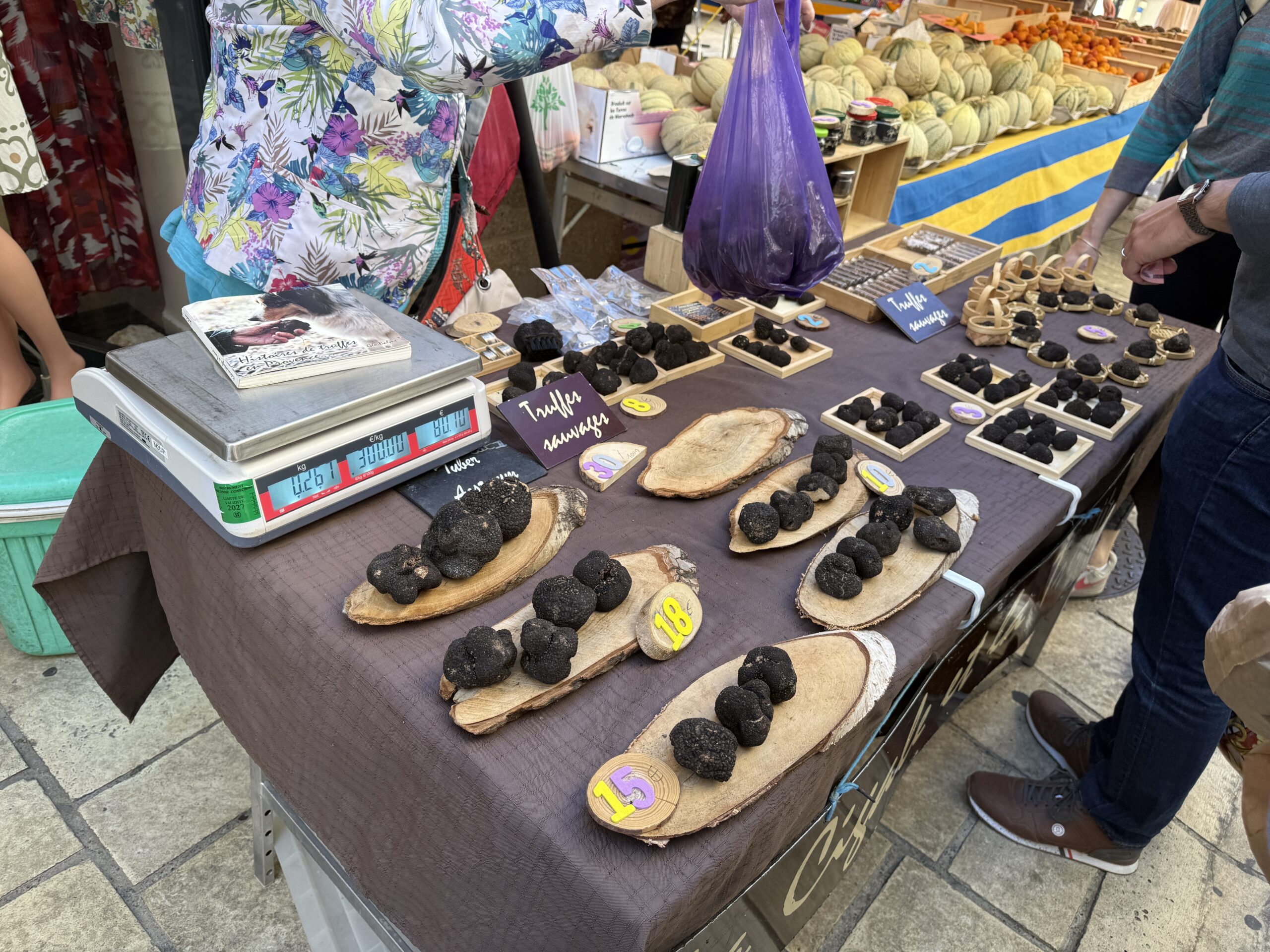
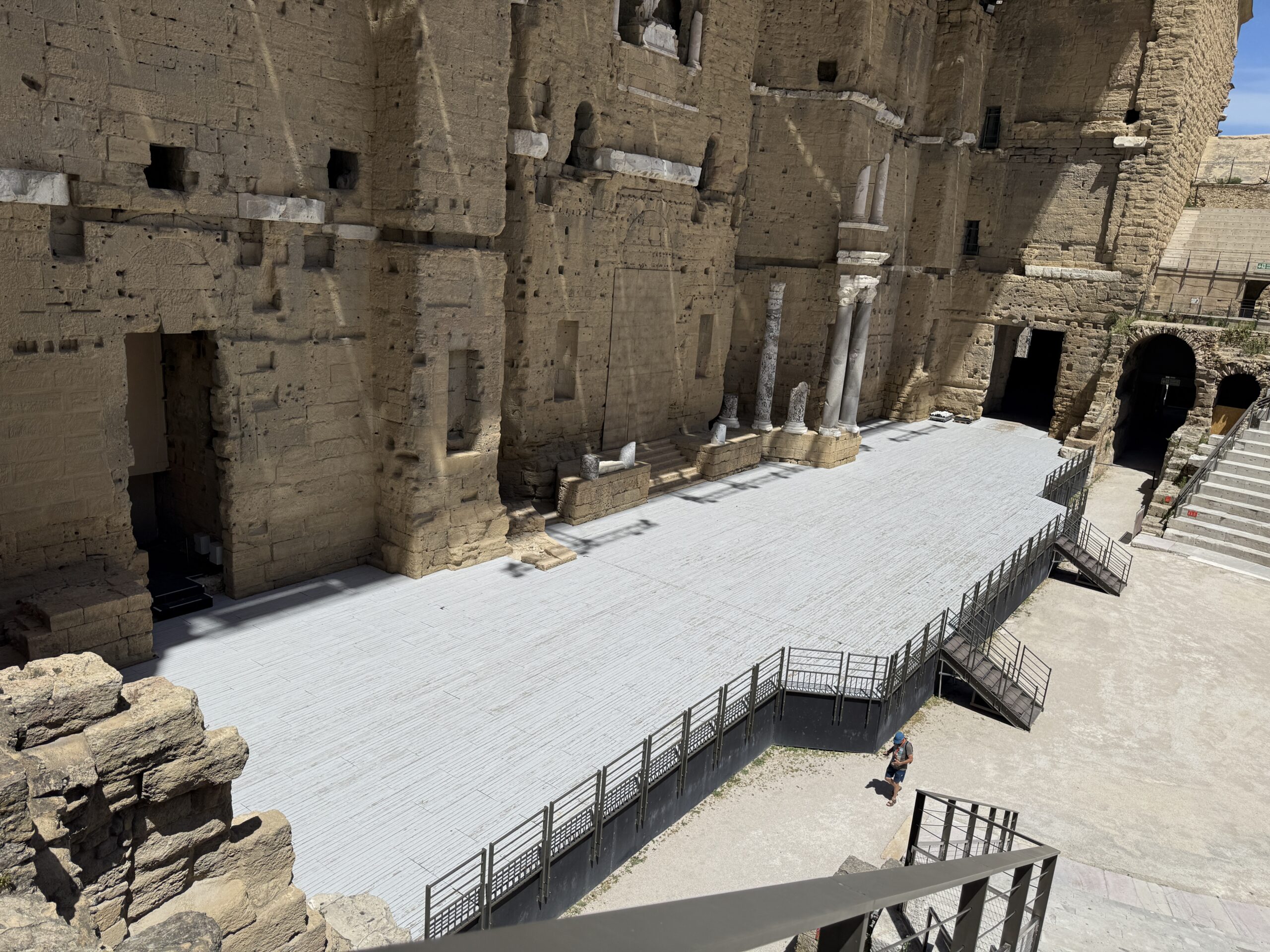
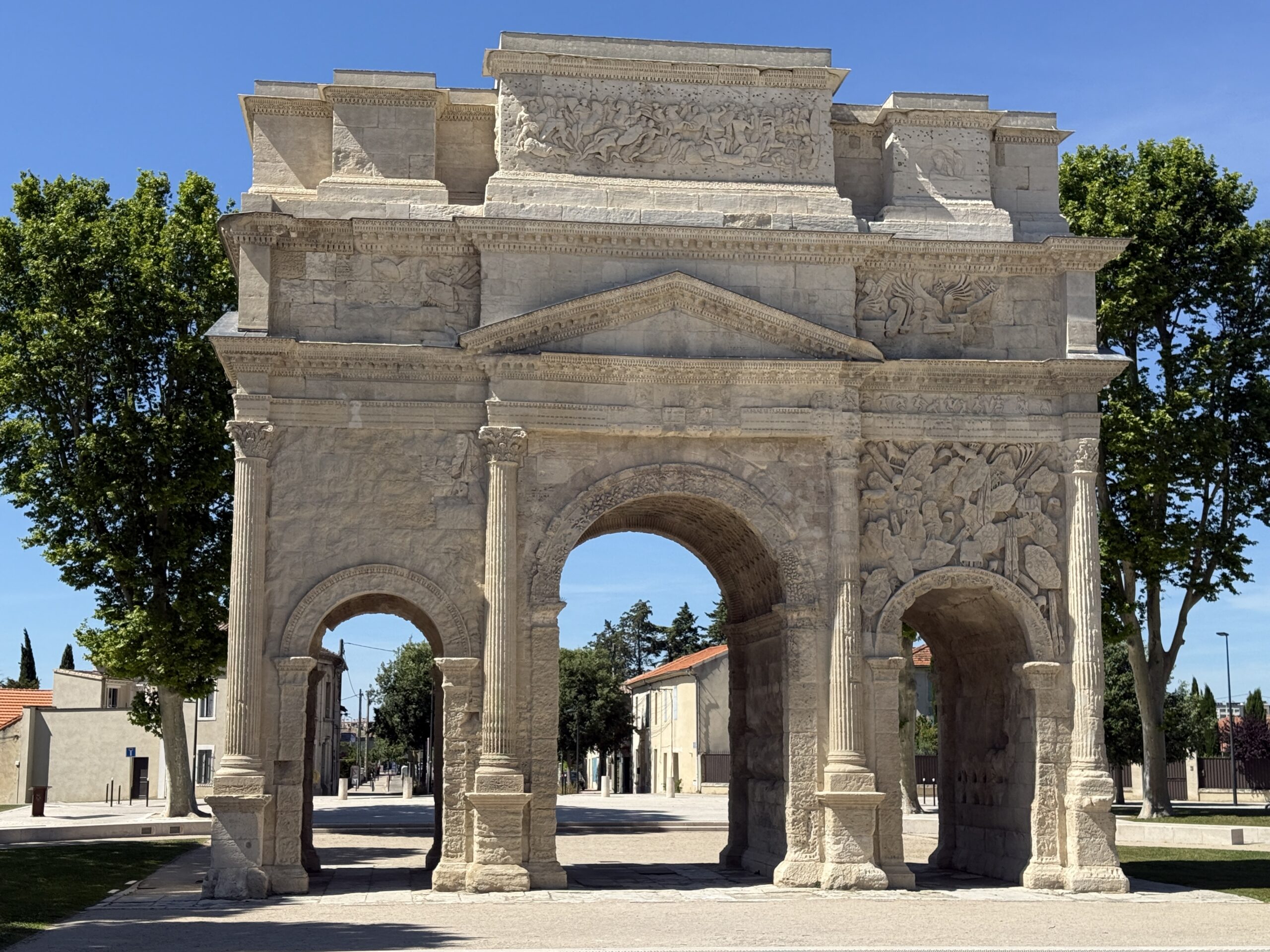
We drove out to Orange for their market day, the first of many such excursions we plan over the next weeks using Marseille as a base for exploring the villages and valleys. I bought a truffle for 3 euros. Orange has one of the oldest stages in the world, built in the 1st century, and the original of the Arc de Triomphe, dating from 19 CE, 2006 years ago.


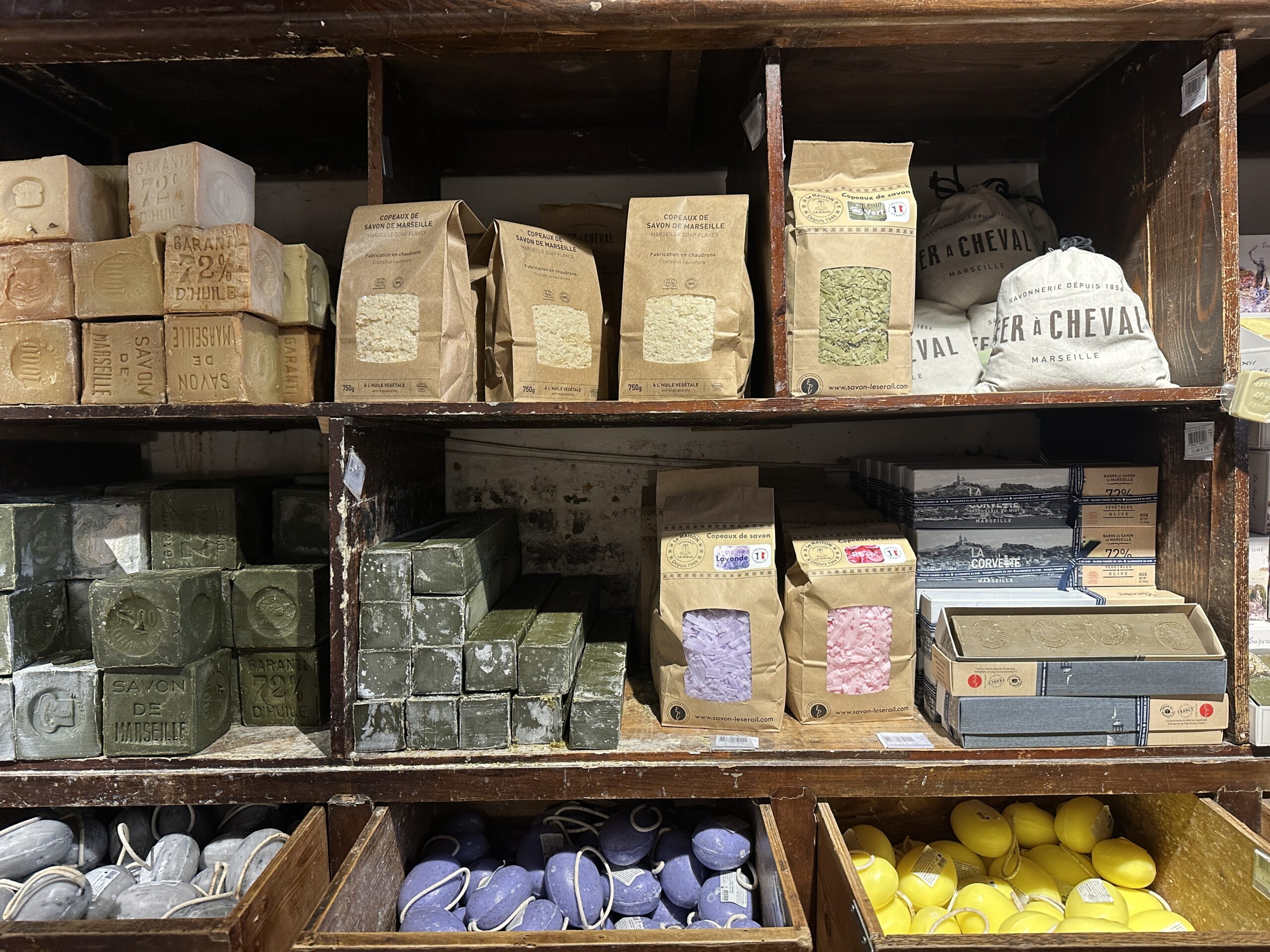
Marseille’s famous olive soap