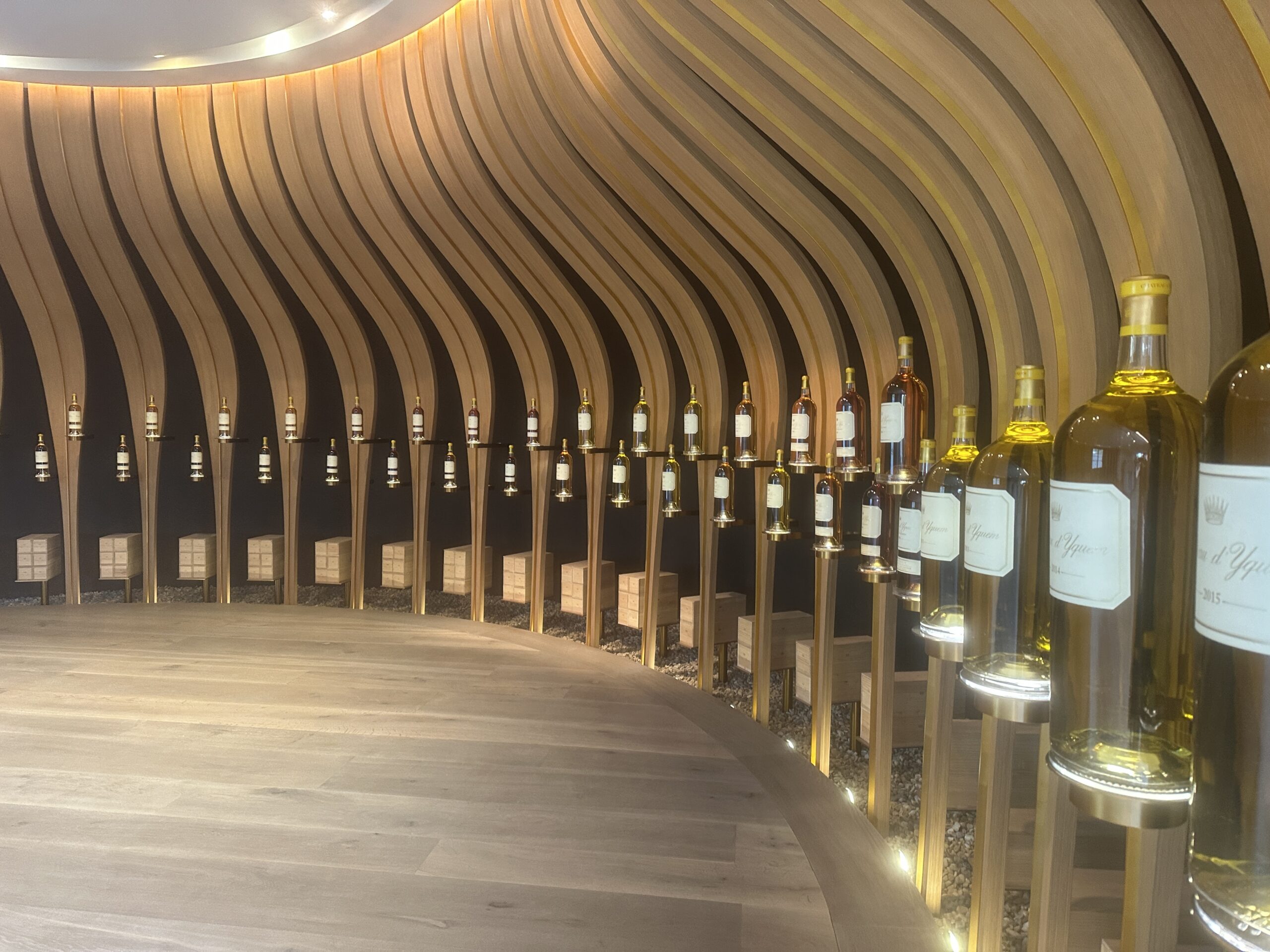
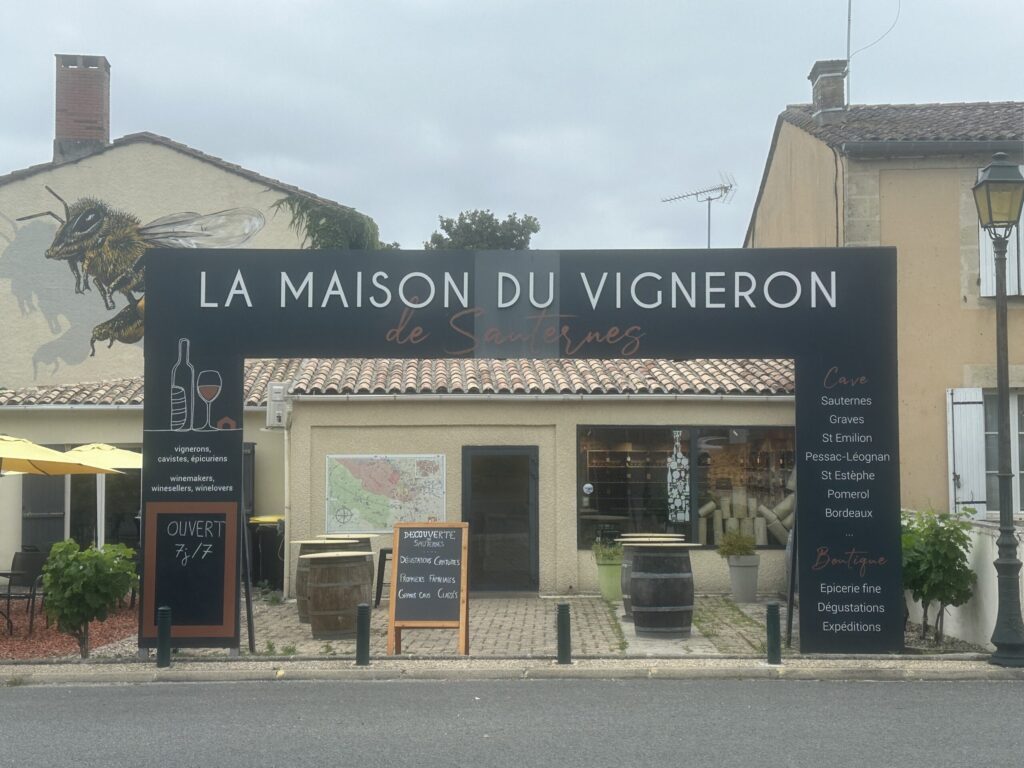
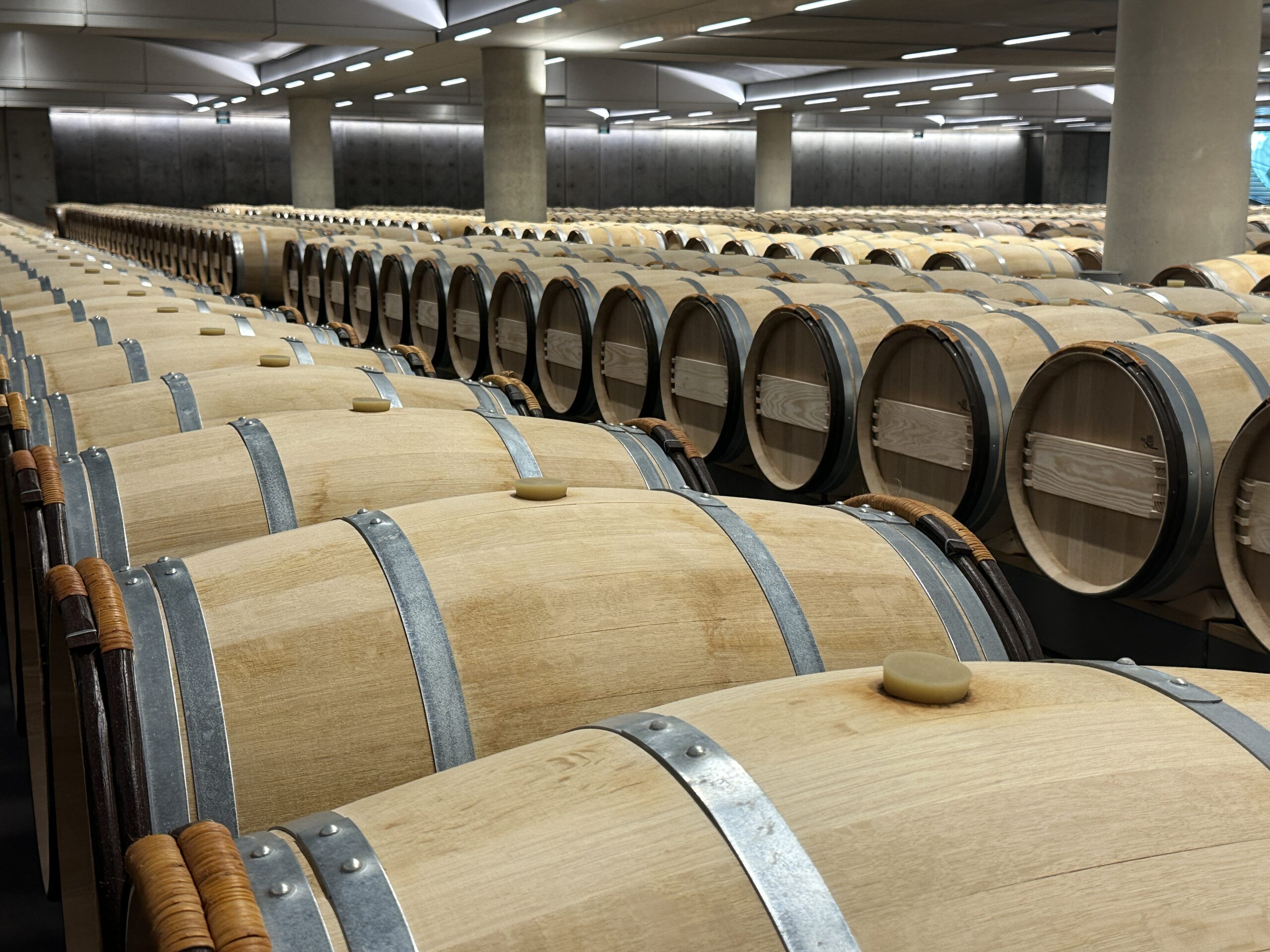
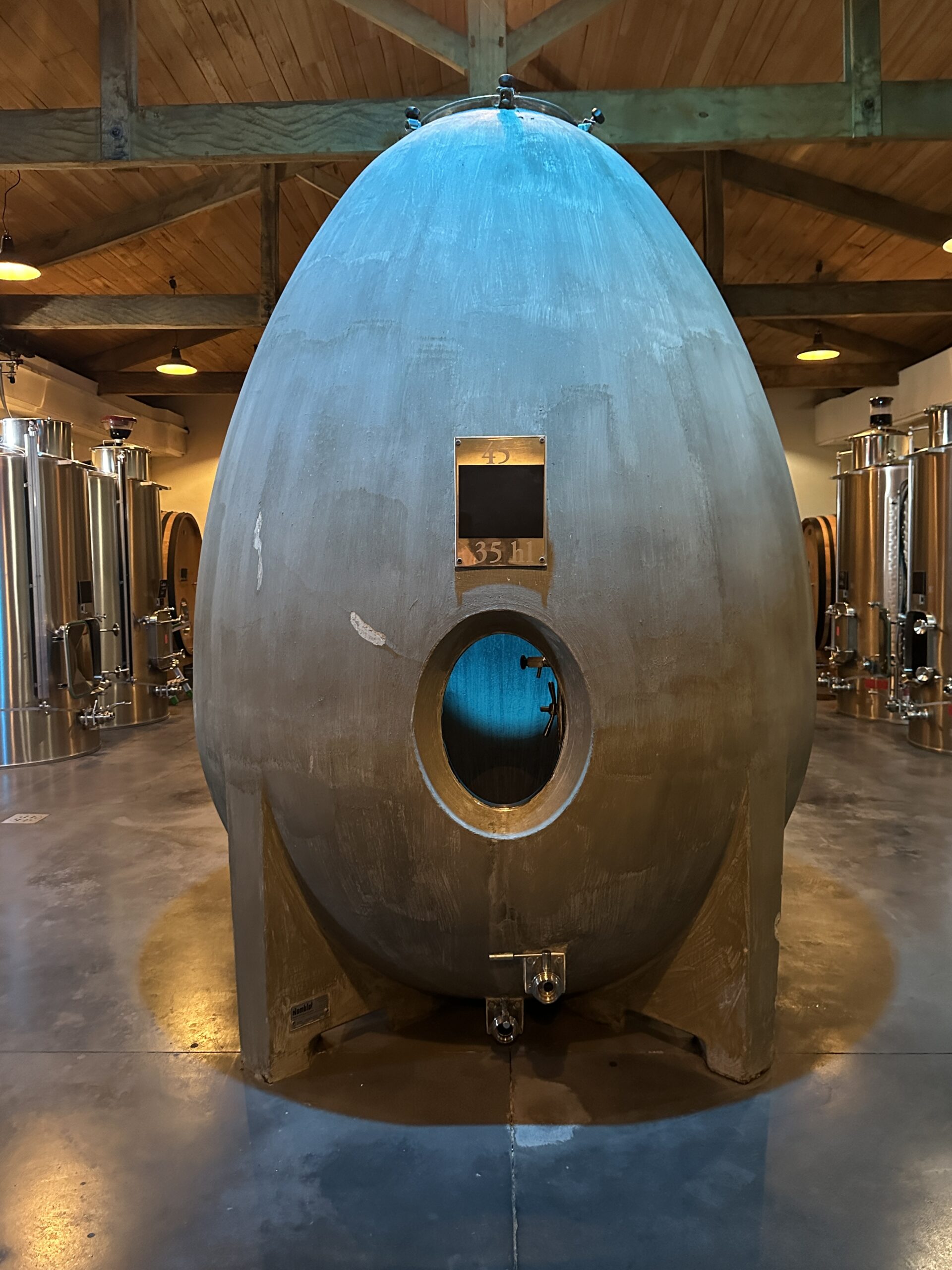
We had an extra day before we took the bullet train to Paris so we went to the extraordinary wine region called Sauterne that is famous for sweet dessert wines. The most famous chateau there is Yquem. It doesn’t take long at their opulent facility to understand that this is what success looks like in the wine business. We declined the €90 tasting and went to a wine shop in the middle of the small town.
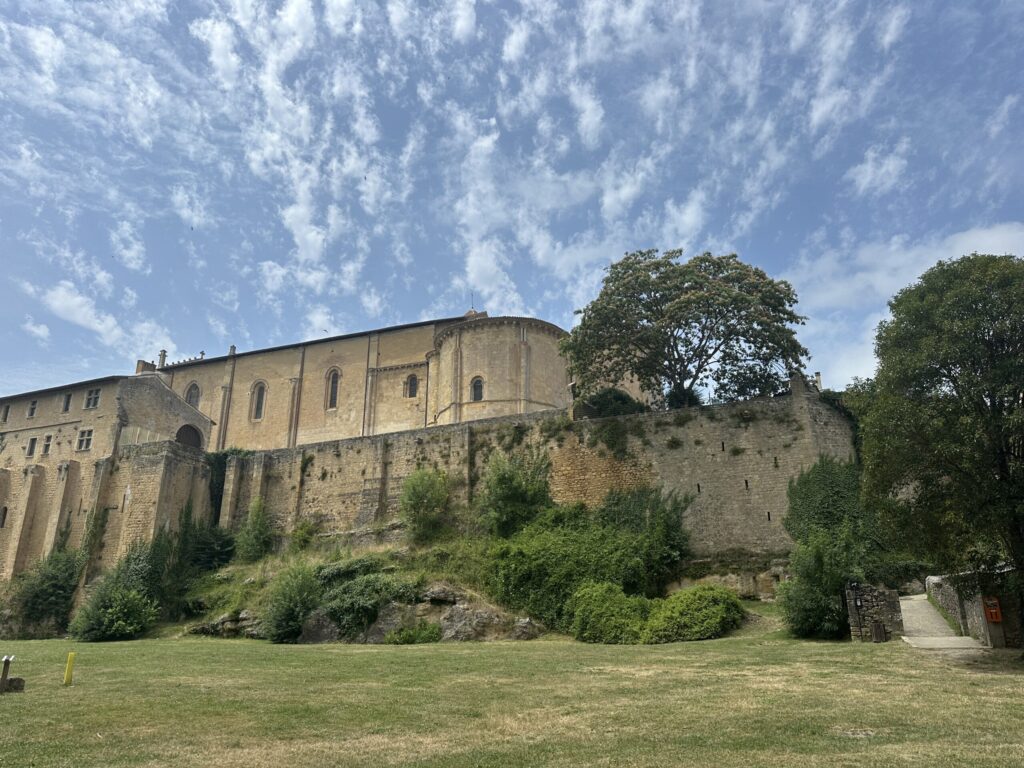
A nearby town named Saint-Macaire caught our eye and we visitied its medieval church and central square. This town also got rich from wine but in the intervening centuries, its success is now a memory and a sweet old church.
Paris Chess Scene
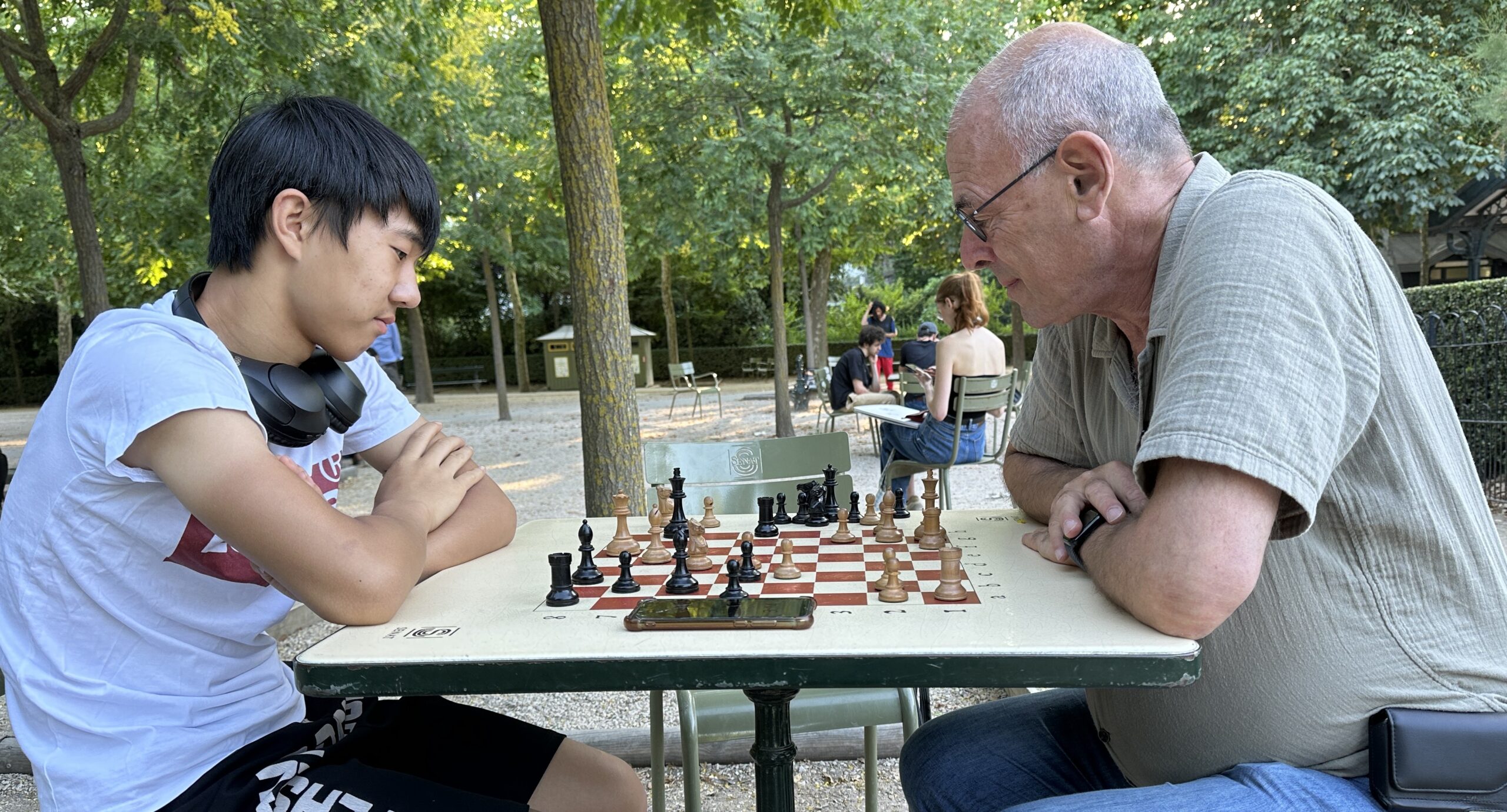
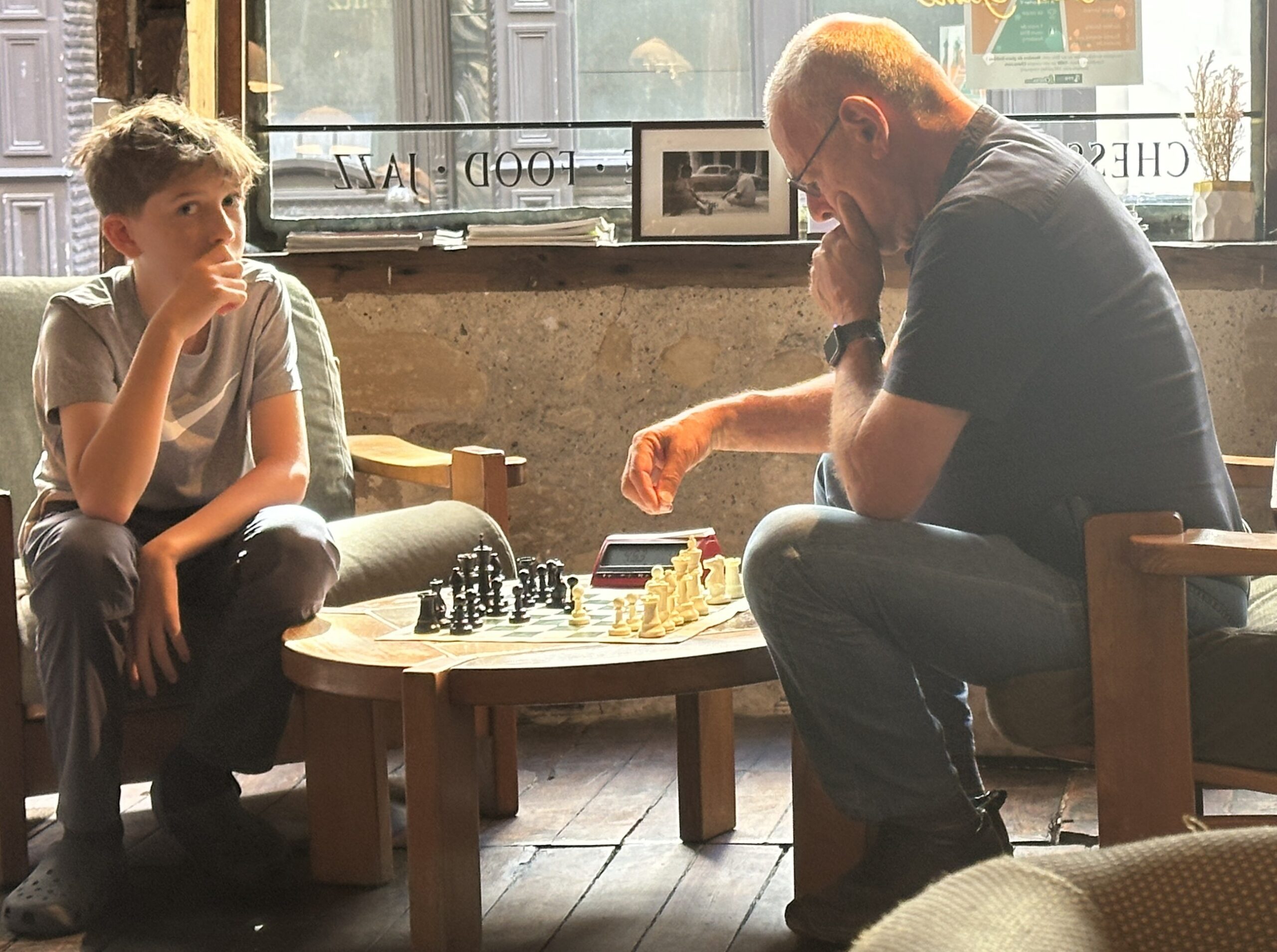
The first shot is from the tables at the Luxemburg Gardens, which resembles Washington Square without the hustlers. It’s a beautiful setting with five or six tables and a crowd around each. You have to wait quite a while for a game and then if you lose, you wait again.
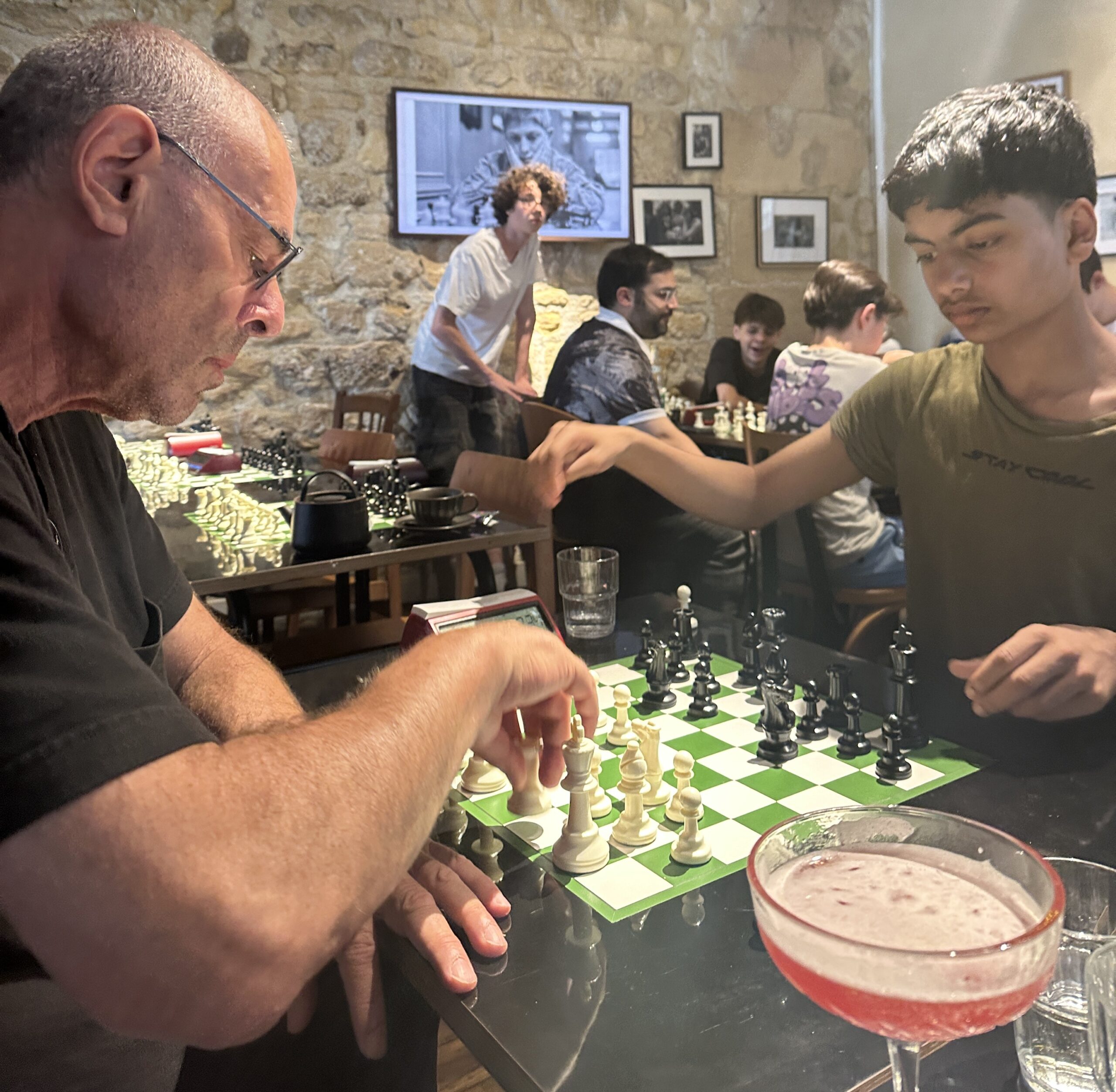
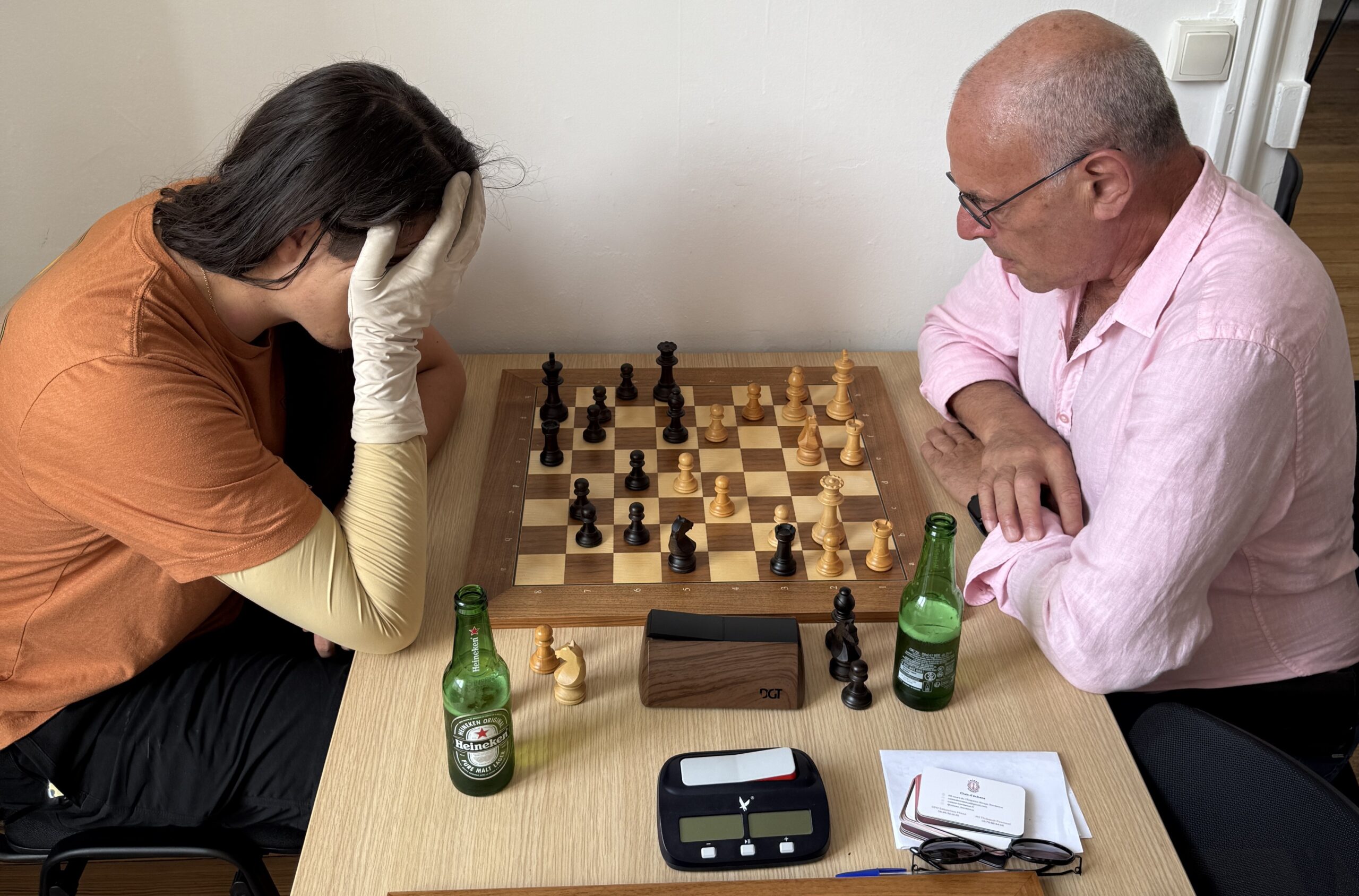
The second and third are from the Blitz Society, which is a chess bar. There are plenty of sets and clocks so you don’t’ have to wait but the players aren’t as strong, or at least the ones I met weren’t as scary as the “kings of the hill” in the park.
We’re going to wrap the blog up here, as we’re taking the plane the day after tomorrow. See yaz all soon!
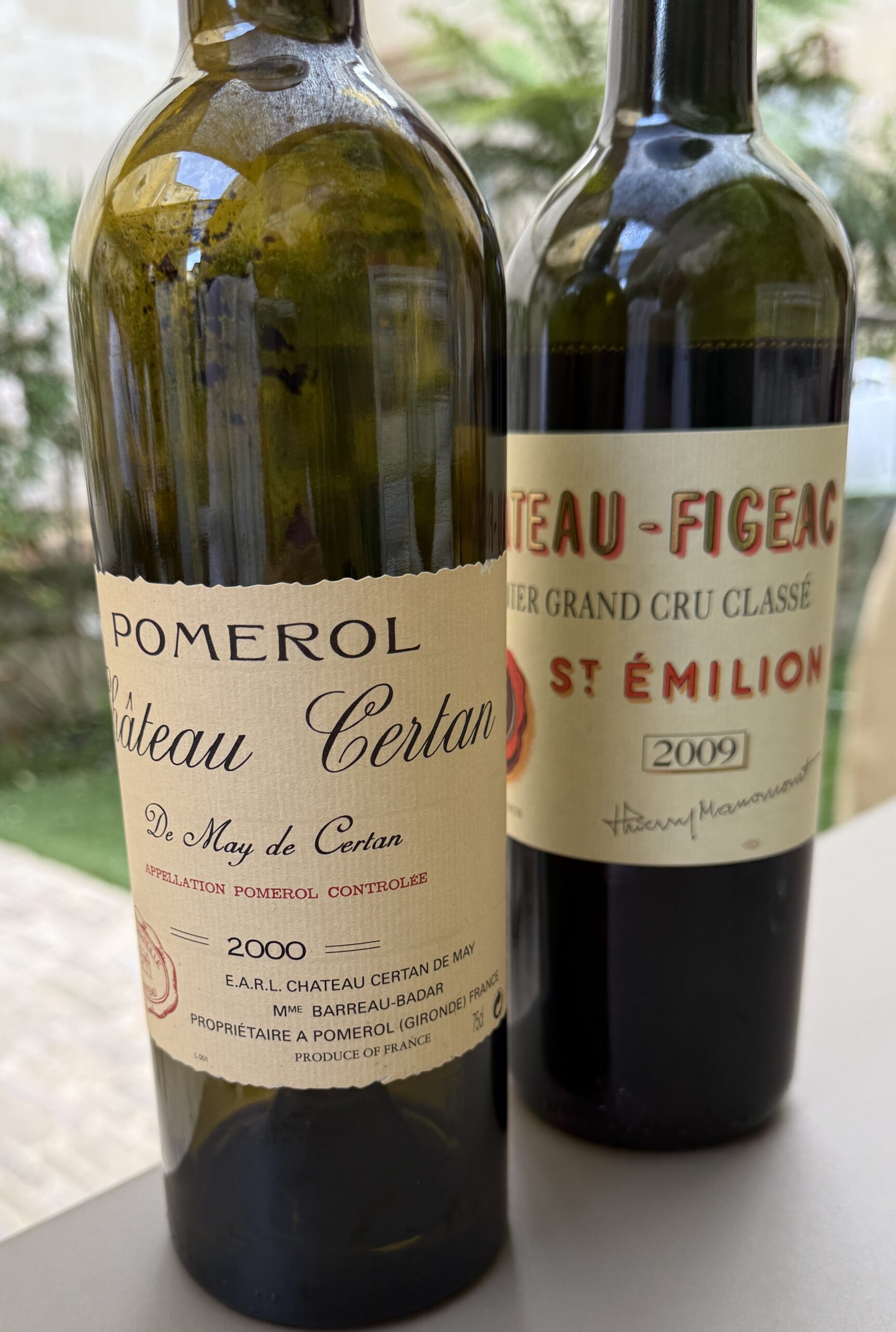
We arrived in this grape farming community that was planted by Romans almost 2000 years ago in the evening, and not being hungry, set out to sample some of the famous wares. You know, the stuff that Napa imitates? Well, this is the original item, the stuff that started world trade. The very local Figeac was a treasure from a great year while the Certan from nearby Pomerol was amazing for 25 years old.
Les Sources de Caudalie
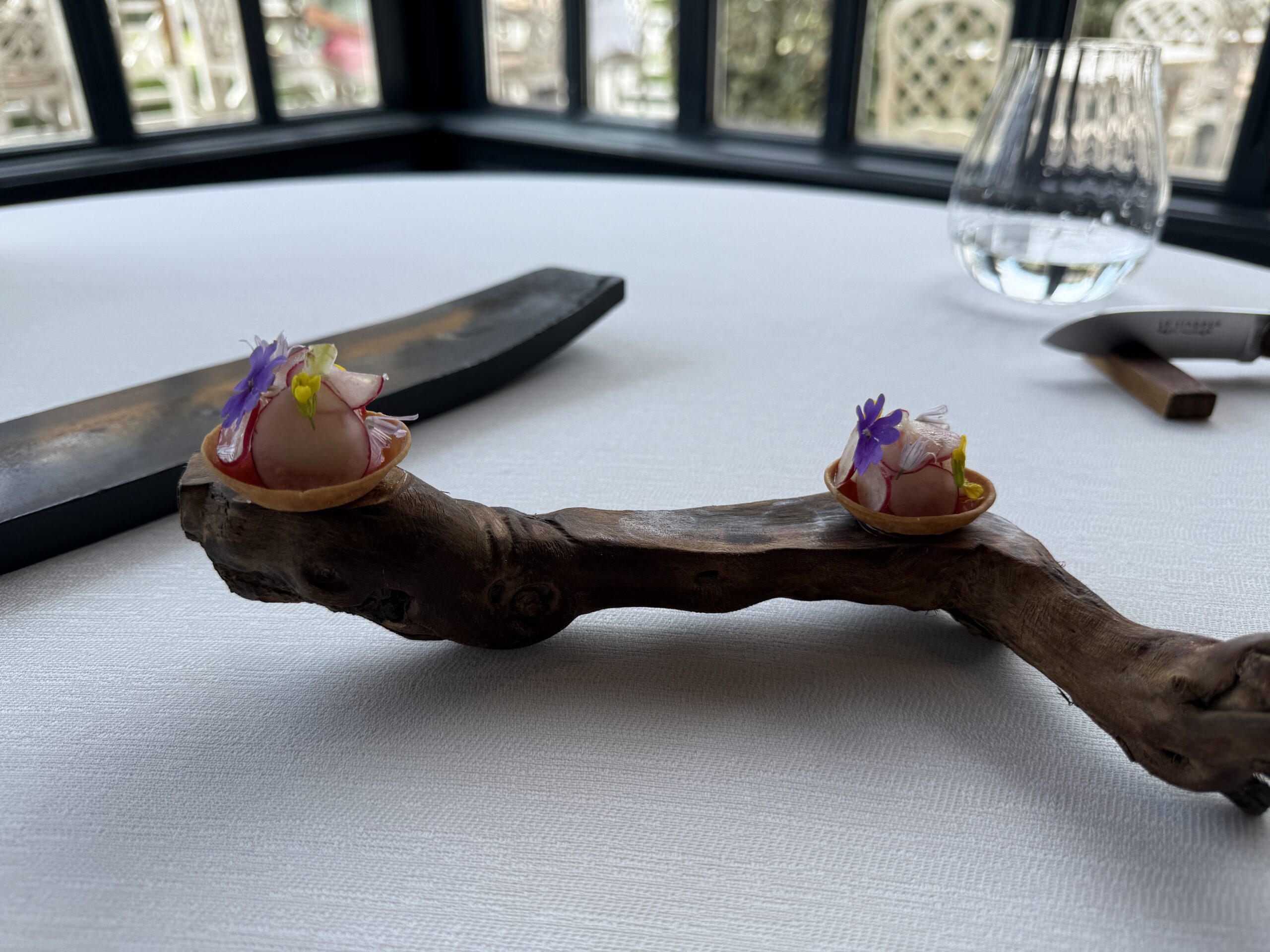
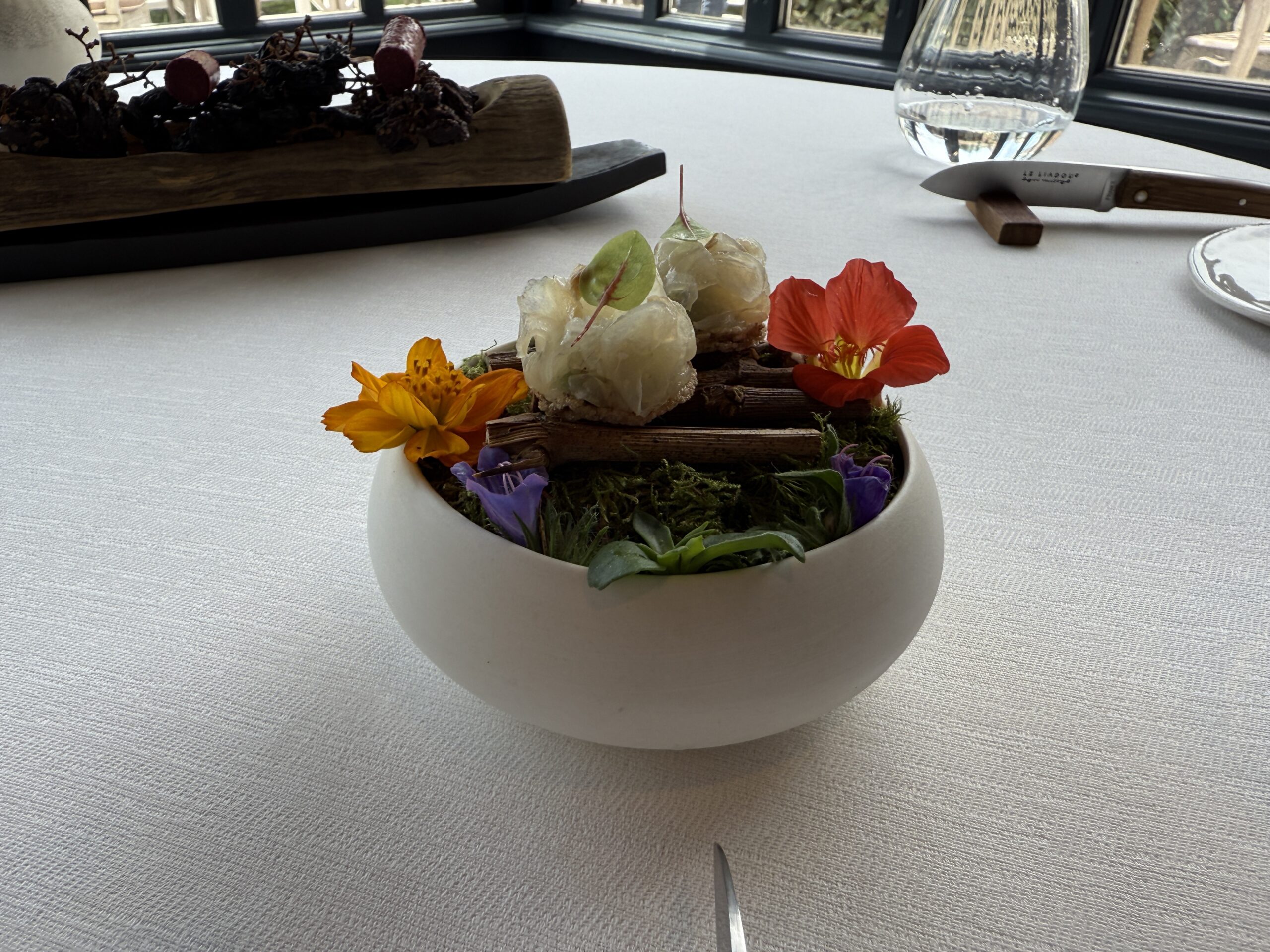
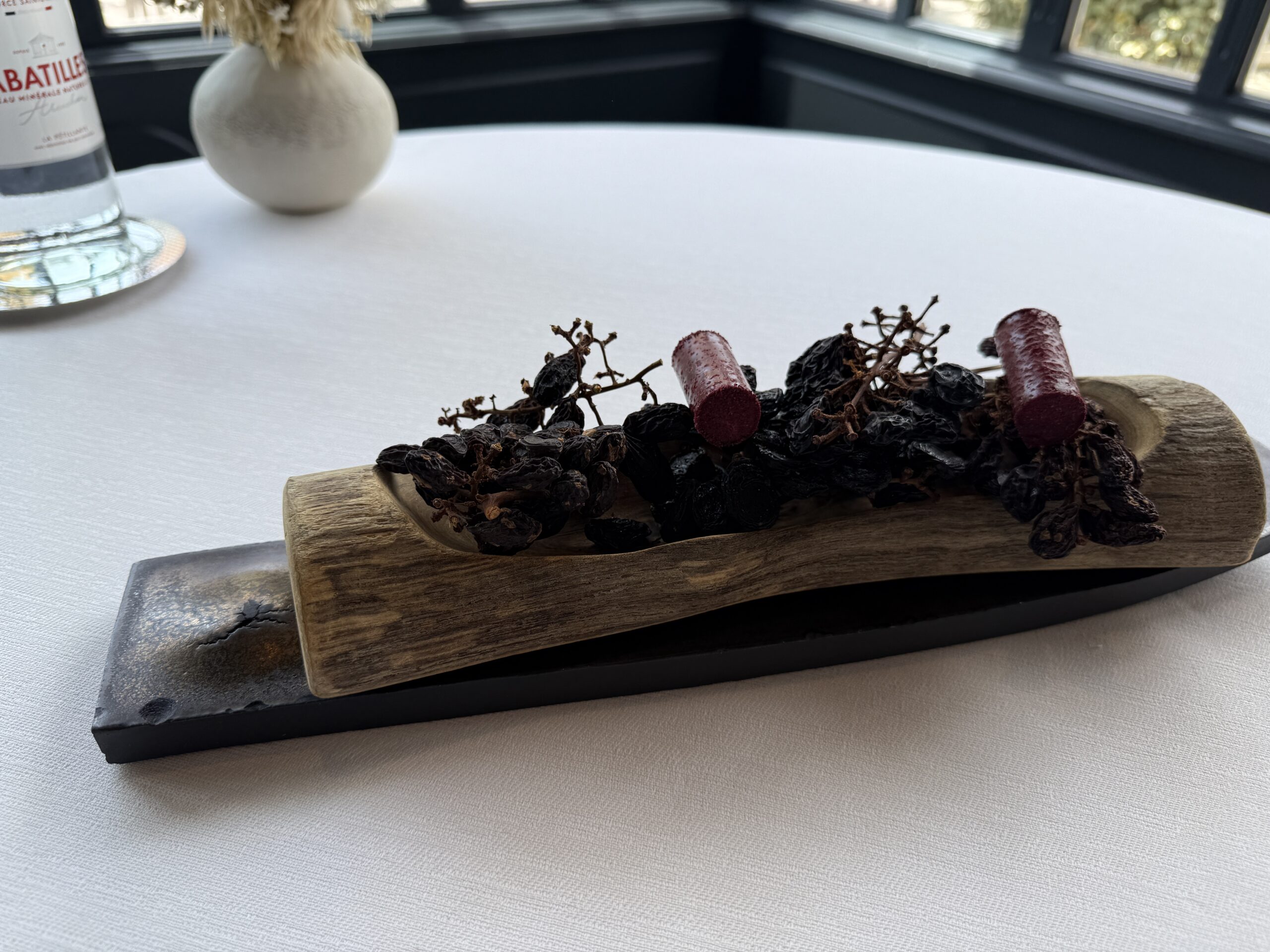
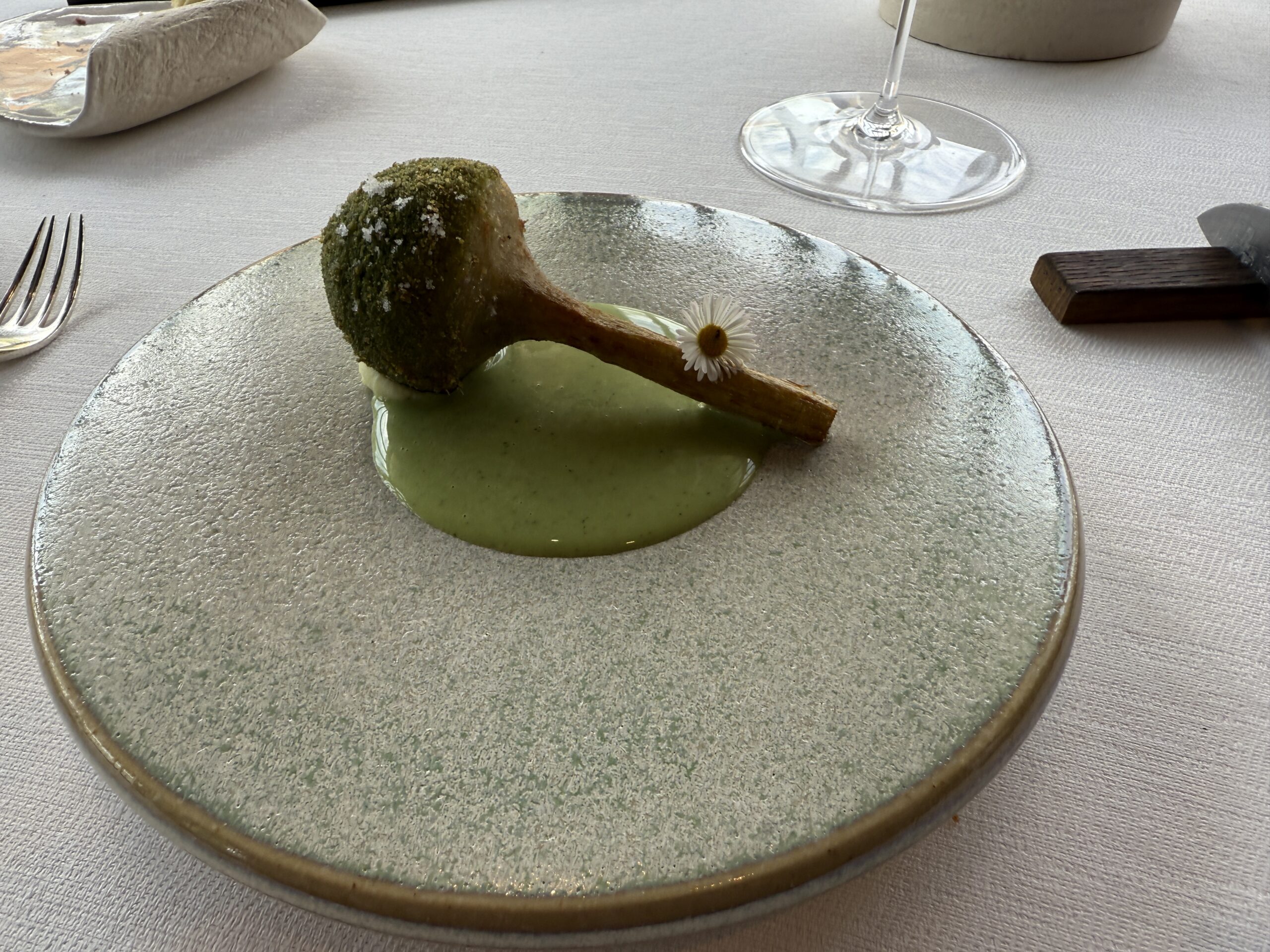
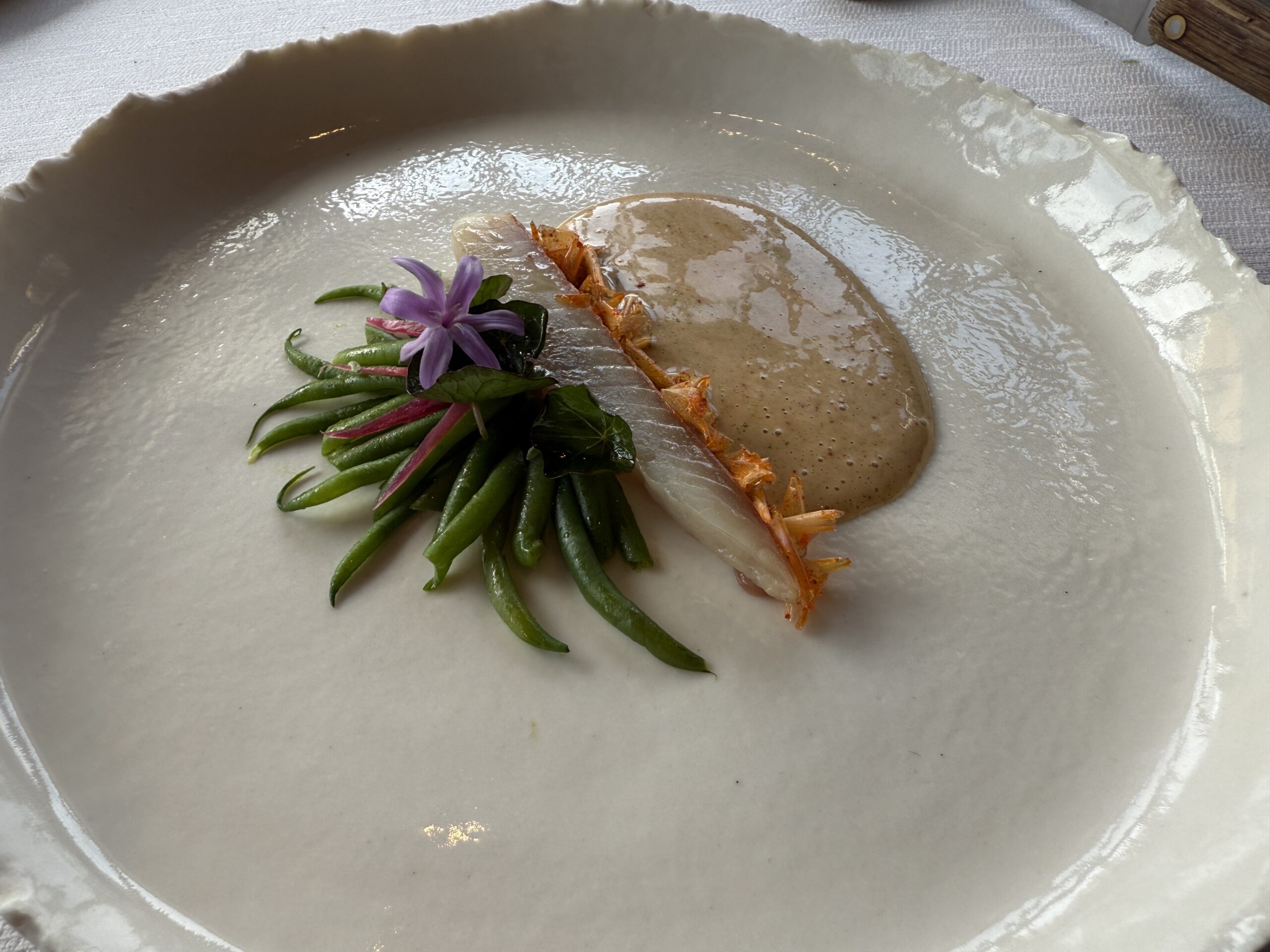
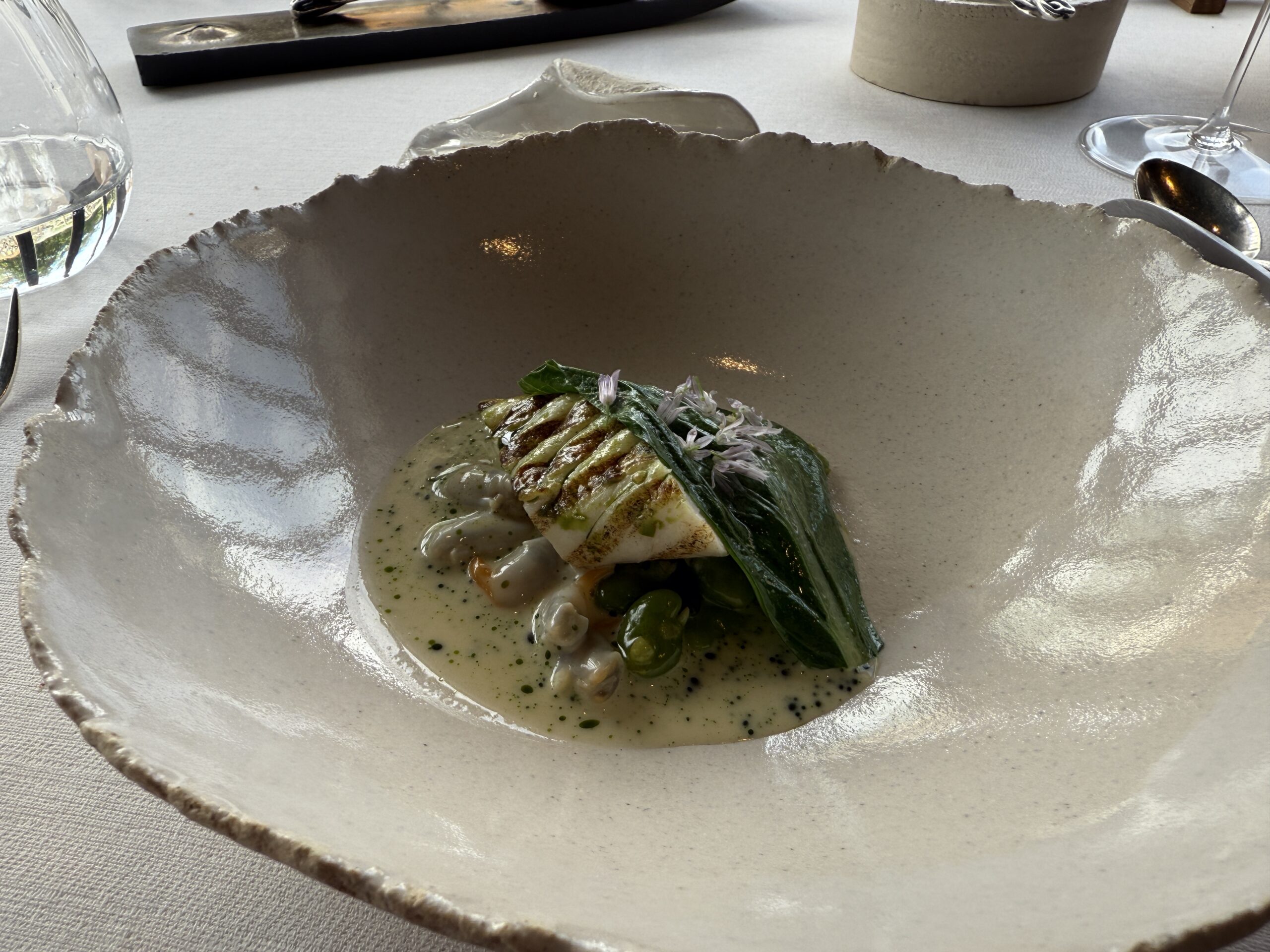
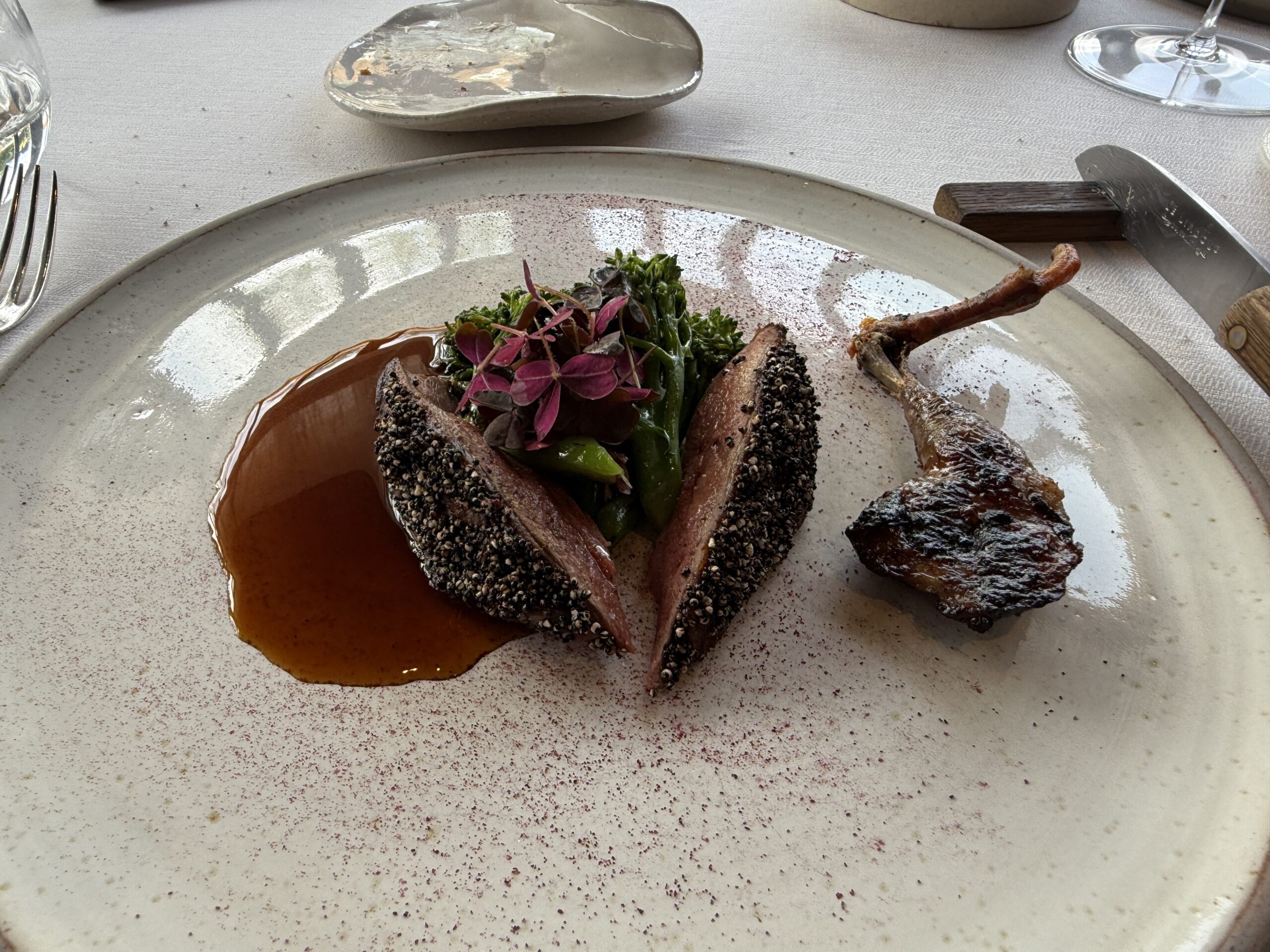
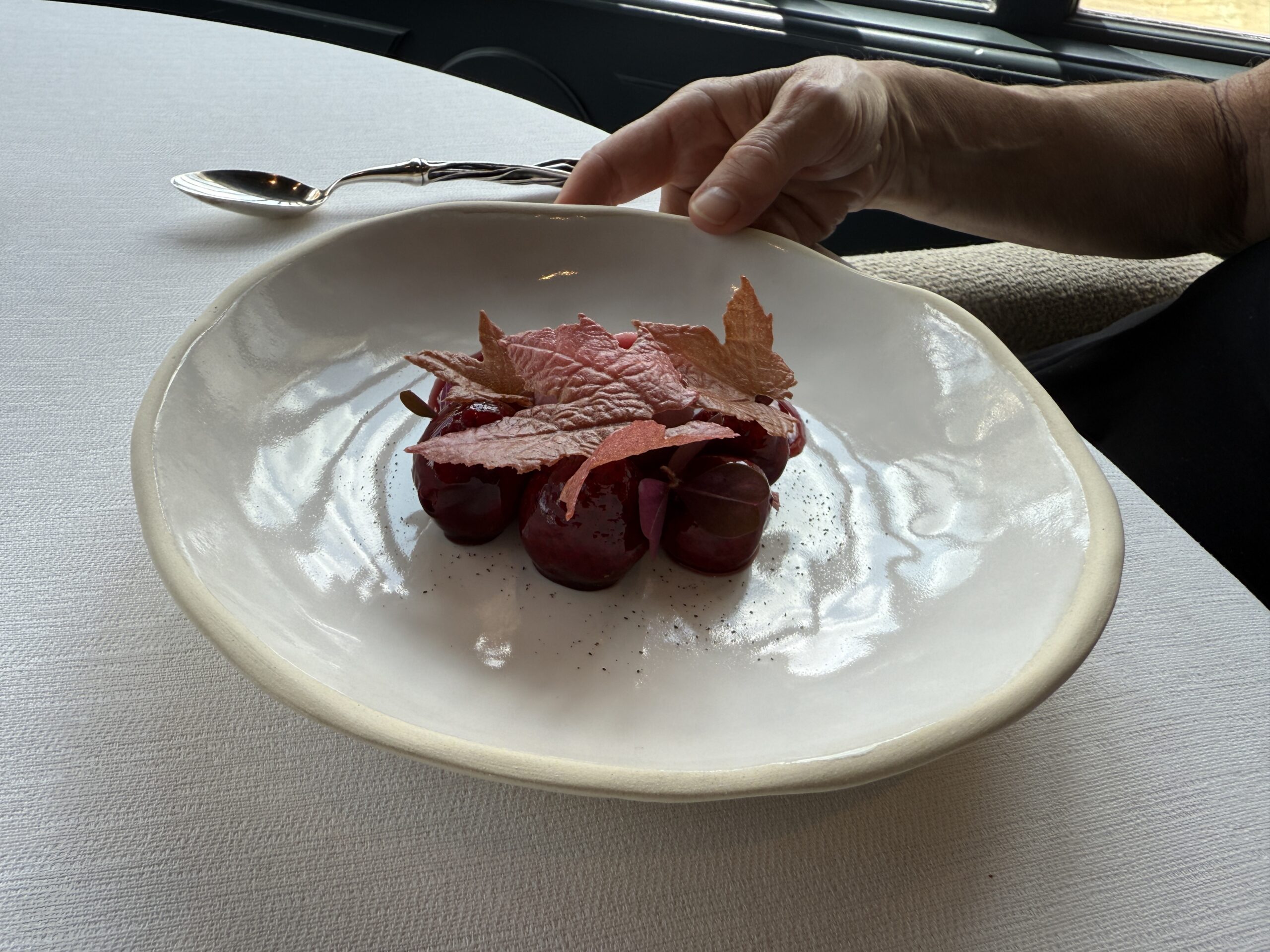
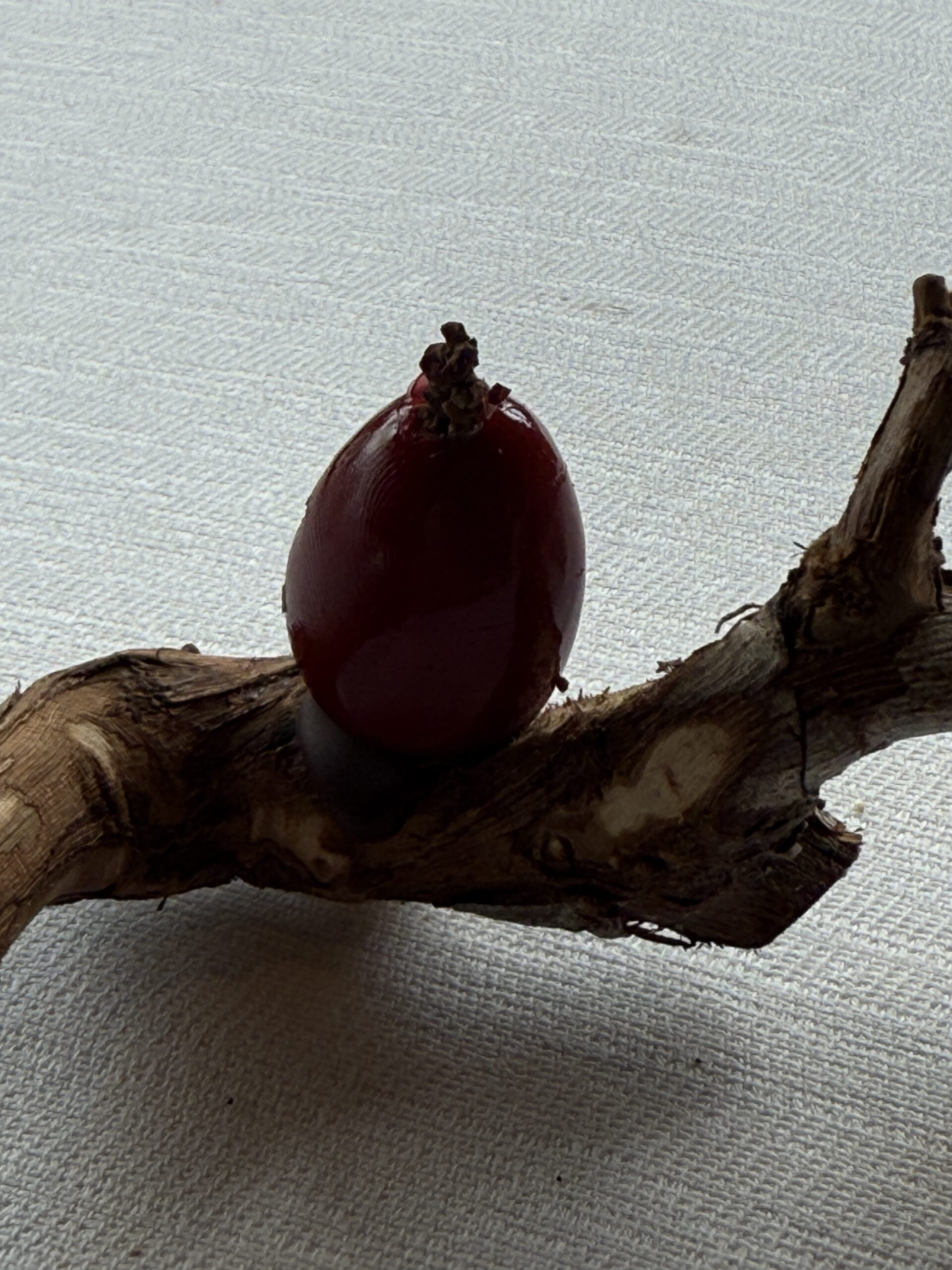
It wasn’t until the next day that we had our first sample of what Michelin gives two stars here. We tend to do this for lunch with moderate portions of wine as it’s cheaper and better for digestion.
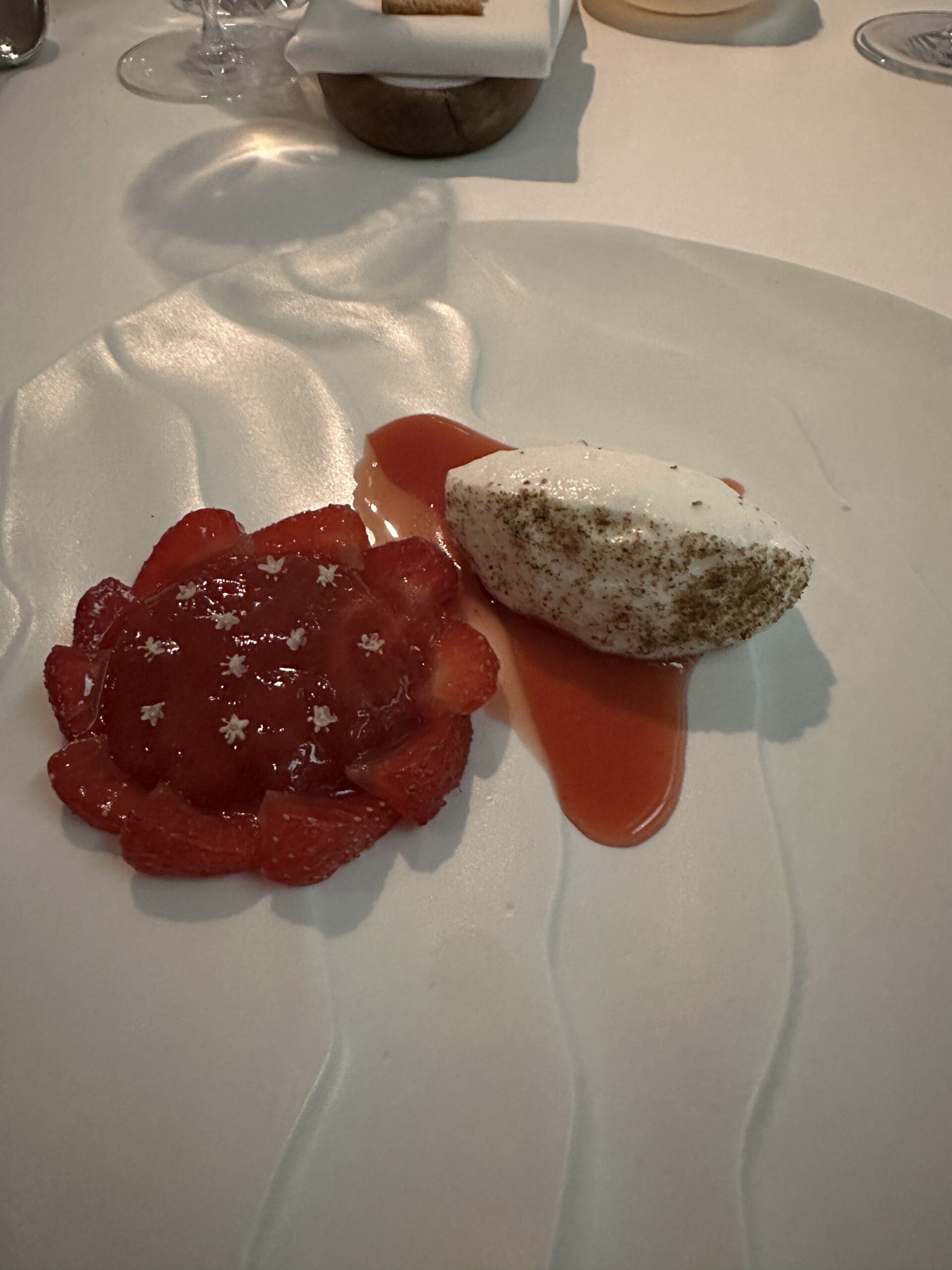
Mysterious appie #1Mysterious appie #2Looks like corks, right?ArtichokeMulletFish courseMeat course: squabStrawberriesnot a grape
The Town
Bordeaux has been around for over 2000 years and making wine for most of that.
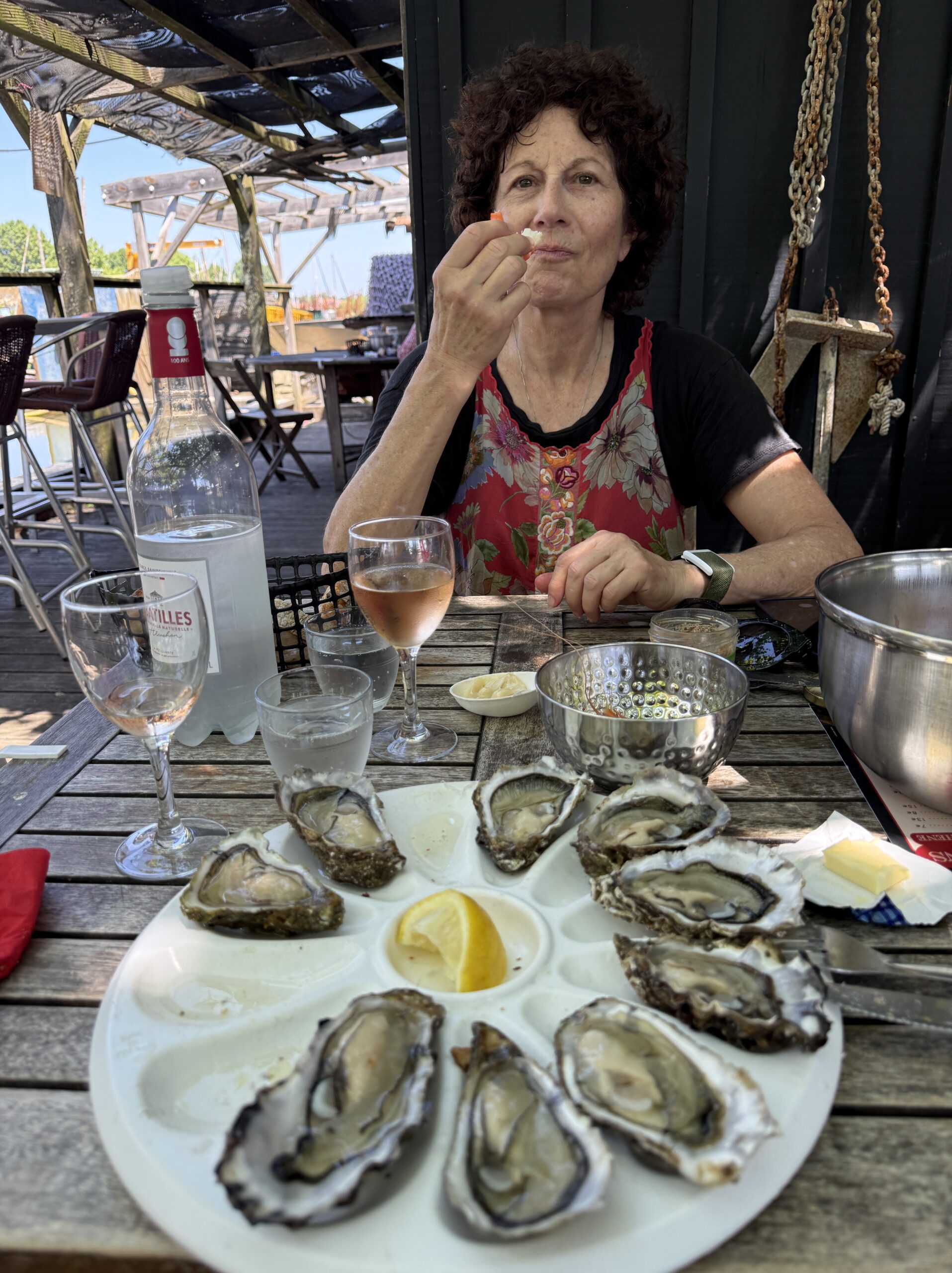
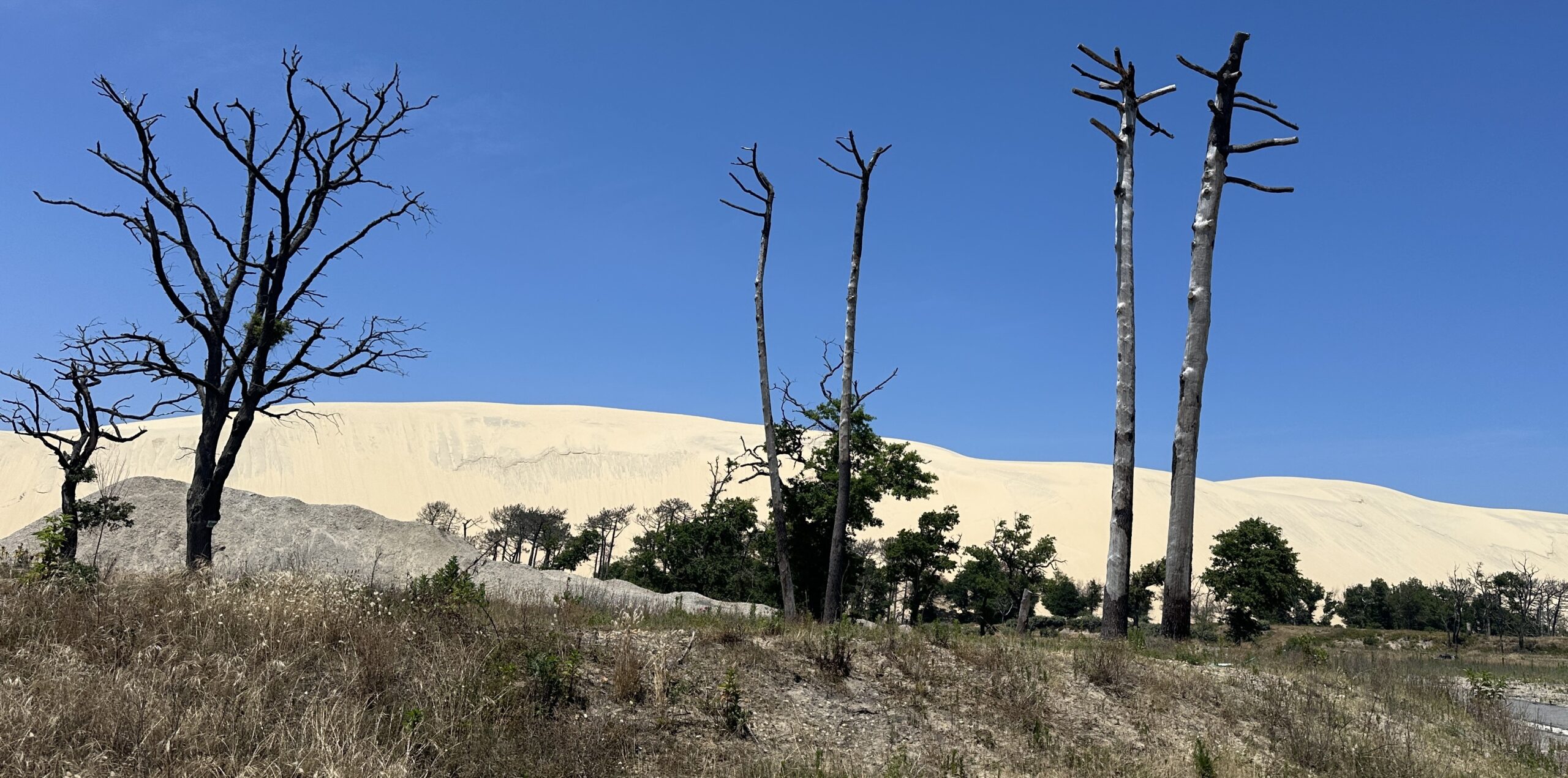
We drove out to Arcachon on the Atlantic coast and enjoyed their oysters with local rosé. The fish shack reminded me of Hog Island and of lobster shacks in Maine. The wow attraction in the area is a huge sand dune.
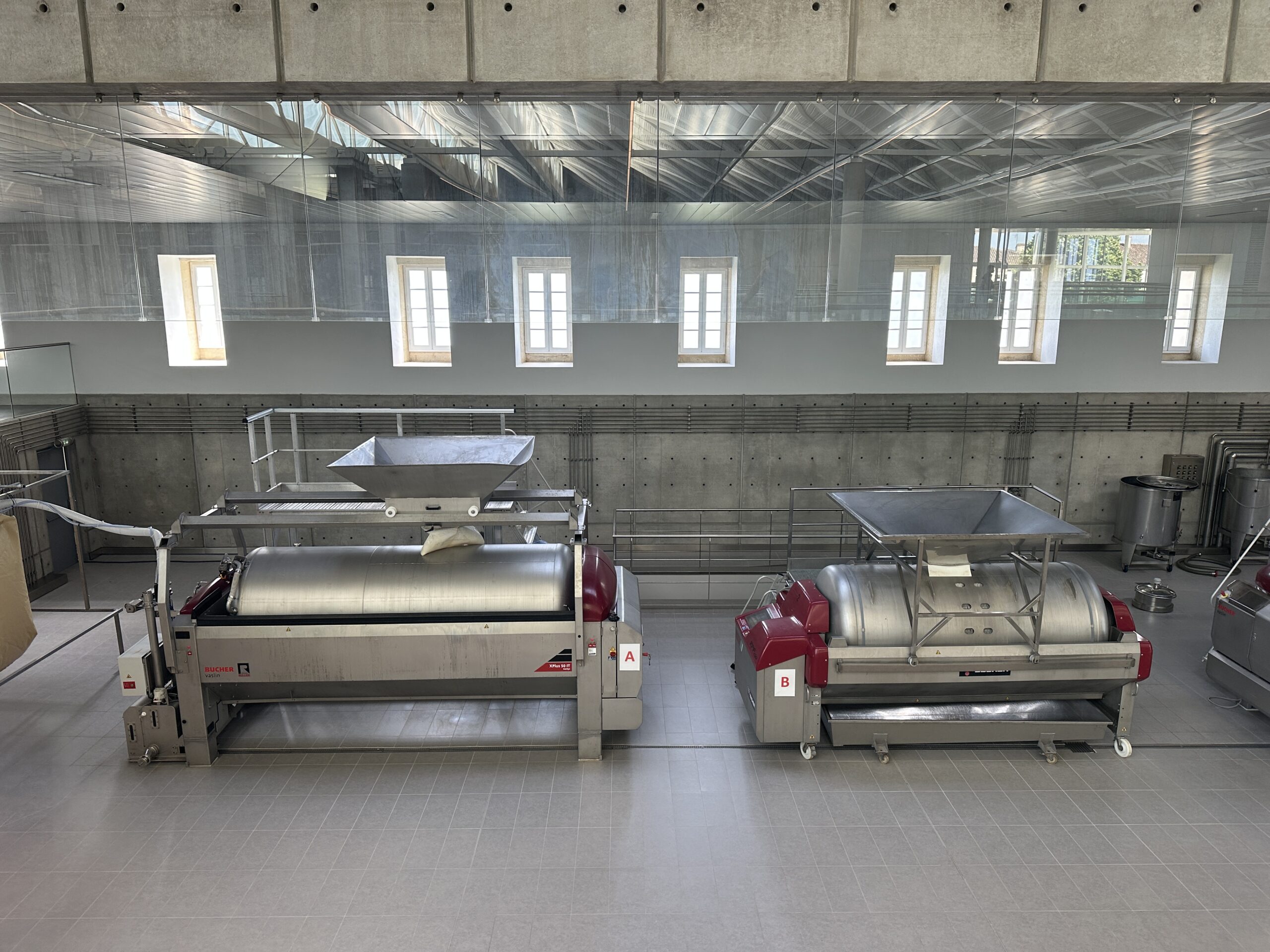
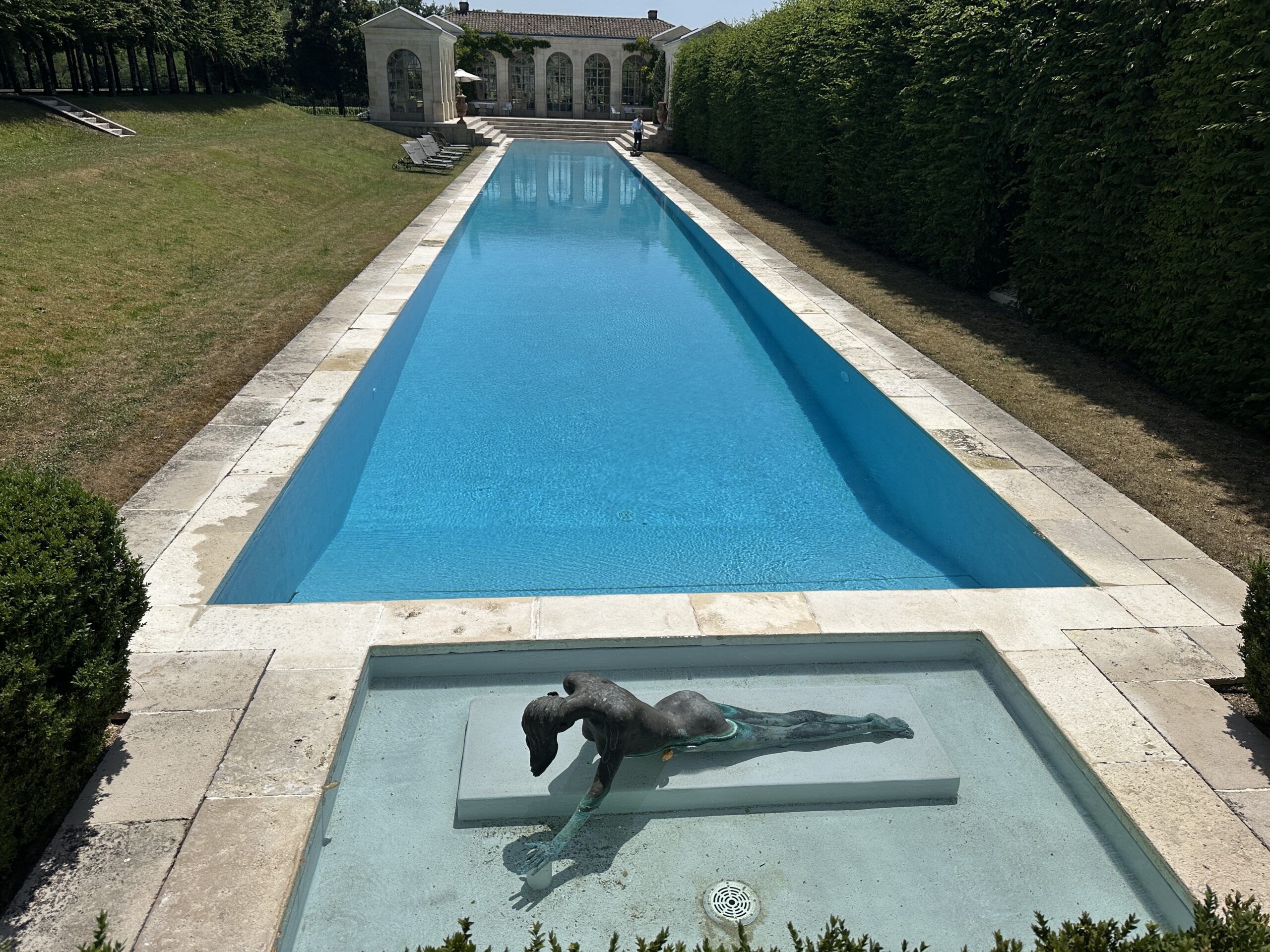
On Friday, we had two wine tastings. Chateau Lynch-Bages is a new facility with capacity to produce 1,500,000 bottles per year. It’s very industrial in scale. Chateau du Tertre is sort of the opposite, and would be homey and family oriented but the succession of owners were fabulously wealthy, and have decorated the place with extravagant paintings and sculptures, a 50-meter swimming pool, and meanwhile producing 200,000 bottles per year.
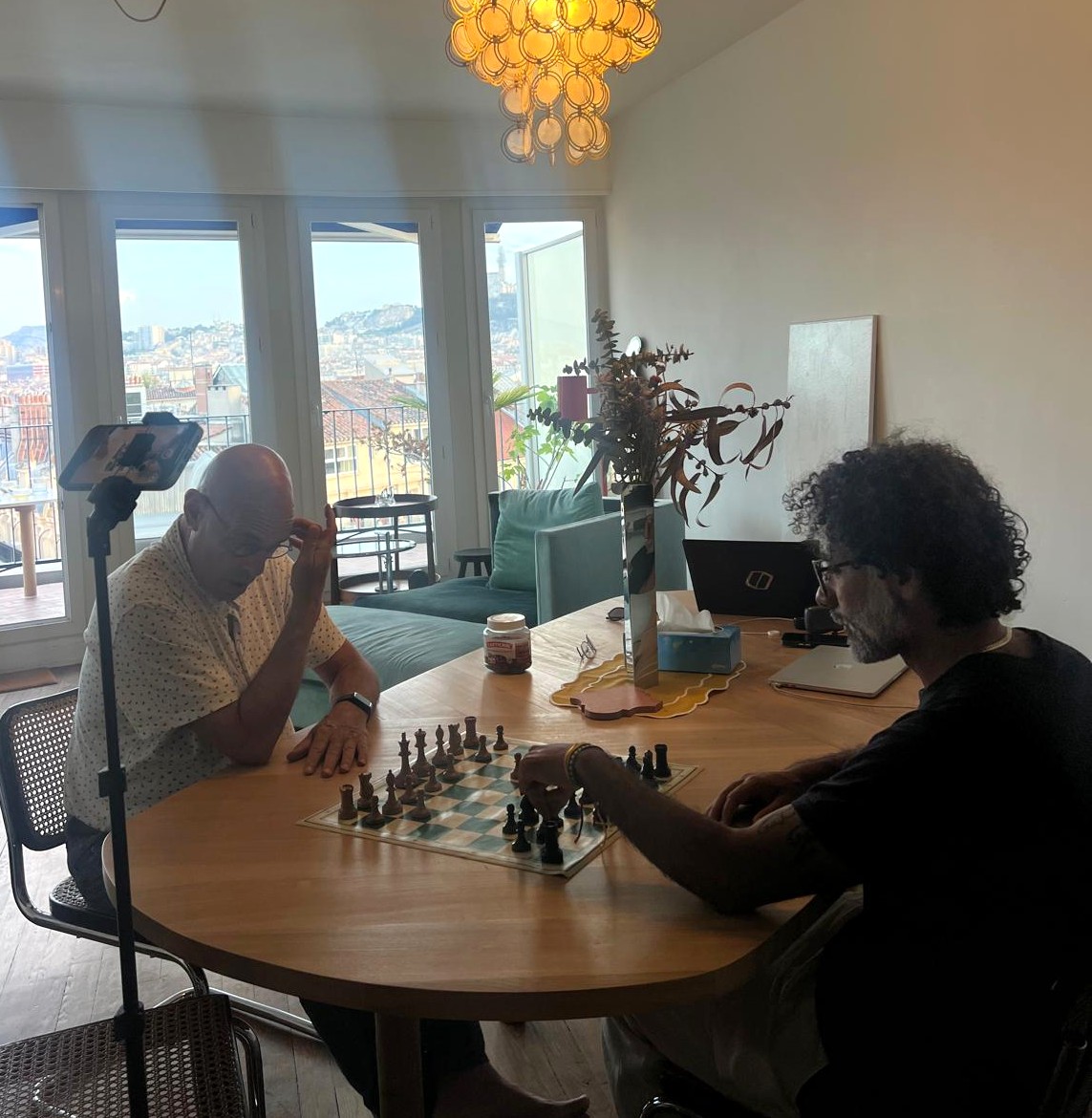
Now we can’t have you wondering if I found the chess club so I must mention its charm. Run by a Grandmaster named Sebastian Faze who is head of the French team and a lovely fellow, the place is active in the community and has a sweet classmates feeling to the group. 5/0 and 3/2 seemed to be the preferred games and I won half or a little better.
Based in L’Isle-sur-la-Sorgue, our first stop was Saint-Remy. After crêpes for lunch we saw a museum show about David Bowie that featured his every possible connection with French celebrities. It was quaint but nostalgic for me anyway.
Out of professional curiosity, we looked in on the asylum where Van Gogh was a patient for a year in 1889, with their quaint instruments and antique drugs on display. Nice leather doctor bags. Part monastery and part loony bin, the impression one gets is of a bucolic retreat, except for the isolation cell with the straitjacket. One imagines Vincent got good care, sunshine, and honest provincial cuisine. Vincent’s room was utterly recognizable, as are the flowers in the garden. He painted his famous Irises during his stay.
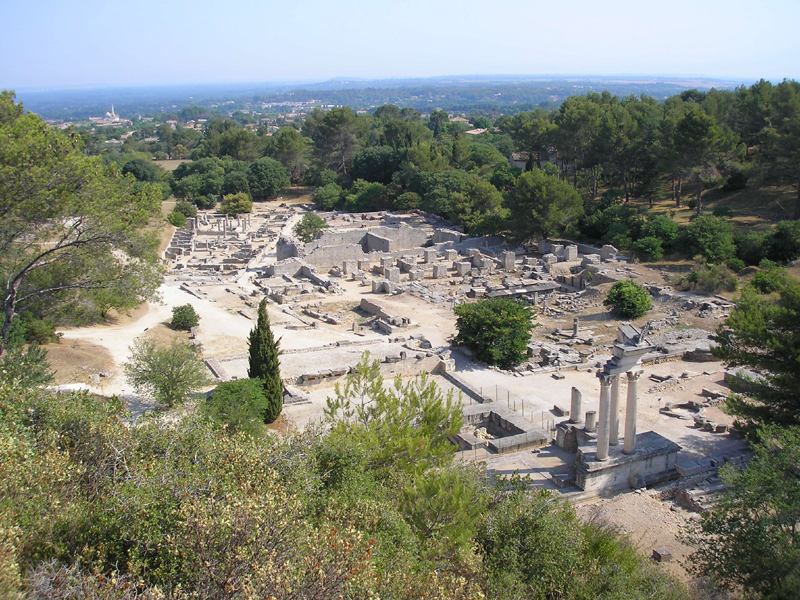
Next, we visited the ancient town of Glanum, only a few klicks down the road.
Only 1/10 of the original town has been revealed, with elaborate plumbing and infrastructure as well as sculptures and artistic remains from 4th c BCE by, in turns, the Celts/Gauls, the Greeks, and the Romans from 49 BCE until it was destroyed by ancestors of Attilla in 260 CE, and abandoned. Evidently the site’s renowned healing spring failed to make much of a defense against the deplorable hordes, and all this only made us worry about the Marines in L.A.
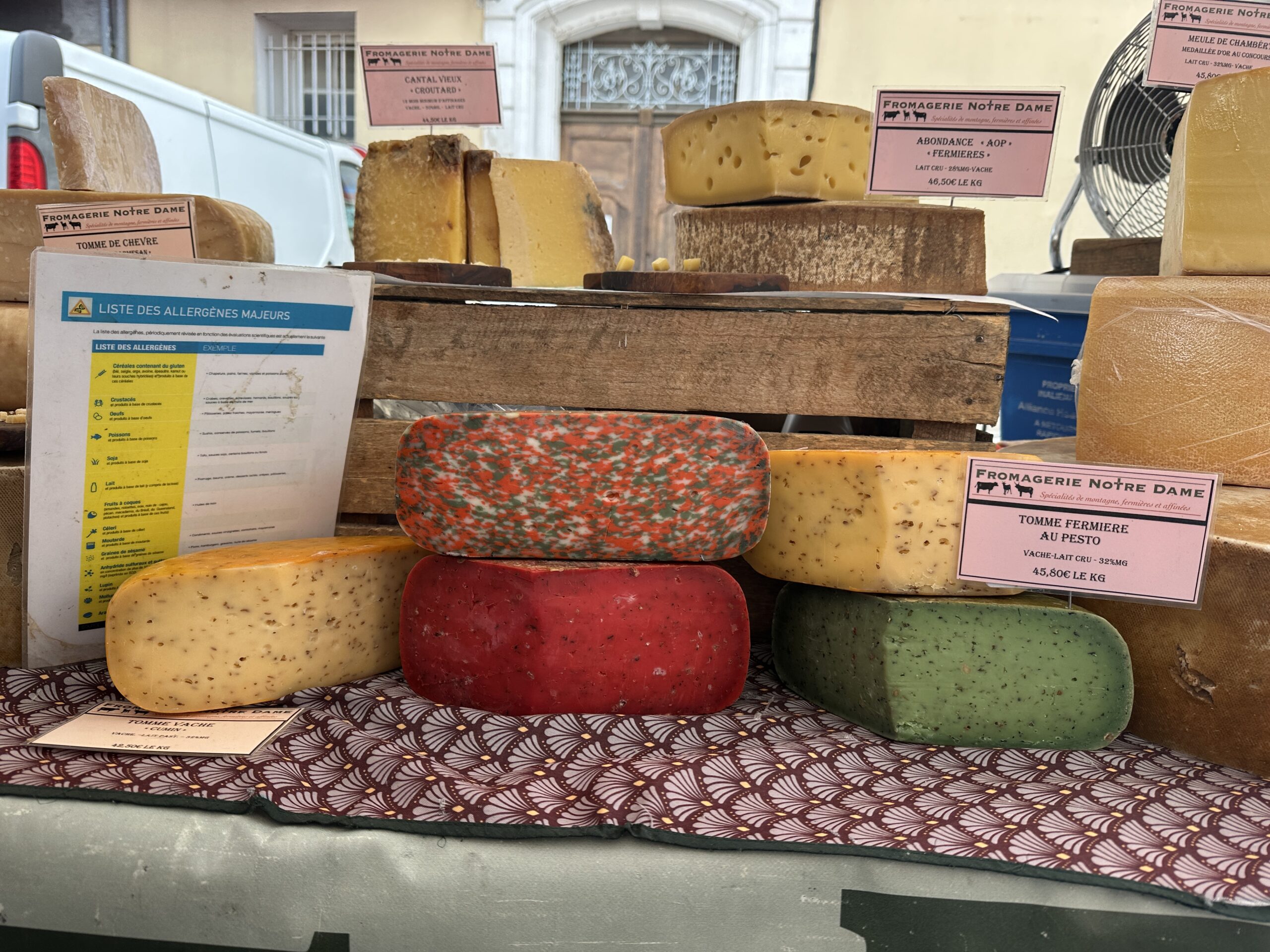
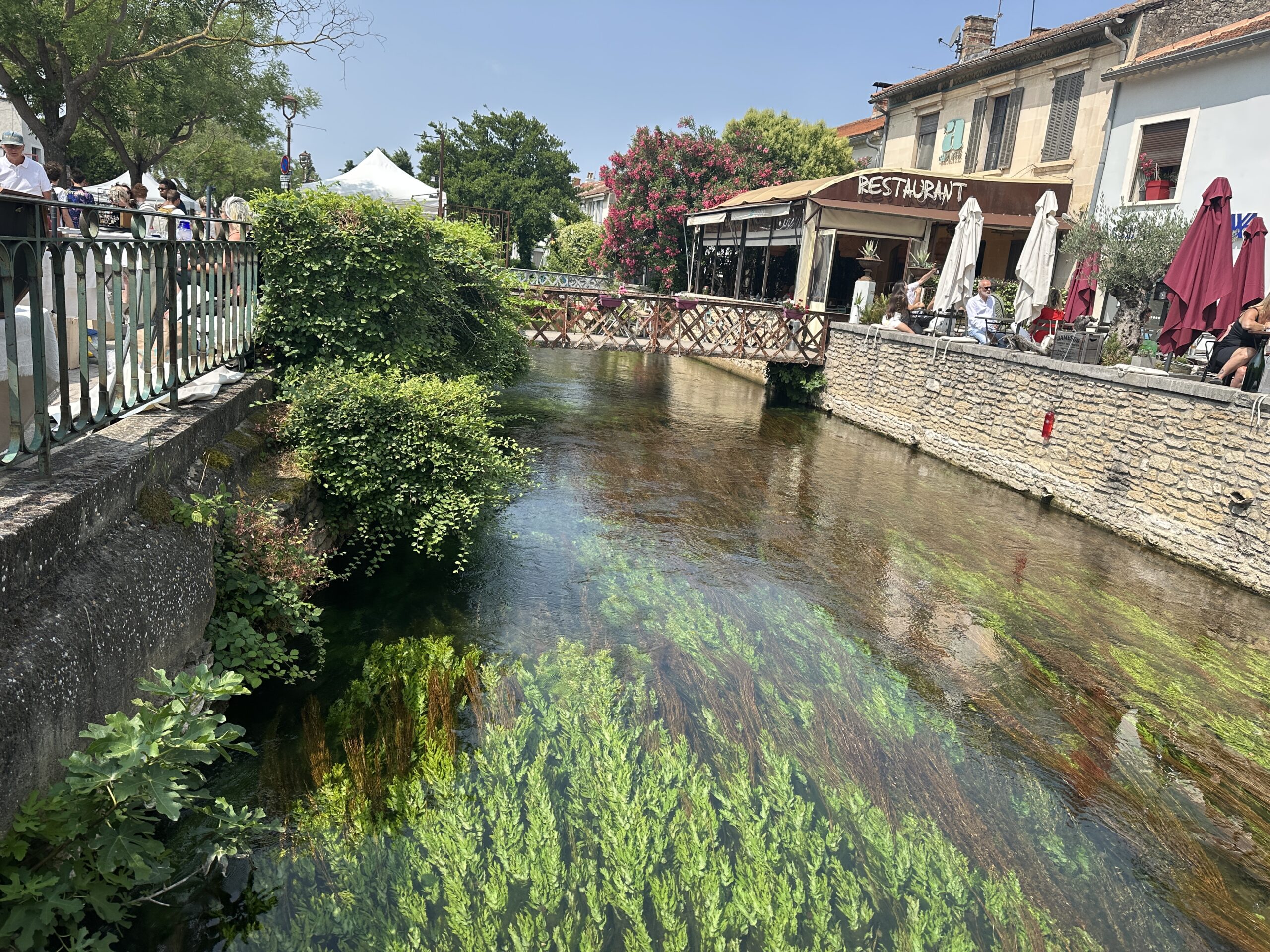
The next day in L’Isle-sur-la-Sorgue was market day, a ton of windy fun. Merch included edibles, wearables, and dining gear, all with a beautiful French twist. It was a very pretty day, but rather than further exhaust ourselves visiting civilizations eradicated by deplorables, we opted to have a quiet time by the hotel pool and then disassemble our edible panoply. We had a fabulous pistachio pate-en-croute from a prize-winning traiteur, cheeses evidently made in flights of fantasy from local institutions, and some palatable Languedoc wine.
We happened to go to Uzès on Whit Monday, whatever that is, but some shops were open, and our new obsession with Aperol Spritz and Pastis was in full swing. Uzès is a little jewel of a town, not too touristy, with 9,000 inhabitants. We went to a medieval garden and towers, which were used as a prison at one point, with graffiti scraped into the wall by 3 prisoners decrying their innocence. It seems their only crime was being poor, in any case.
We have been spoiled thus far, wandering around charming provincial towns of Orange, Avignon, Cassis, Uzès, and the big cities of Marseille and Lyon without feeling like we were really at Epcot. Not so with Arles. Gaggles of 30 visitors wearing headphones connected to their guides’ transmitters clog every adorable pedestrian intersection. We are not judging; we too are visitors. However, we feel more inclined today to sit in a cafe than to ogle ancient ruins. Tomorrow is another day!
Carcassonne
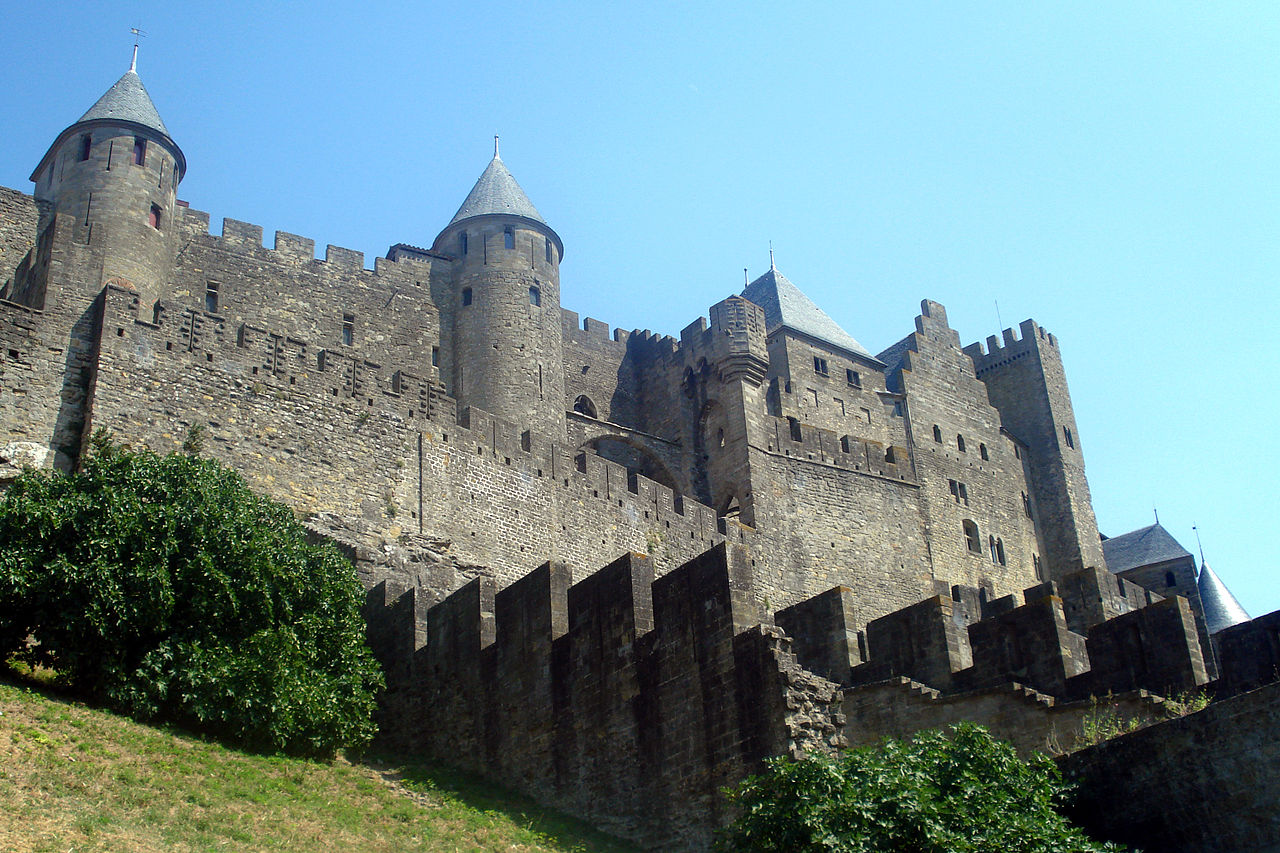
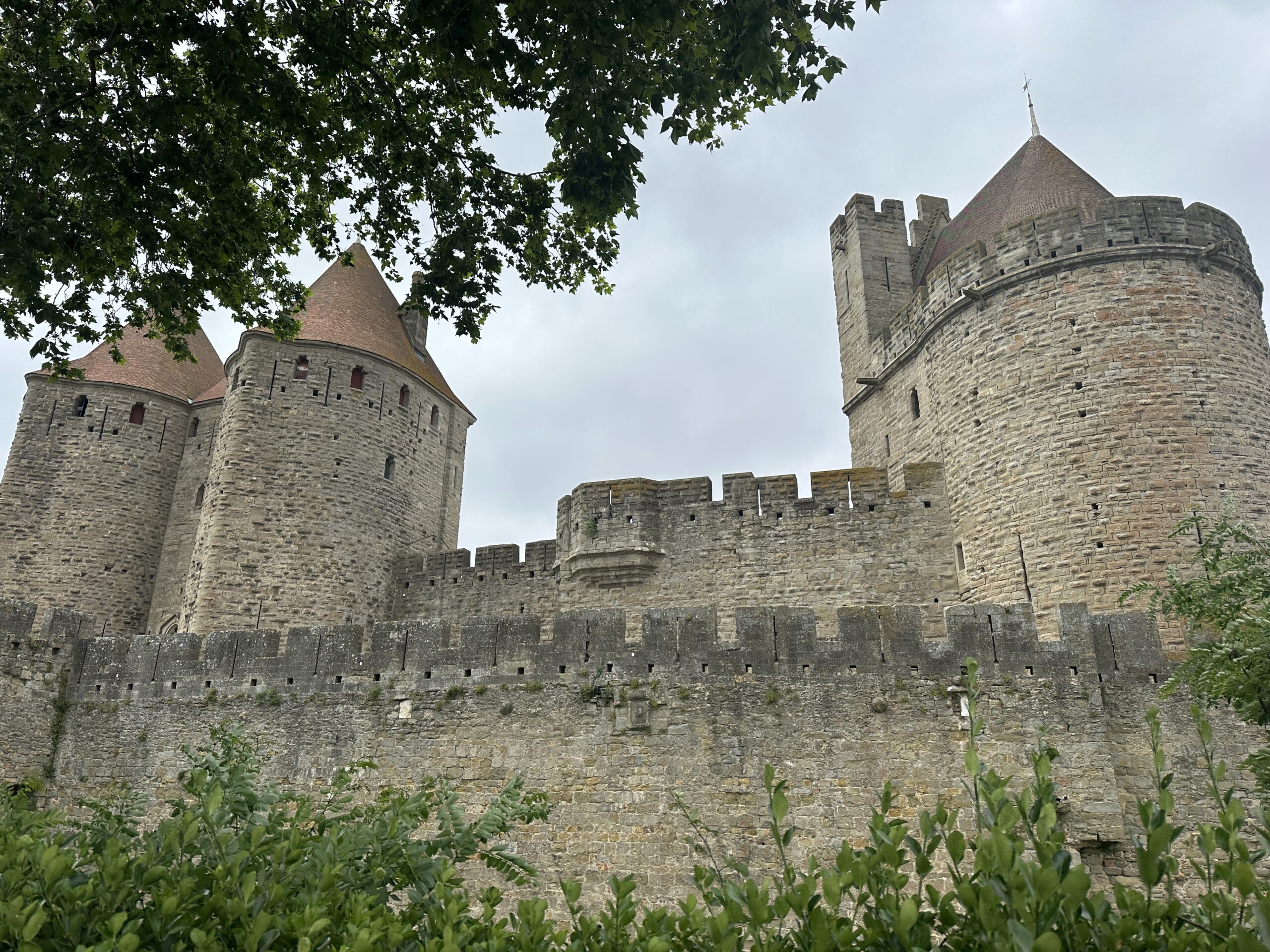
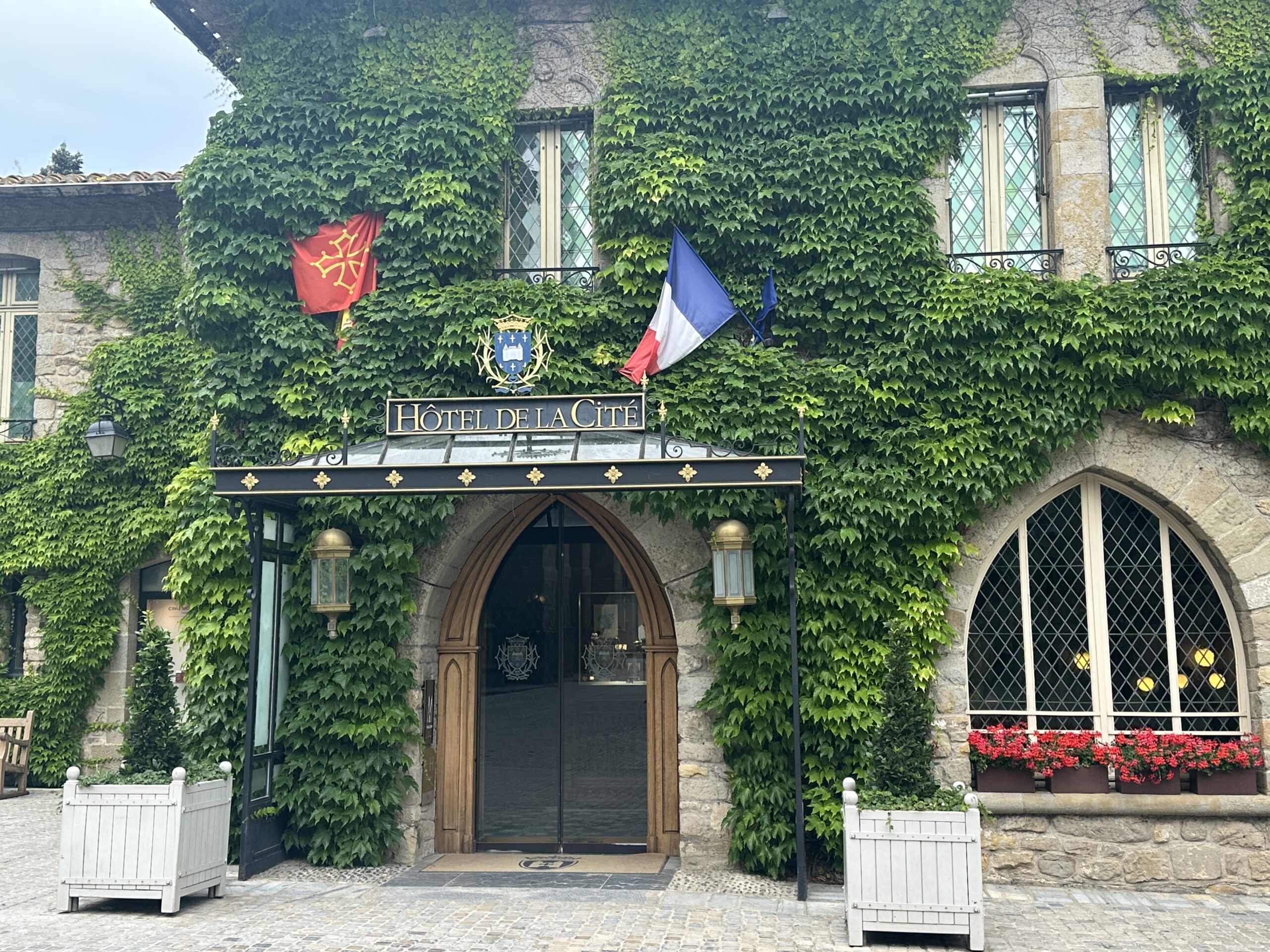
Here’s a 2000-year-old fortress town that was occupied in turn by Romans, Visigoths, Saracens, Crusaders, and tourists. In the 1800s, the architect who restored Notre-Dame in Paris was given the job of restoring the city, and the result is impressive. From our hotel garden, we look across the restaurant at the inner castle in the distance. We are living in the historic site!
We spent a day walking the ramparts, being invited to imagine an enemy attack. Carcassonne is a wonder of medieval military science. Every nook and cranny is designed to foil a siege, which was the main way war was waged prior to 1350, when the cannon was invented. Slits in the wall are angled in such a way that an arrow could be shot without the shooter being exposed. Entrances to the fortress city are crooked so battering rams can’t get up any momentum. Platforms overhead allow soldiers to drop stones on attackers’ heads (although not boiling oil, as that was too expensive). Wall surfaces are curved, so it takes more force to knock them down. It’s amazing how much thought went into how best to kill the other guy.
The city got its name in the 700s when Charlemagne was conducting a siege of the fortress. The inhabitants were dying from starvation, but Madame Carcas had the inspired idea of force-feeding a pig with grain and then throwing it over the wall– splat! Charlemagne concluded that his siege was not working if the denizens of soon-to-be-named Carcassonne had enough food to waste a pig thusly. So he packed up and went away. Now that is clever!
Experts differ on the veracity of that account, but sadly, there is another story from 600 years later that is more likely true. The lord of Carcassonne, Viscount Trencavel, ran a lovely court where tolerance reigned. Jews and Muslims, as well as Christians, were all welcome. Pope Innocent was not too fond of this arrangement and sent a bishop to express the Pope’s displeasure. (There was also a religious sect called the Cathars who seem fairly cool and who also annoyed the Pope). When the bishop arrived decked out in jewels, he was not well received, and in fact, somebody murdered him. The Pope called for a crusade, which became oversubscribed when riches and other plunder were promised. All sorts of knights, lords, and such volunteered for the mission and literally killed every man, woman, and child here and in other places nearby. I guess we were not in the mood to steep ourselves in religion as an excuse for greed and wanton bloodshed, given the news about LA and tRump this week, but in fairness, this place deserves to be the hotbed of tourism. It is quite something!
Tomorrow we’re off to a region that invented world trade–Bordeaux. The product was claret, as the British call the wine that gave generations of them gout.
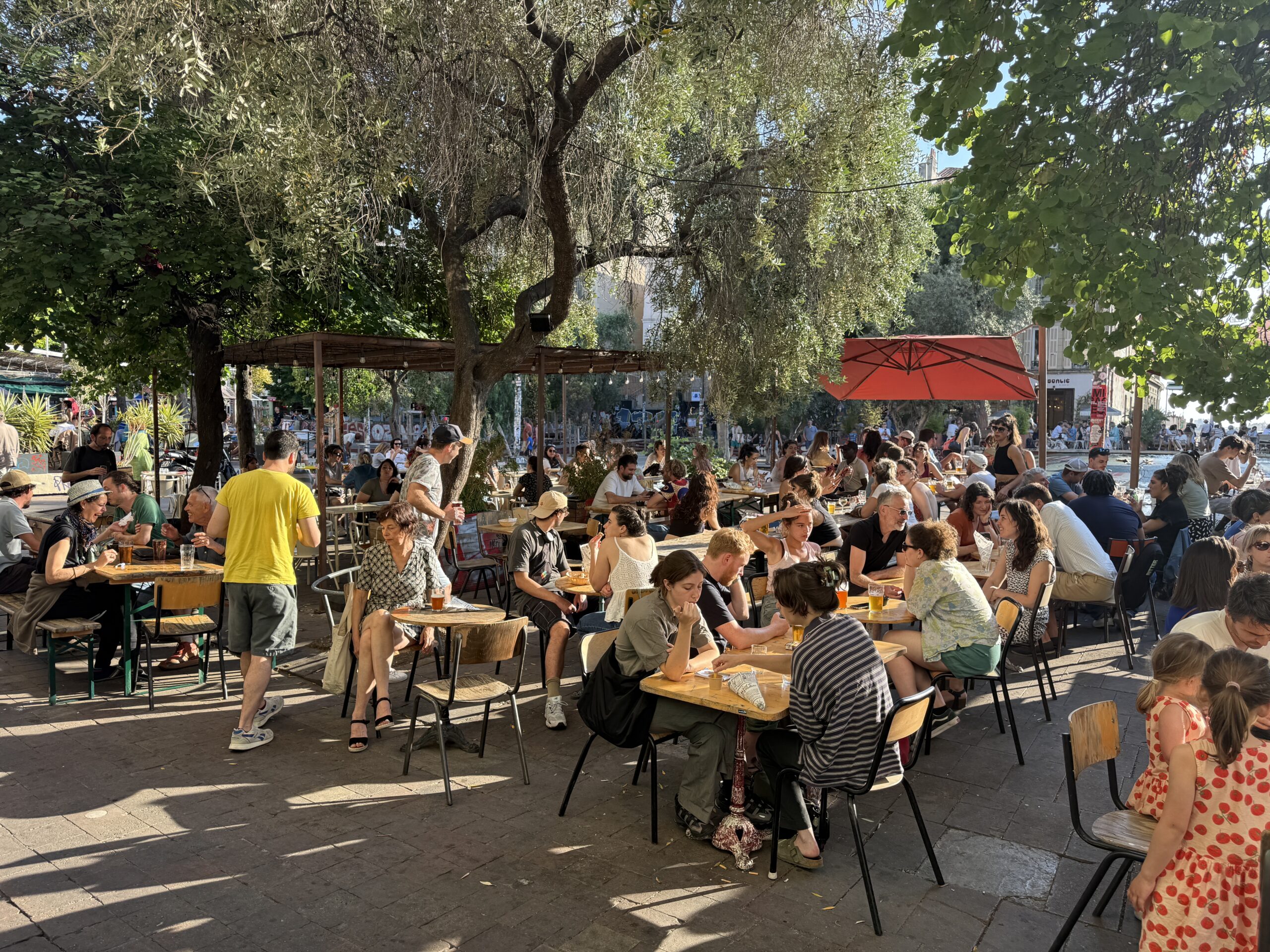
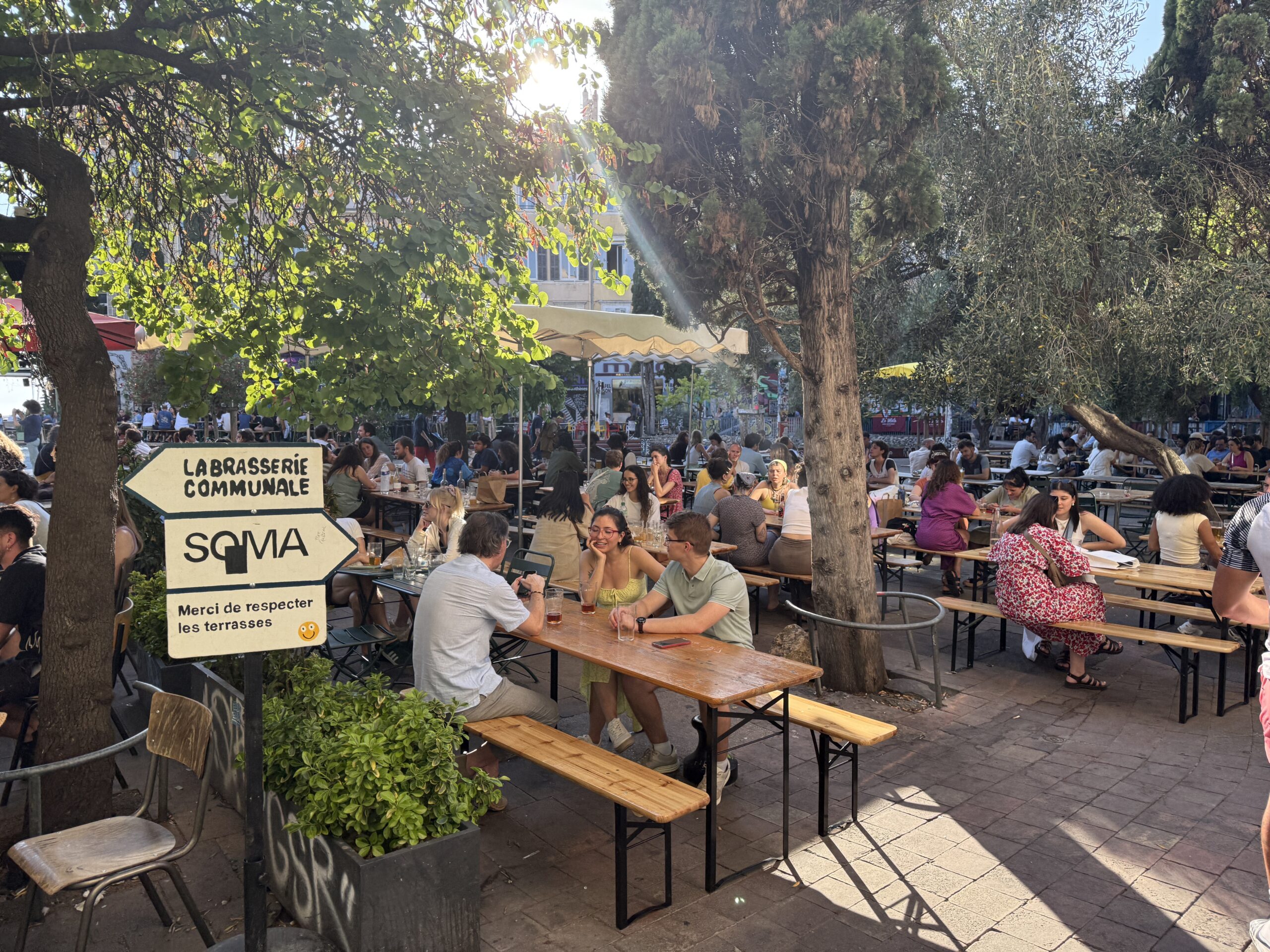
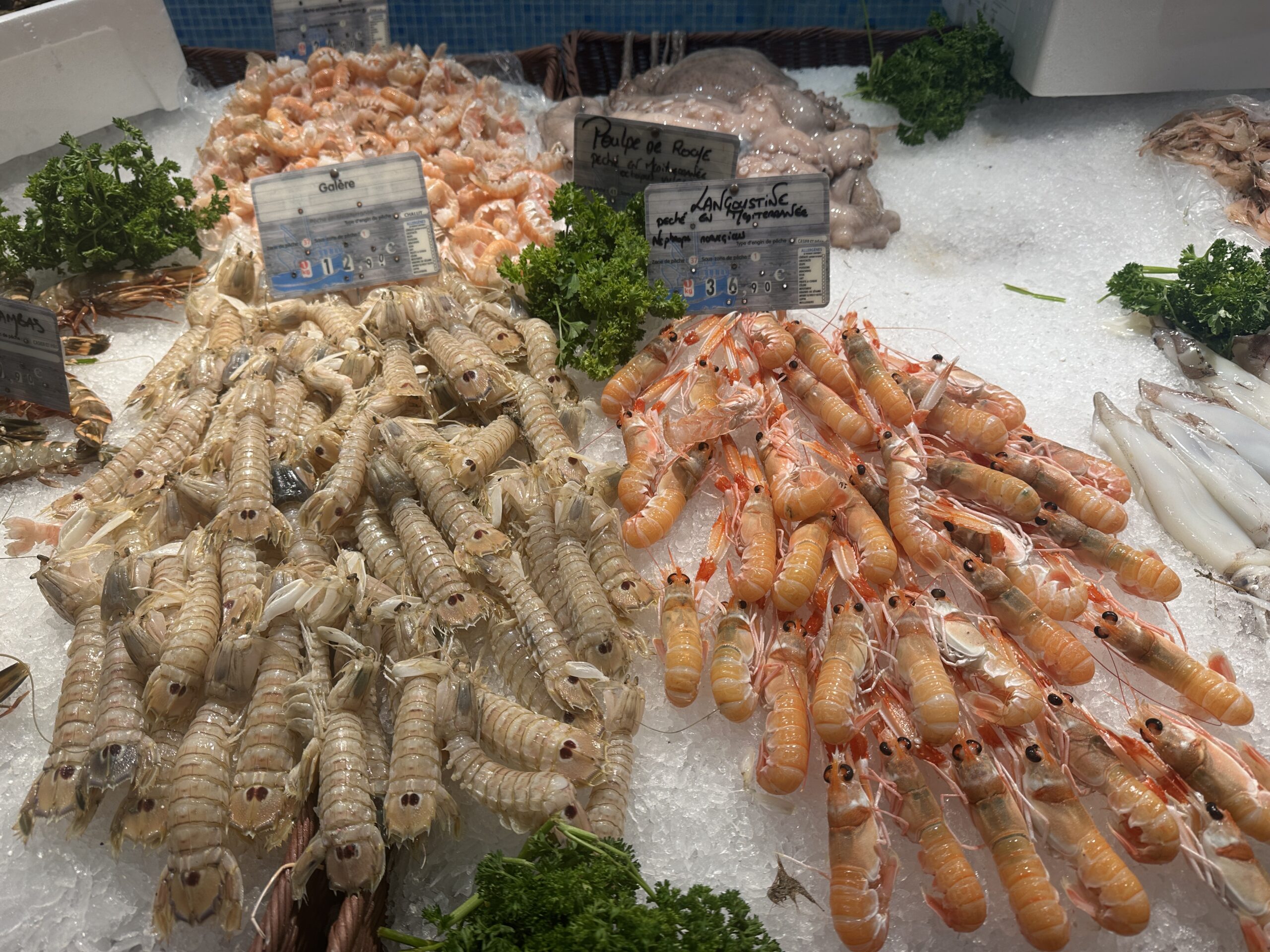
Here are our last days in Marseille before we go on the road from the 7th-18th. We took a food tour in the Cours St. Julien neighborhood–think Reeperbahn–thousands of young people guzzling beer and hanging out all night.
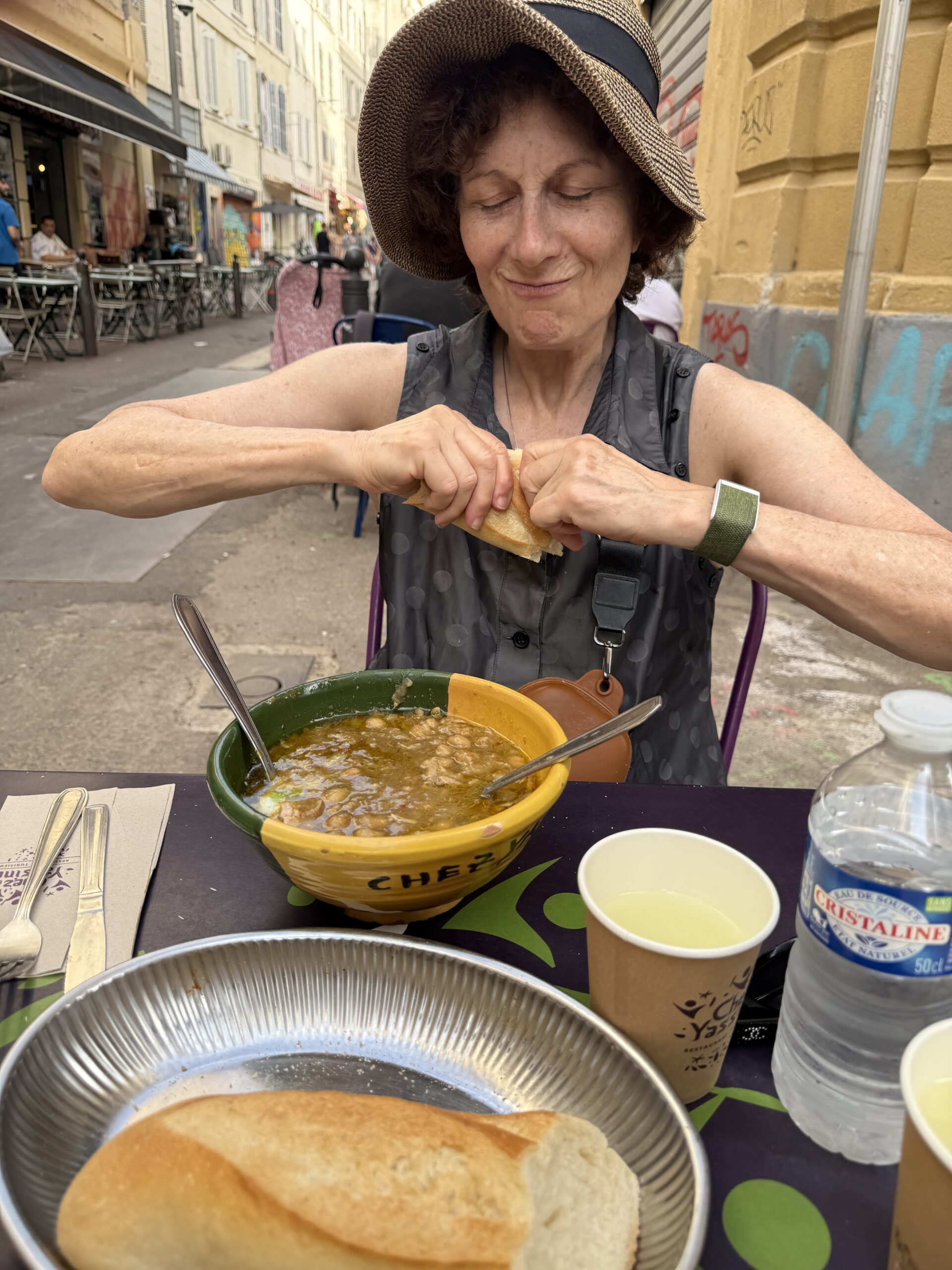
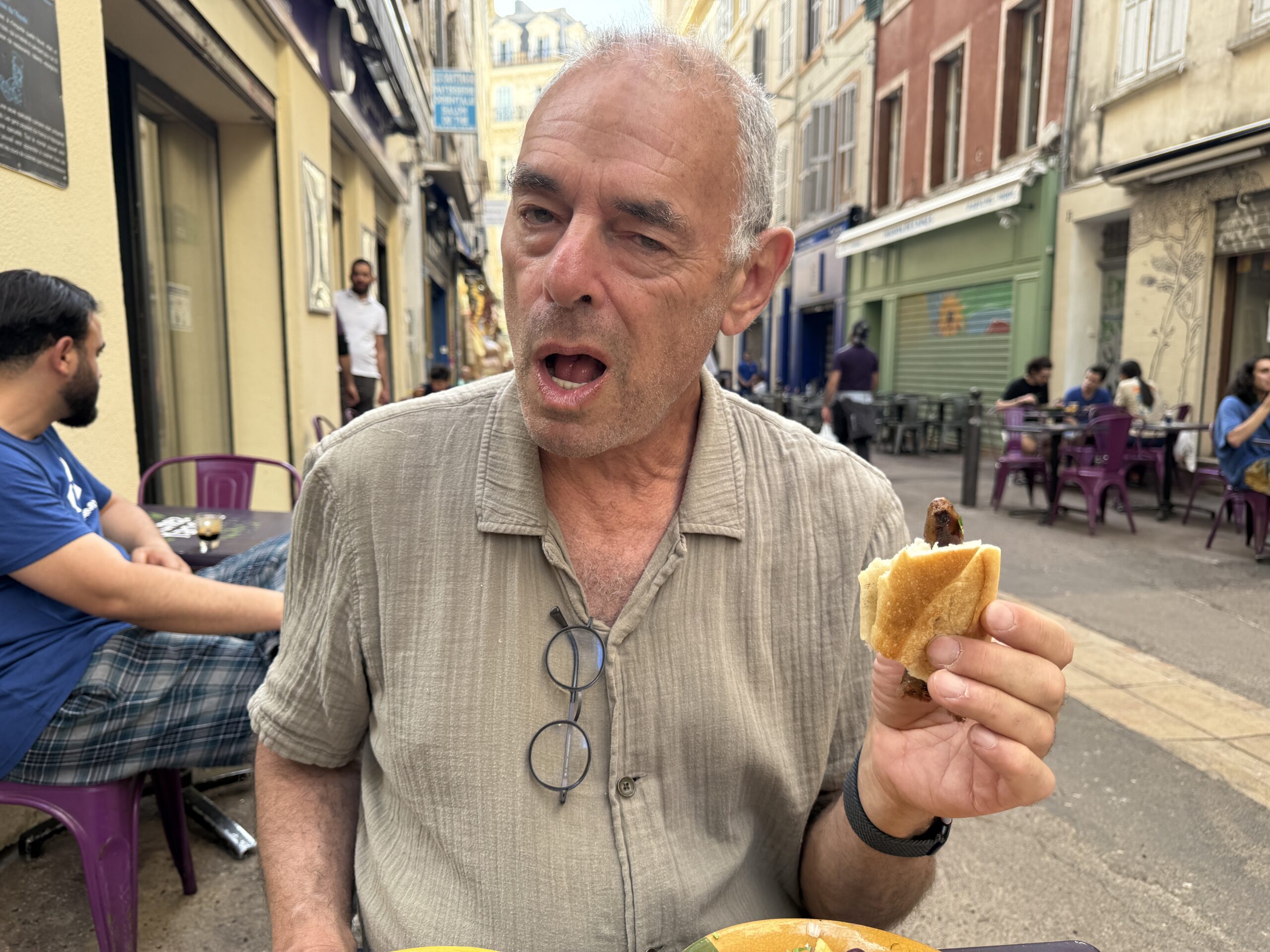
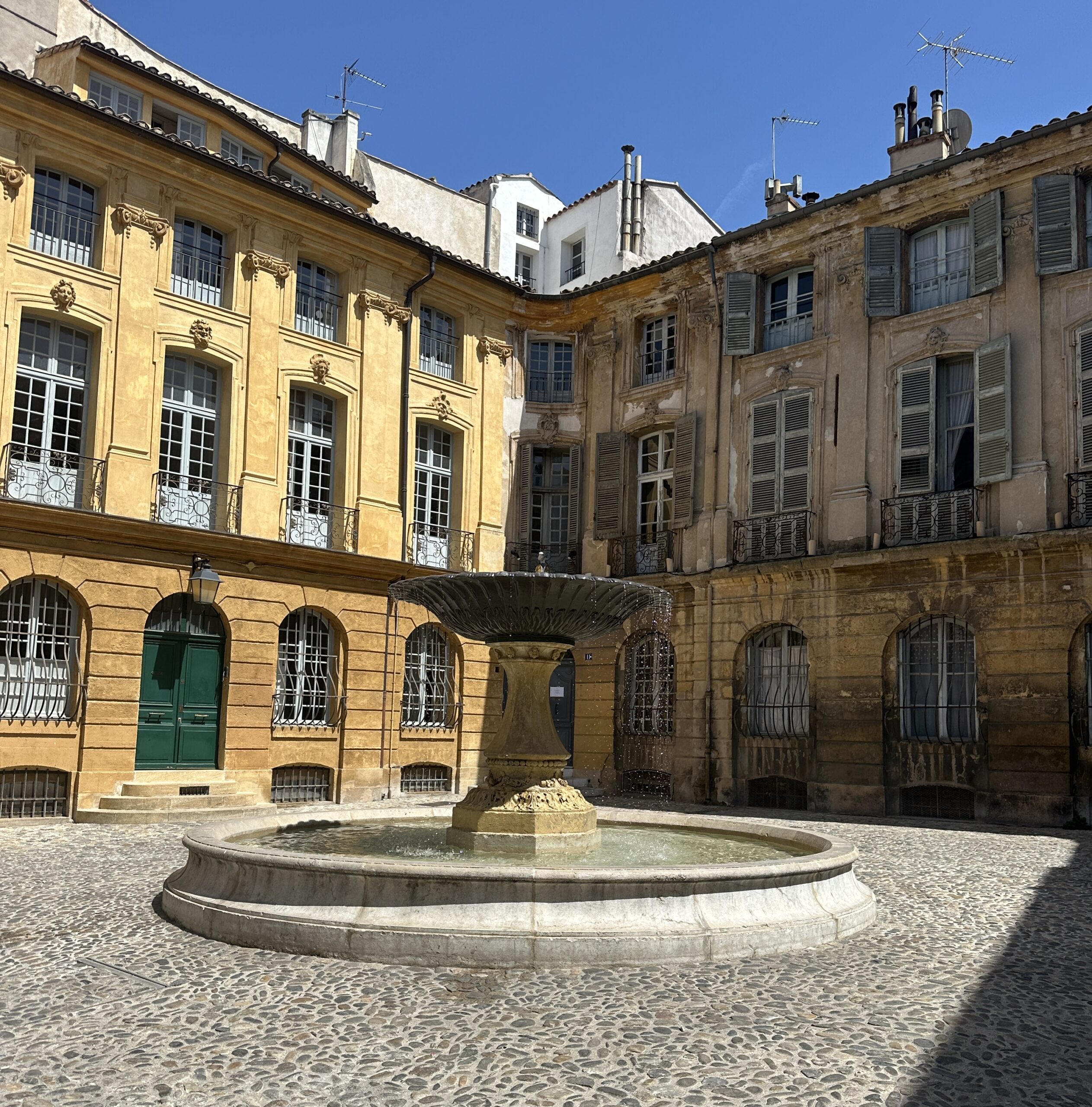
We took the train to Aix-en-Provence, a rich, manicured town with shops serving, e.g. truffles or pistachio marshallows, On our return to Marseille, to cleanse the palate, or perhaps restore its bacteria, we went for Tunisian food at Chez Yassine, where we had Leblebi with tuna, Kafteji with Merguez, and their homemade citronnade, a lemonade, all for 20 euros. I loved the spices even if they caused some pain.
A local fellow walked us around town on Monday teaching us about the politics underlying the transformation of the town from French Connection violence to 9 million tourists/year today. Lunch was various fish presented with aioli, a garlic mayonnaise. Aioli + fish soup = bouillabaisse but one can separate the parts.
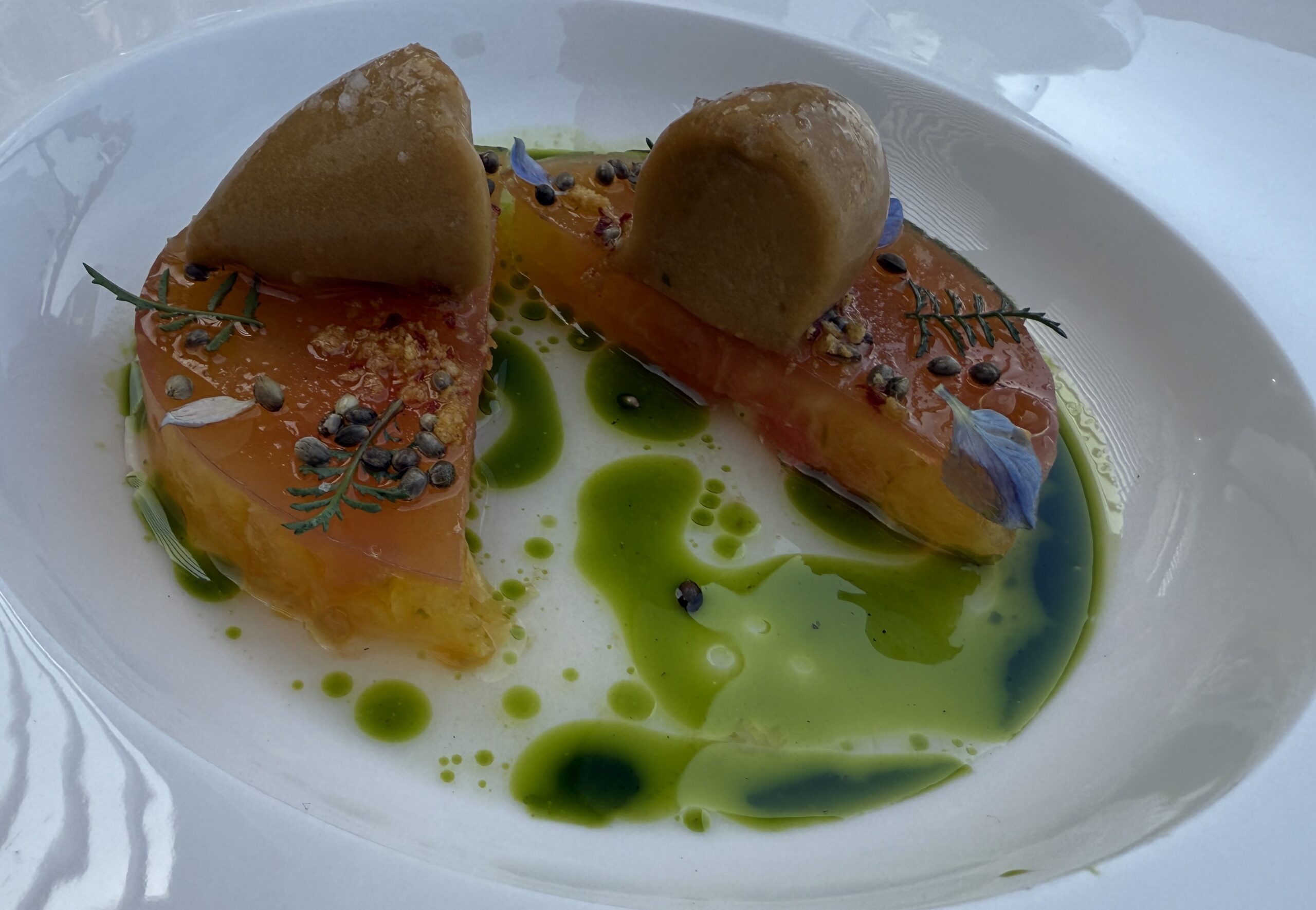
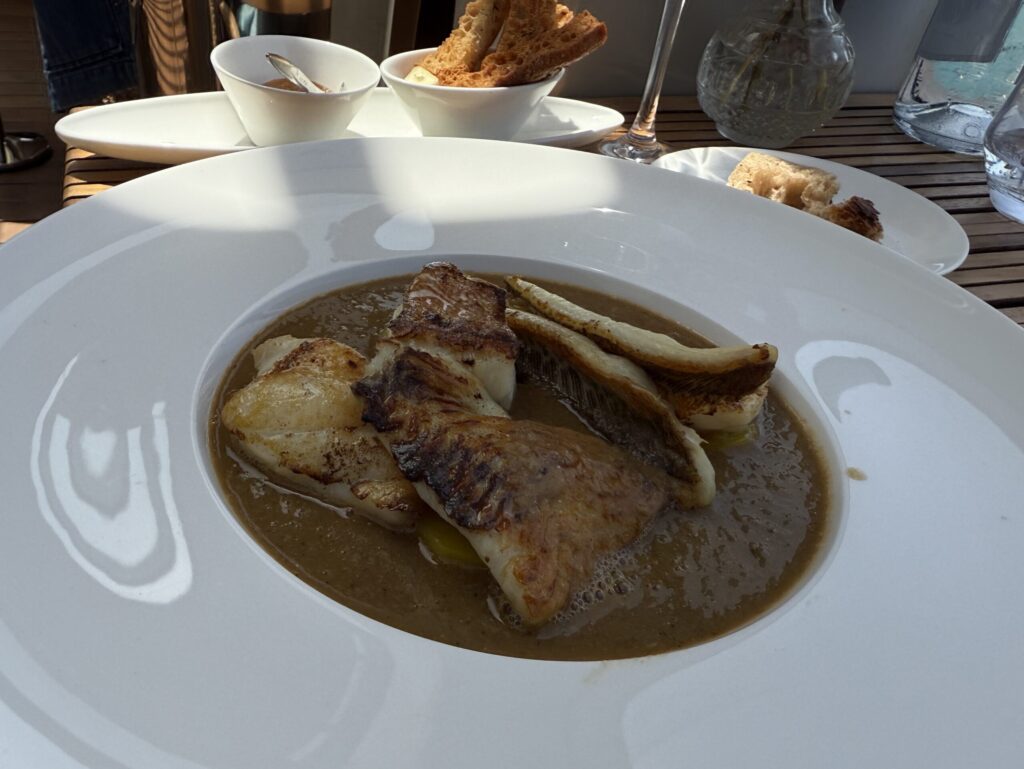
We had all the parts on Tuesday in a really lovely spot called Peron. Yes, I’m getting fat. We shared:
Pressed tomatoes in jelly w tomato water, basil oil, tomato sorbet
Monkfish, mushroom and sun-dried tomato capeletti, grilled artichokes, thyme jus, black garlic
Bouillabaisse w croutons and rouille
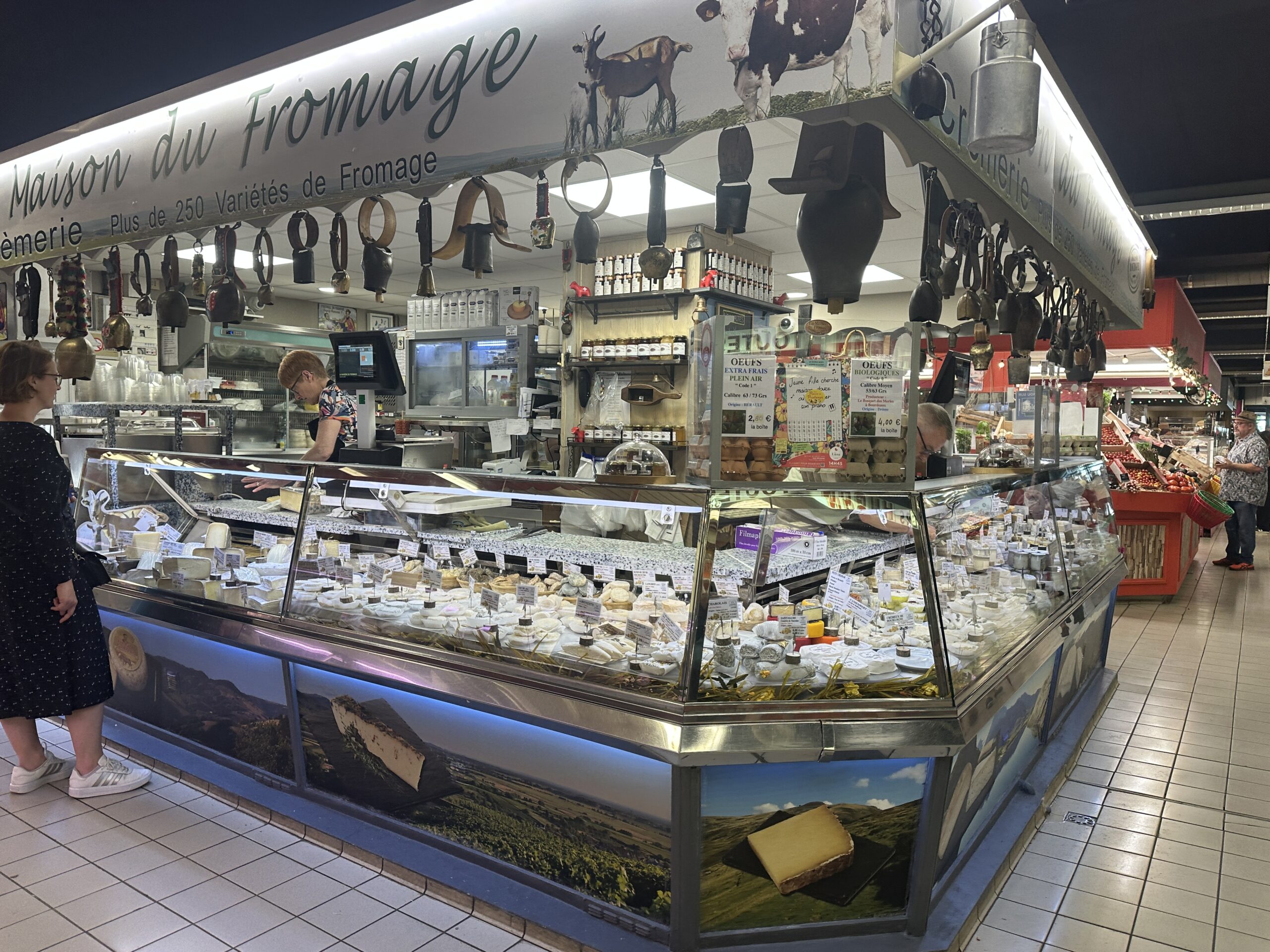
Wednesday saw us head for Avignon, where we visited the old Jewish neighborhood, a temple, a cemetary. I was too distracted by a market called Les Halles to think about art much. Our last night saw me prep a pilaf for one of the managers of Marseille Echecs and his friend. Maurizio is from Colombia and a bit stronger than I. I couldn’t tell if he let me win the first game or if he just blundered but I suspect the former.
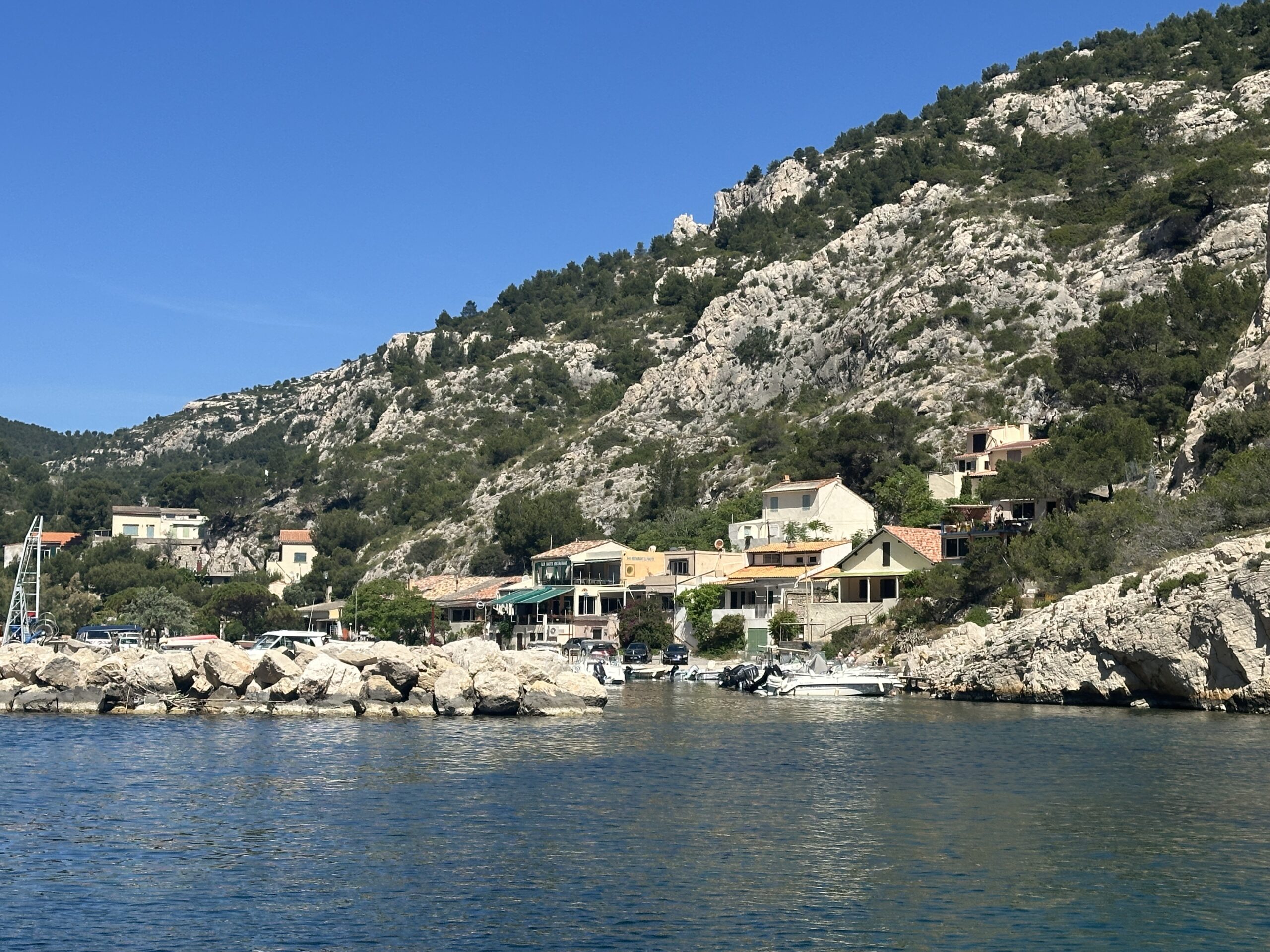
A calanque is something between a sheltered harbor and a fjord, with its Mediterranean waters around 60F at the current moment. Marseille itself is located in a giant one but smaller ones notch the coastline in this area. Many have restaurants and fishing villages nestled in them–some accessible overland and some only by boat.
On the way back from Thoronet, we had a quick dinner in Cassis, which after the deep variety of Marseille, struck Mikie as rather white and manicured, like a New England yacht club. On the drive, Jody reads aloud from books about Roman times here, the political organization, the coups, and the clever management techniques that were key to Roman success in retaining the best legions.
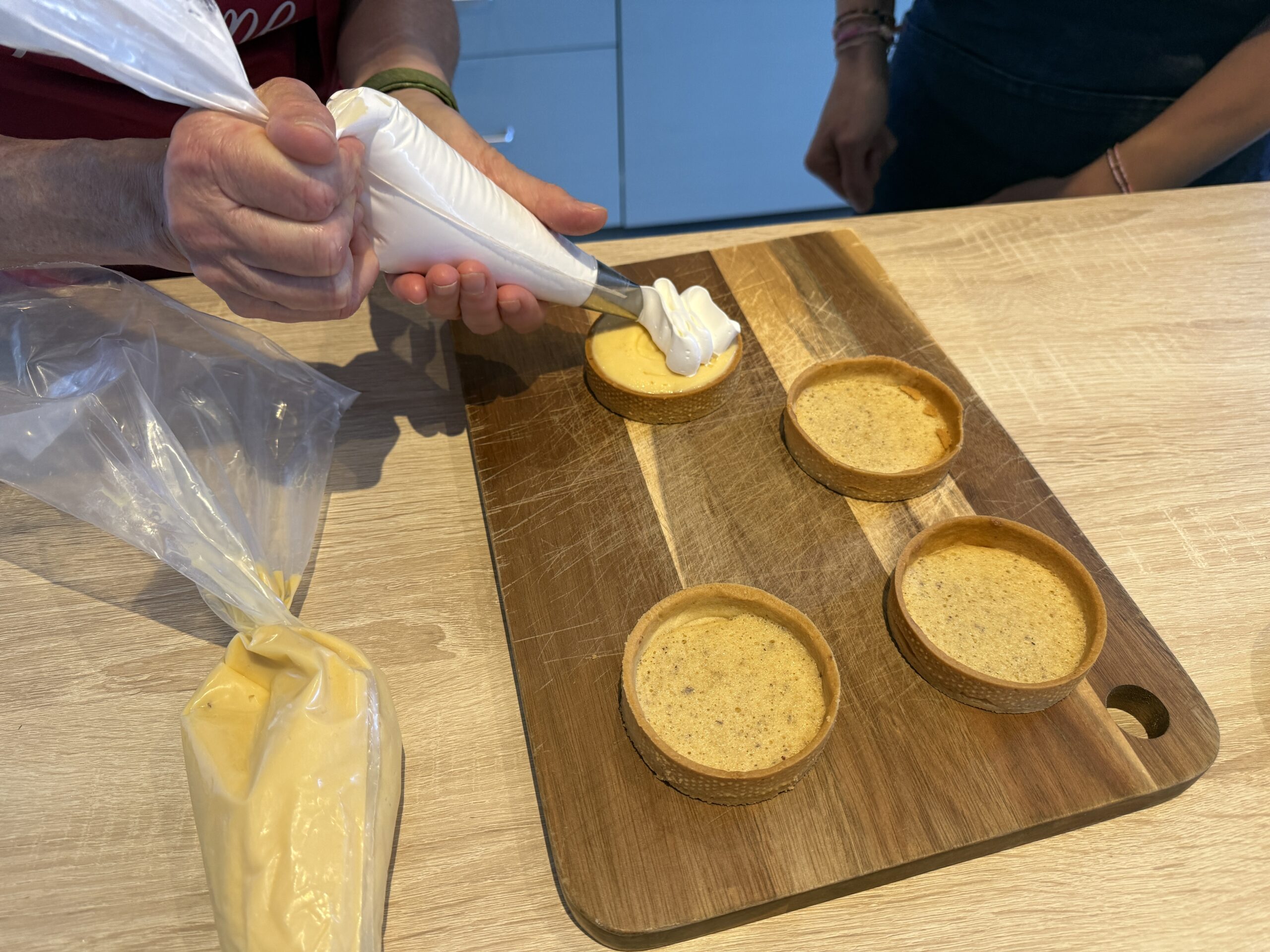
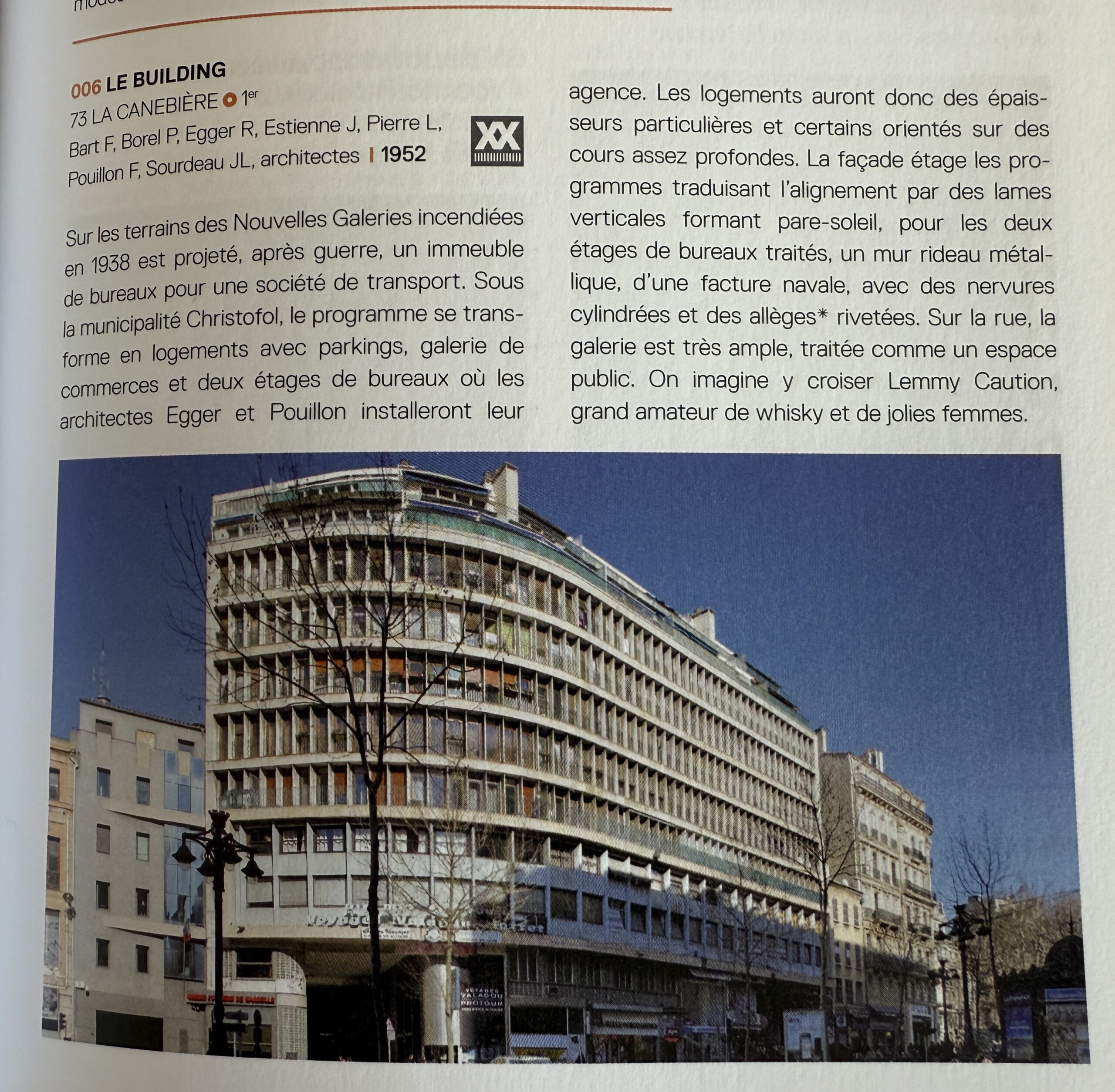
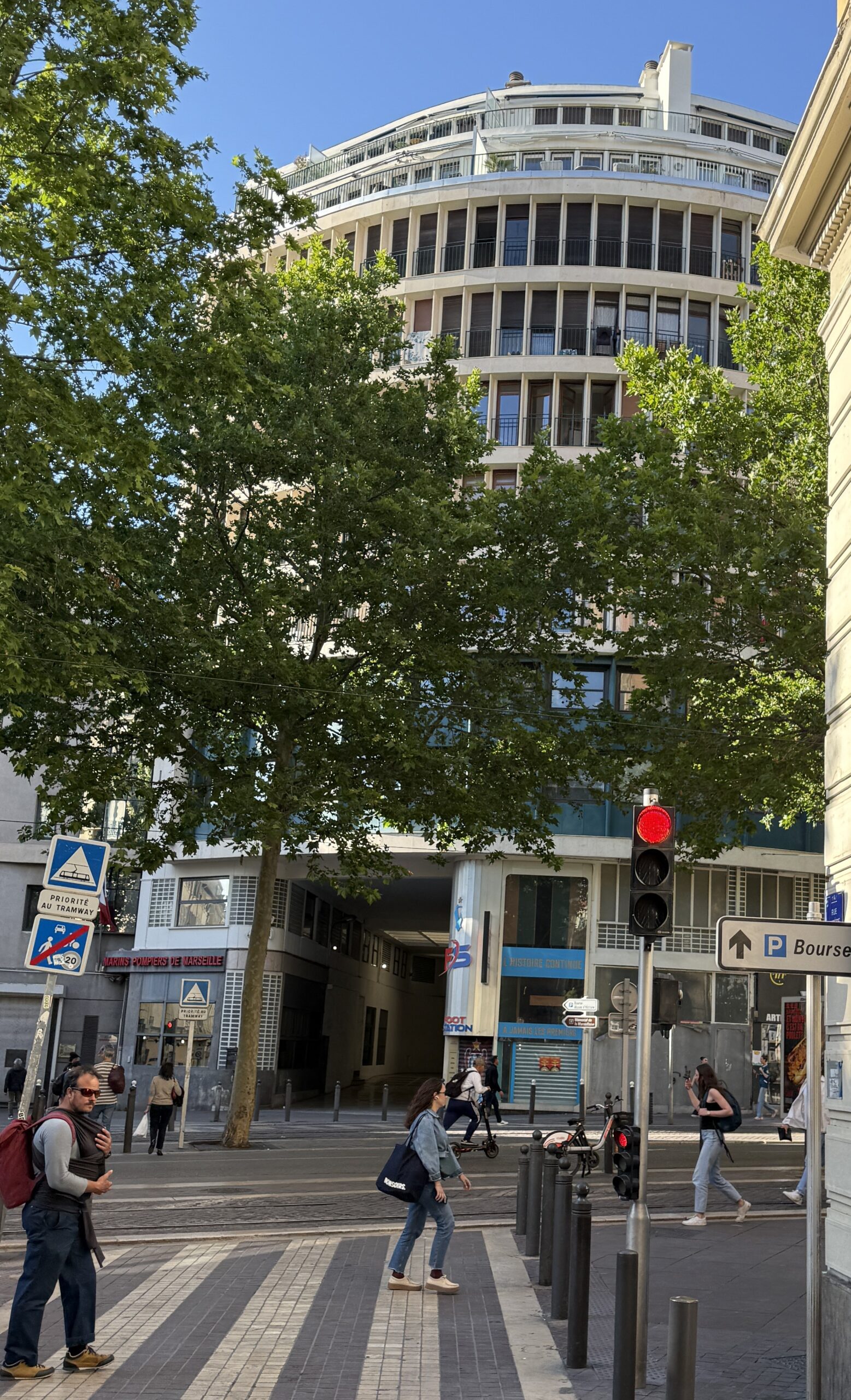
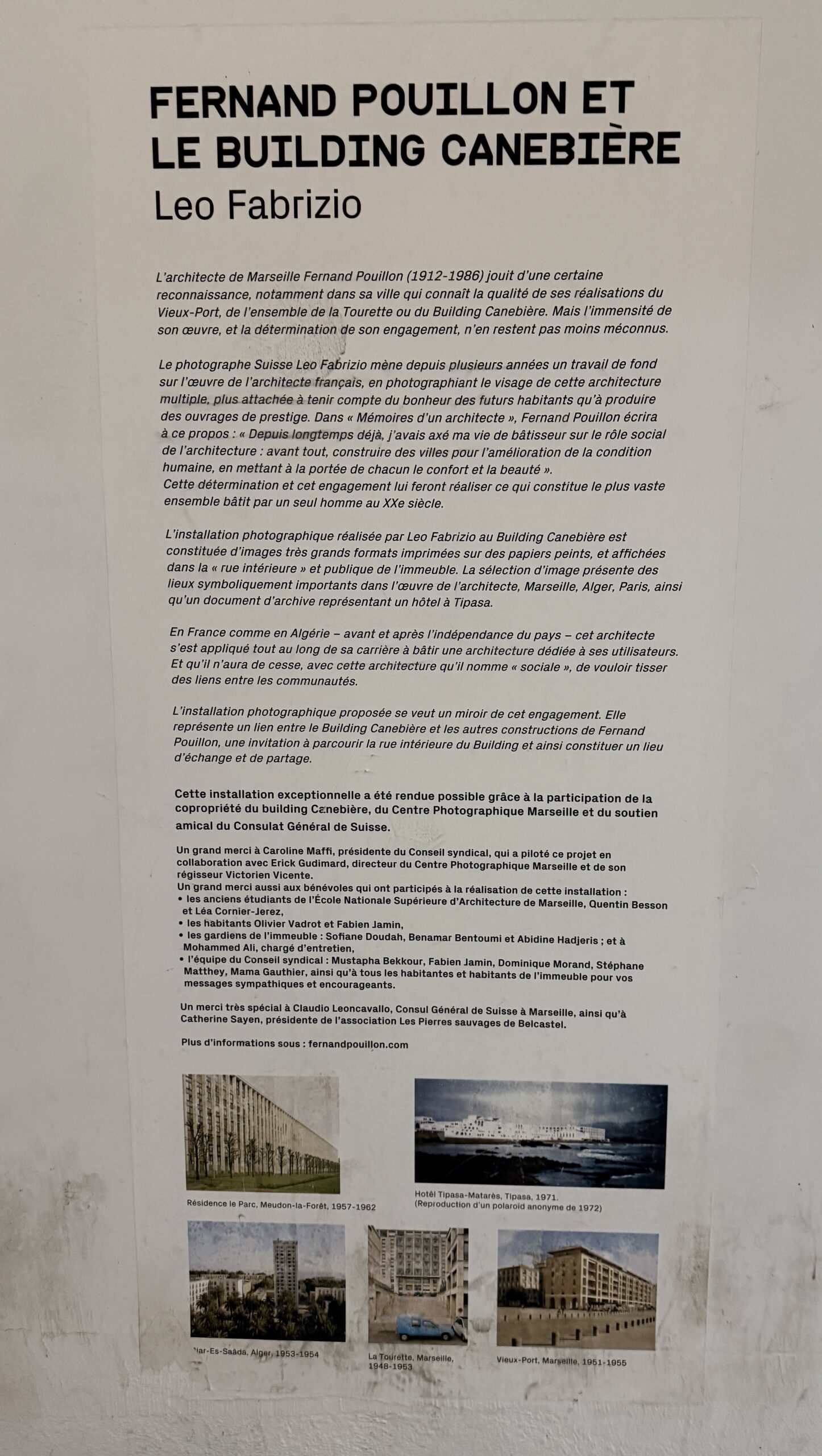
We took a pastry class and learned to make a lemon tart with meringue topping that came out very attractive and yummy. The teacher’s house was in a more sanitary and safe part of Marseille than ours. We are staying in a famous building that must have seemed a skyscraper as they laid the cornerstone in 1952, but its neighborhood is now a bit mingy in spite of the city’s constant cleaning, maintenance, and public works. It has a certain stately beauty nevertheless and the location is fabulous. Not three blocks from our place is a wonderful combination cooking utensils-home decor-hardware emporium called L’empereur, which is the epitome of good design in the service of useful tools.
Our dining has been Michelin this and that but we were very fortunate to be invited to the table of a reknowned photographer, whose cooking turned out to be astonishing. We had olive fougasse much crispier than we get in L.A.–more like croissant material than bread–then white asparagus in Sauce Avignon, a loose bechamel with herbs, then a spring lamb roast of the sort American butchers are too “moral” to cut up (as if I went to butchers for their moral example), strawberries and Chantilly, espresso with Mirabelle Liqueur. It was the kind of excellent home cooking that Mikie aspires to. Thanks, Paul!
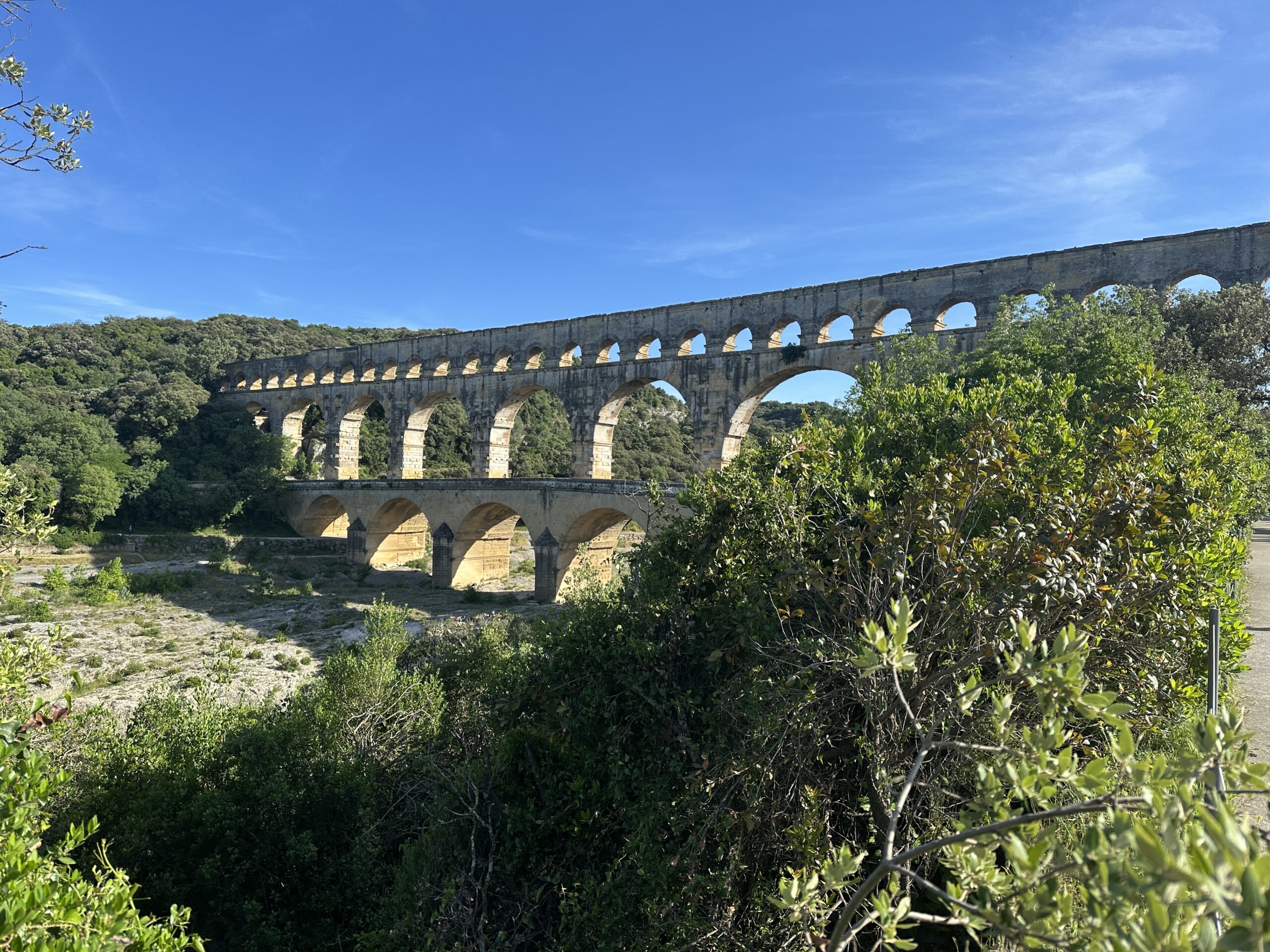
On the way back we visited the Pont du Gard, a massive Roman acqueduct in three levels that lasted through the dark ages until the renaissance brought back some appreciation of large-scale engineering projects.
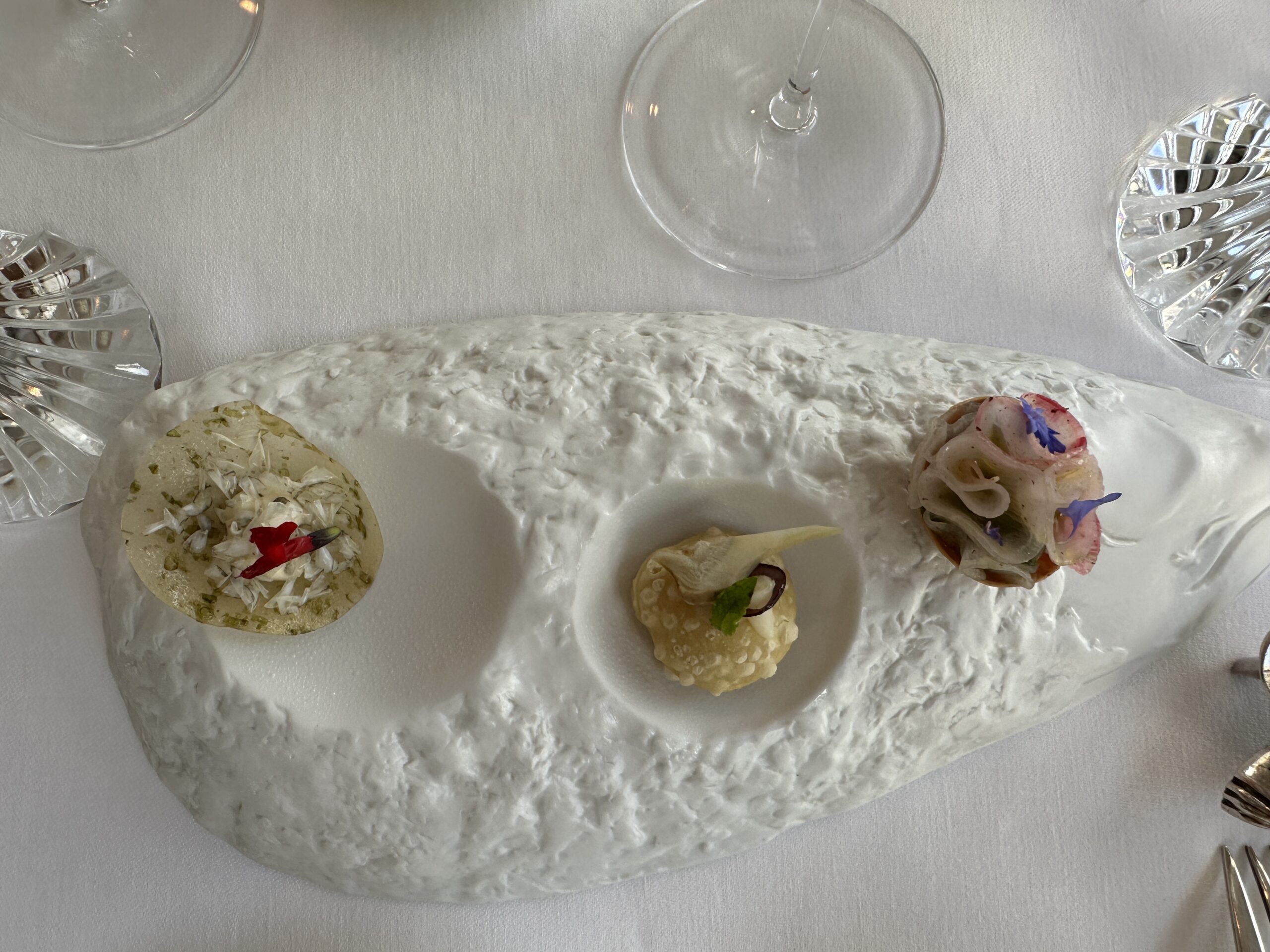
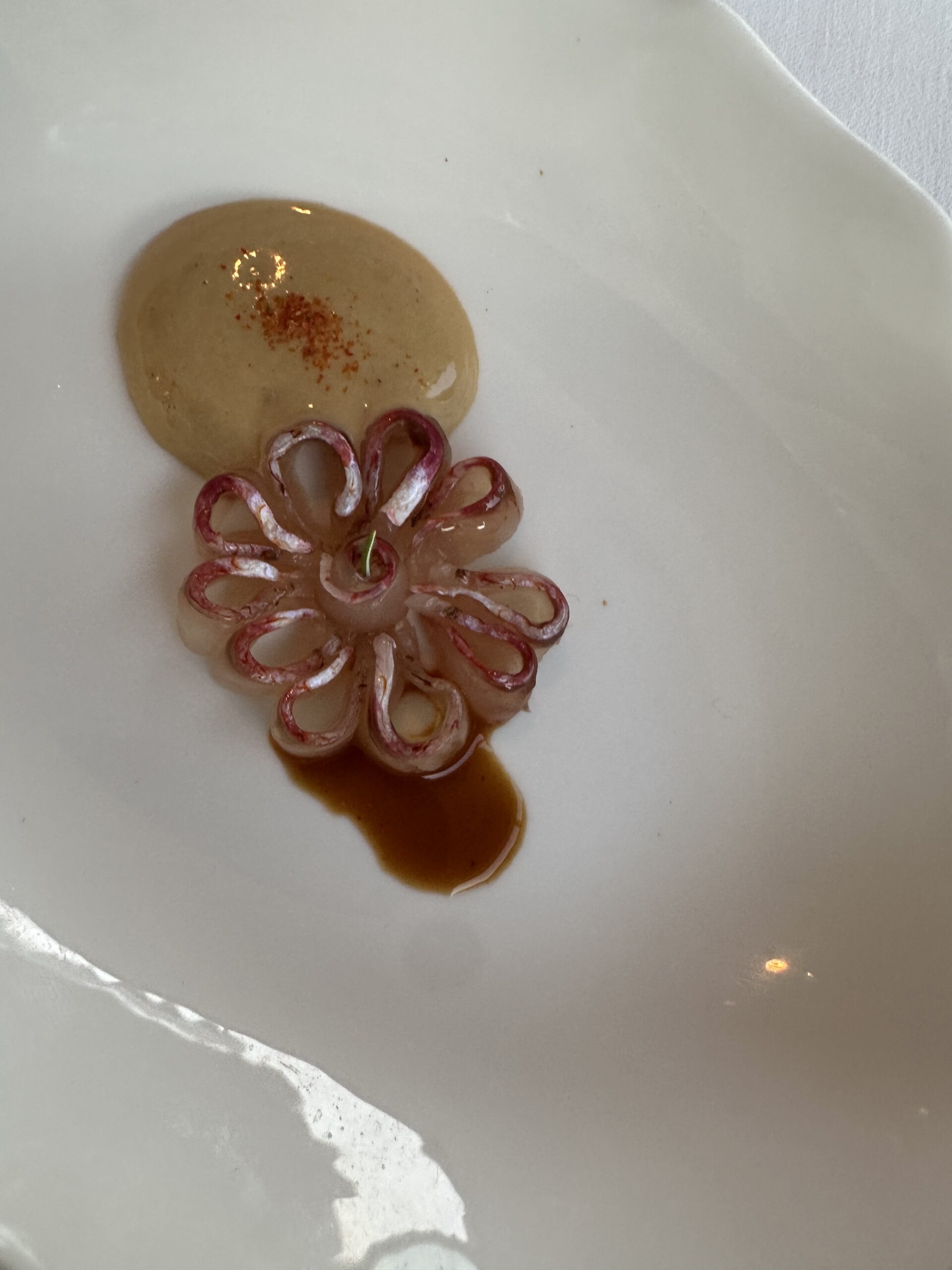
Not to slight the Michelin crowd, Le Petit Nice by Gérald Passedat offered us a stunning view of the sea and various references to the marine theme unfolding before our eyes. It was influenced by Japan but was not a hollow copy of kaiseki. Each dish explored undersea themes using exotic ingredients on extravagant pottery, and while we certainly have enjoyed wonderful 2-star meals, the 3-star experience is as different as poetry from prose.
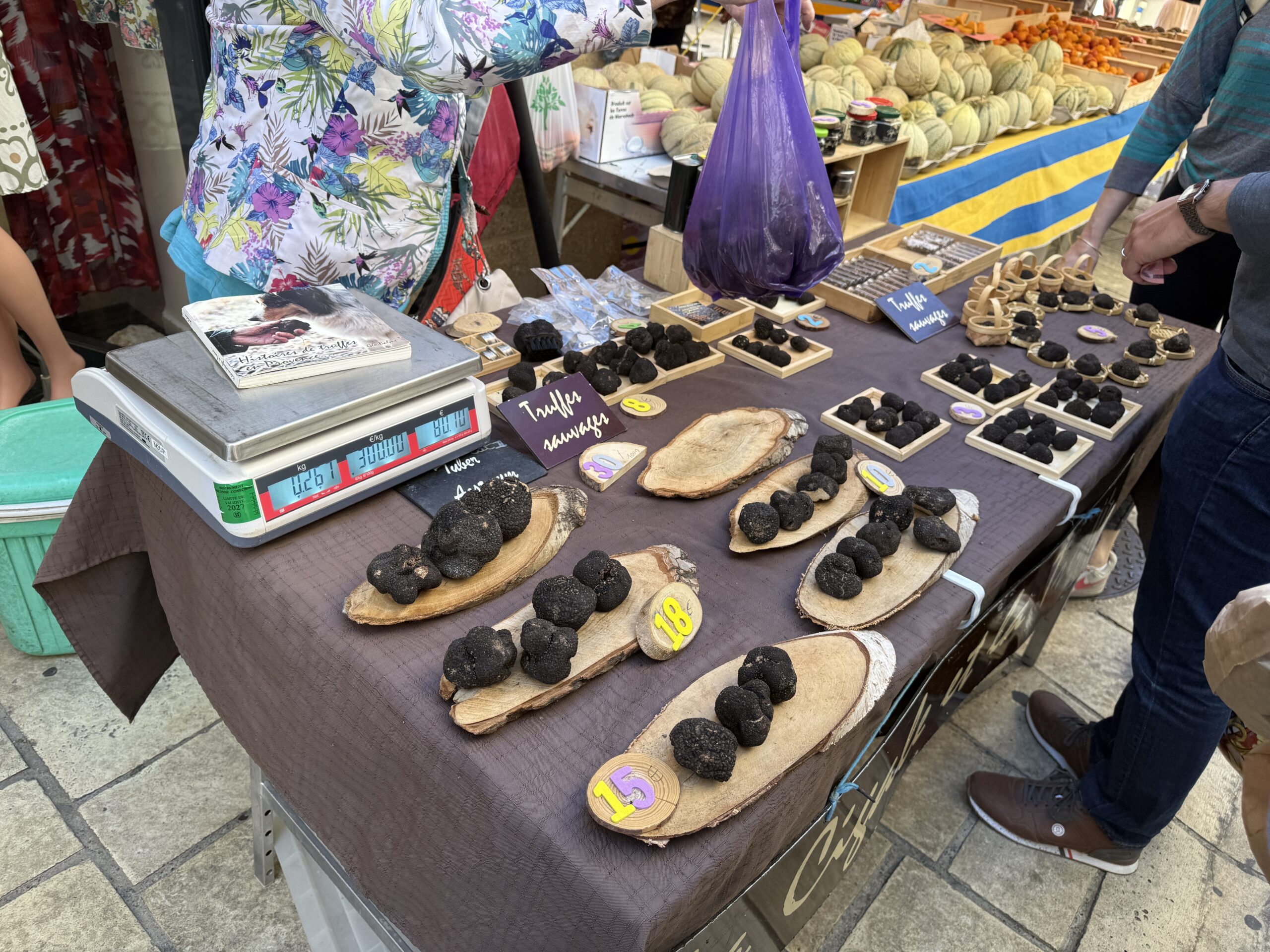
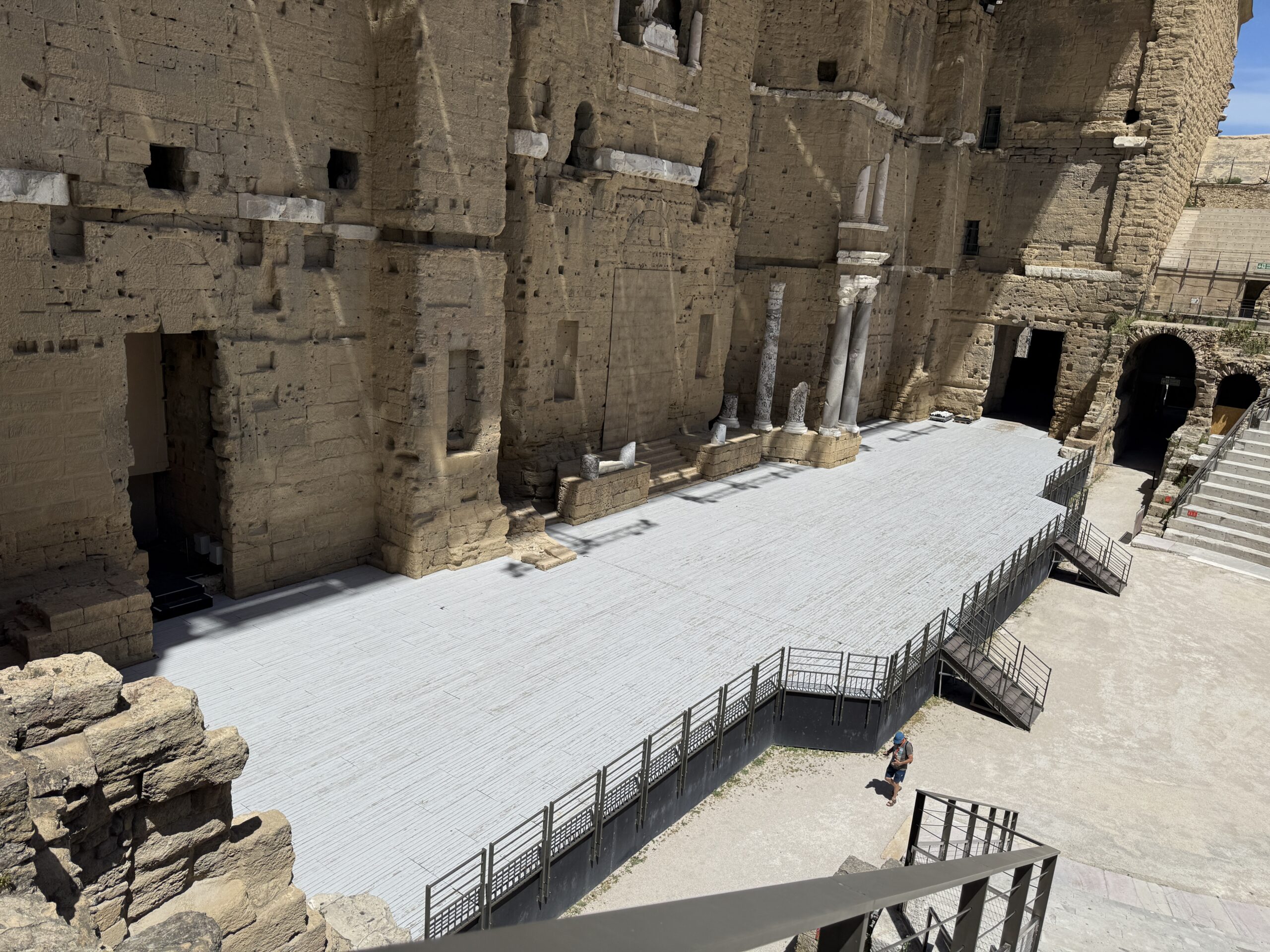
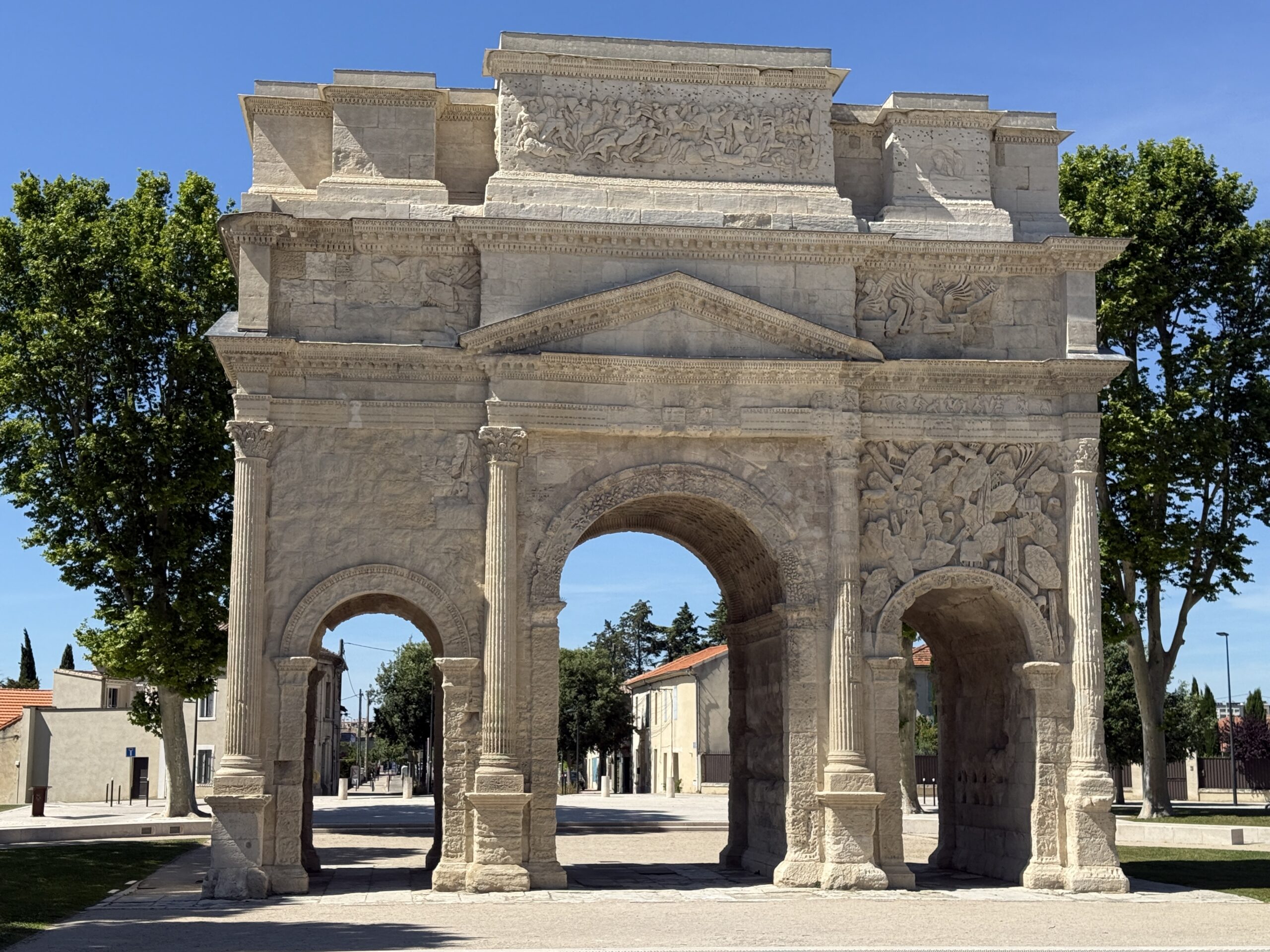
We drove out to Orange for their market day, the first of many such excursions we plan over the next weeks using Marseille as a base for exploring the villages and valleys. I bought a truffle for 3 euros. Orange has one of the oldest stages in the world, built in the 1st century, and the original of the Arc de Triomphe, dating from 19 CE, 2006 years ago.
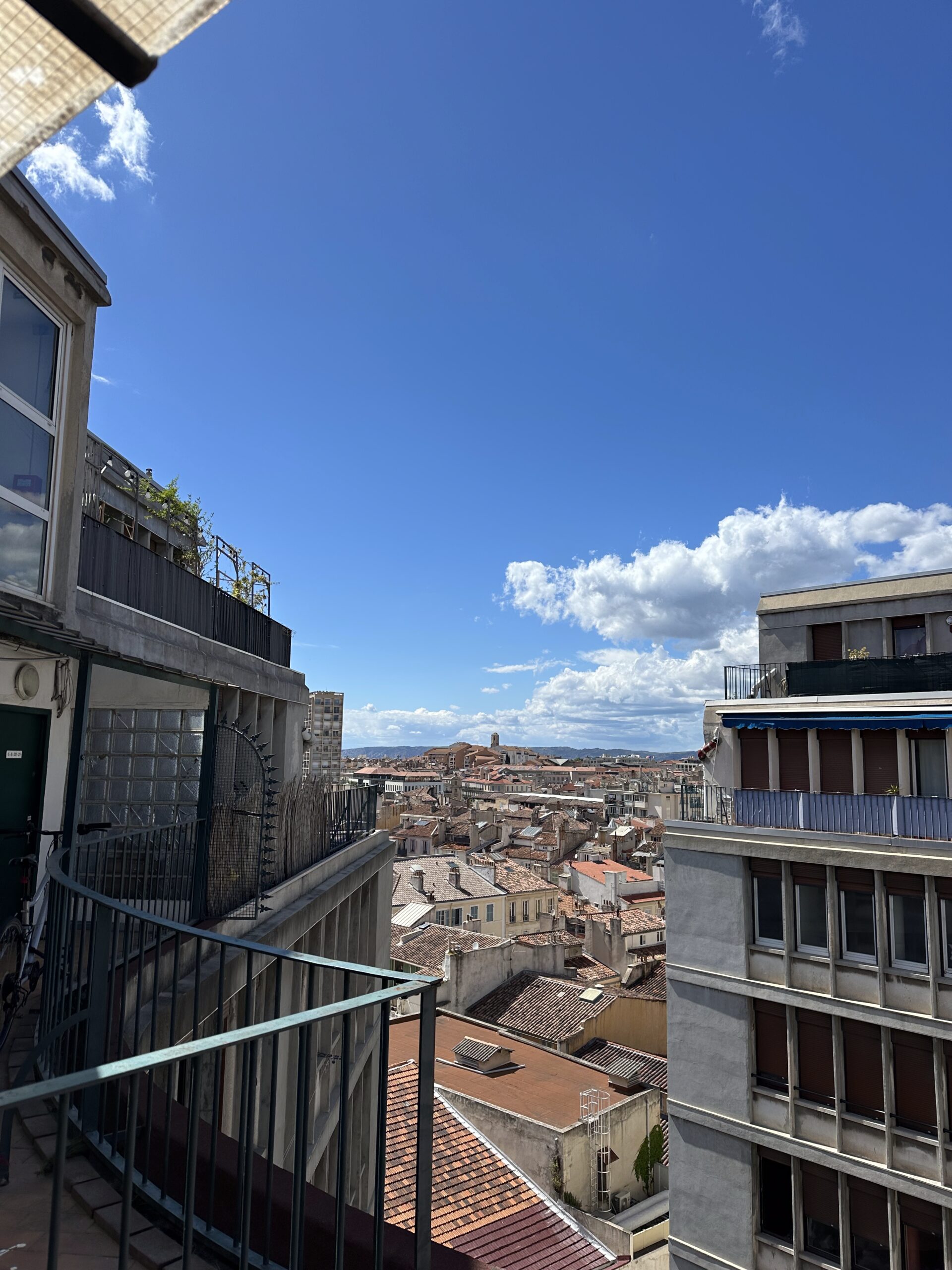
Calanque w restoCalanquesMaking lemon tartsWhere we’re stayingOur view
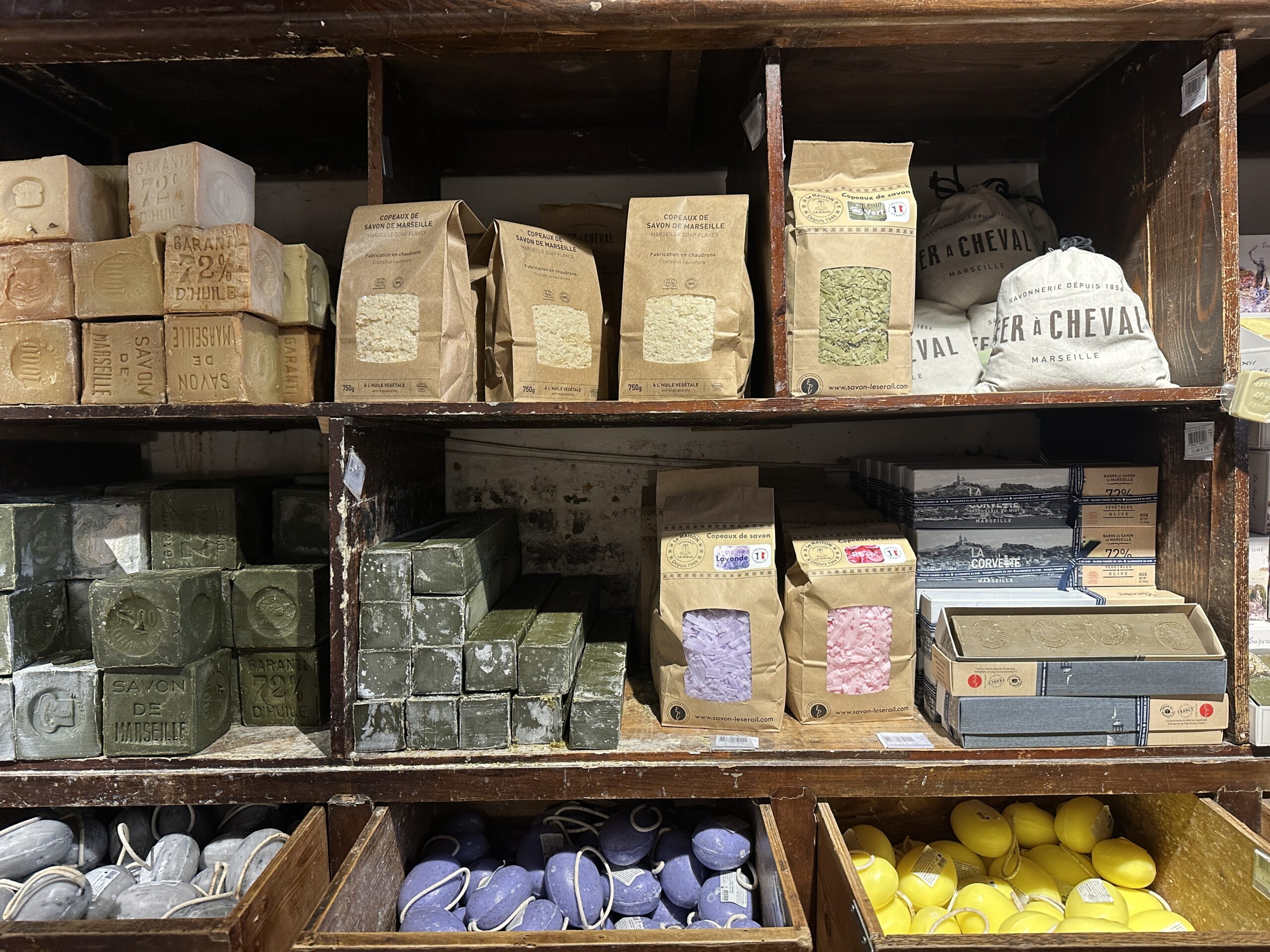
Marseille’s famous olive soap
Pont du Gard, aqueduct from 0CESome Passedat dishes2000 year-old stagePrecursor to Ard de Triomphe
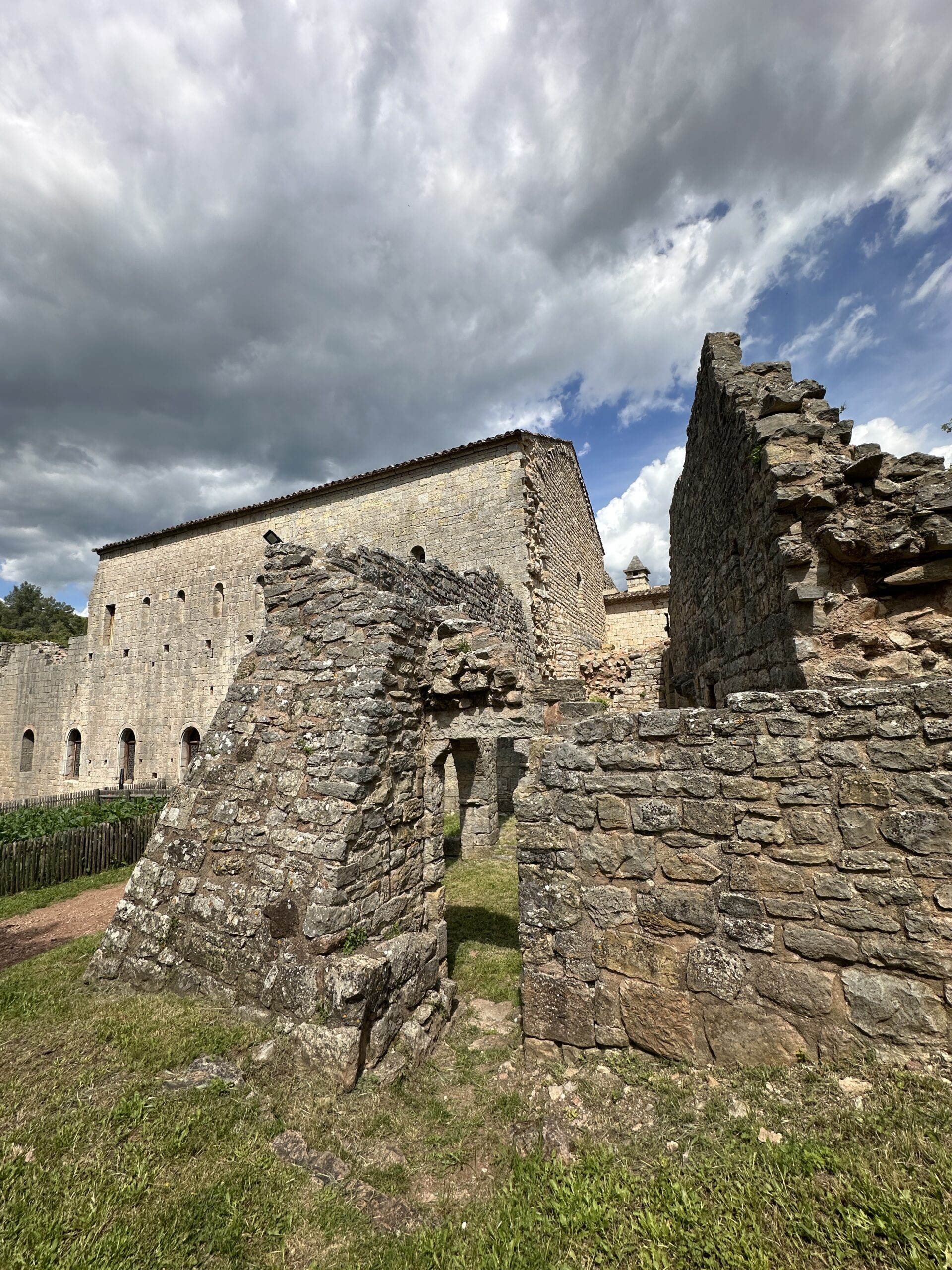
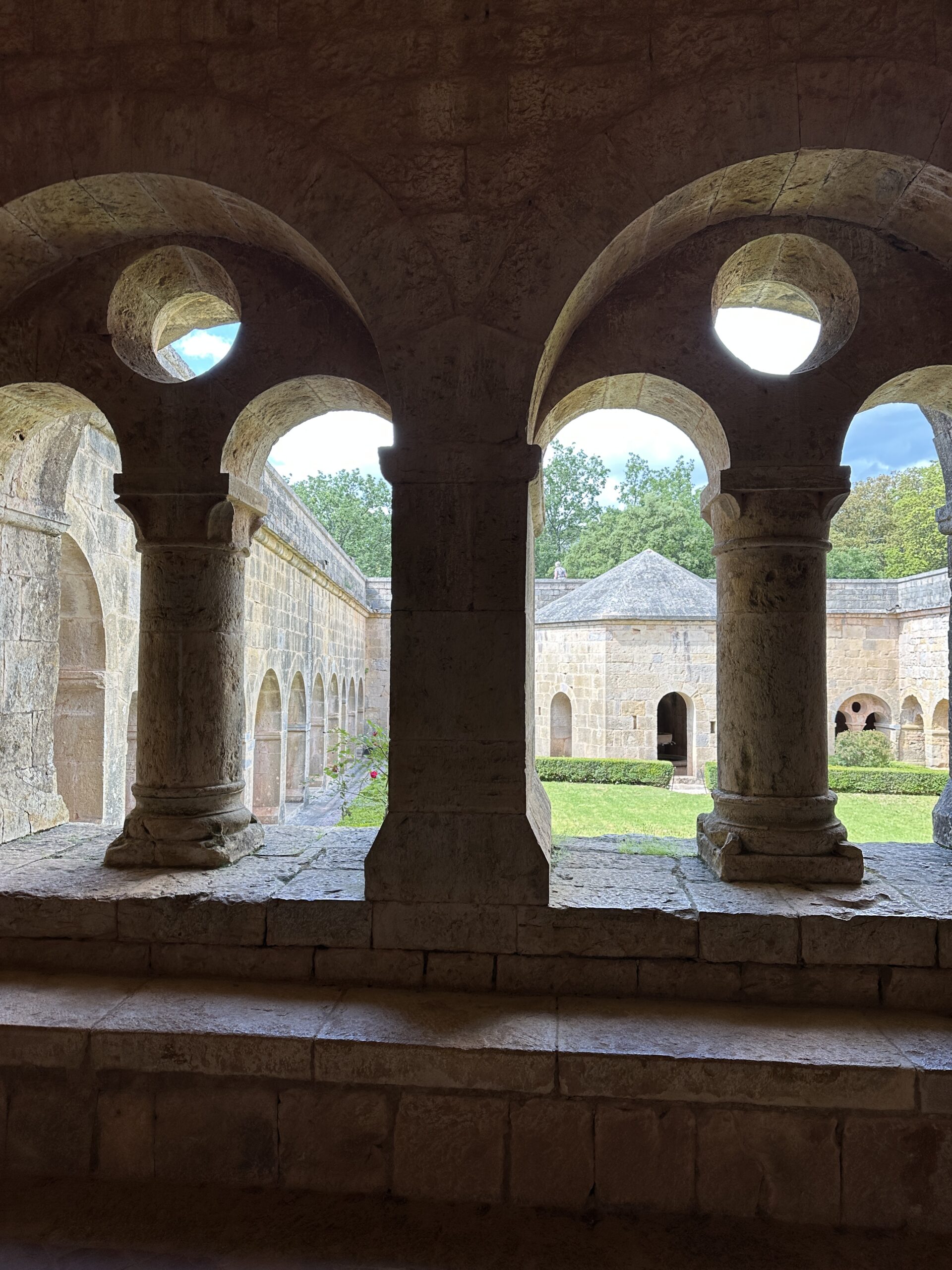
In my two-month interregnum between jobs, my partner and I took the rare opportunity to spend six weeks in France, mostly outside of Paris. This trip feels different from other vacations, not only because of the leisurely travel, but also because we are leaving the country at a time of great upheaval at home. This is not a travelogue (although if you plan to go to France, read Ina Caro’s The Road from the Past first and don’t miss seeing Thoronet Abbey between Cannes and Marseille). Rather it is an attempt to get some perspective on our present moment.
Hedwige and Bruno, our informed Airbnb hosts, expressed a sentiment shared by their Lyonnaise friends. Why is no one in America doing anything to stop this political cancer? Michele and Jackie, two travelers from Chicago whom we met in Marseille said the same thing. Yet Timothy Snyder the historian and expert on fascism, in his review of the first 100 days, says he is hopeful because he didn’t expect Americans to fight back as much as they have been doing. We have a chance, he thinks, because we regular Americans are standing up! He references folks who have never gone to a protest before coming out in numbers. Why the disconnect?
In this time of information overload, how can so many people be unaware of the many voices that are rising loudly? Is media coverage lacking? Well sure, especially traditional outlets. But I also think a psychological shift is needed that has been decades in the making. After 911, George Bush told us to go shopping. Contrast this with the individual participation by everyday Americans in the time of our founding. We don’t know the names of all the protesters who dumped tea in Boston’s harbor, but we understand their activism mattered. Sadly, we now understand, we can’t rely on our current leaders alone. We must go back to reclaiming our voices.
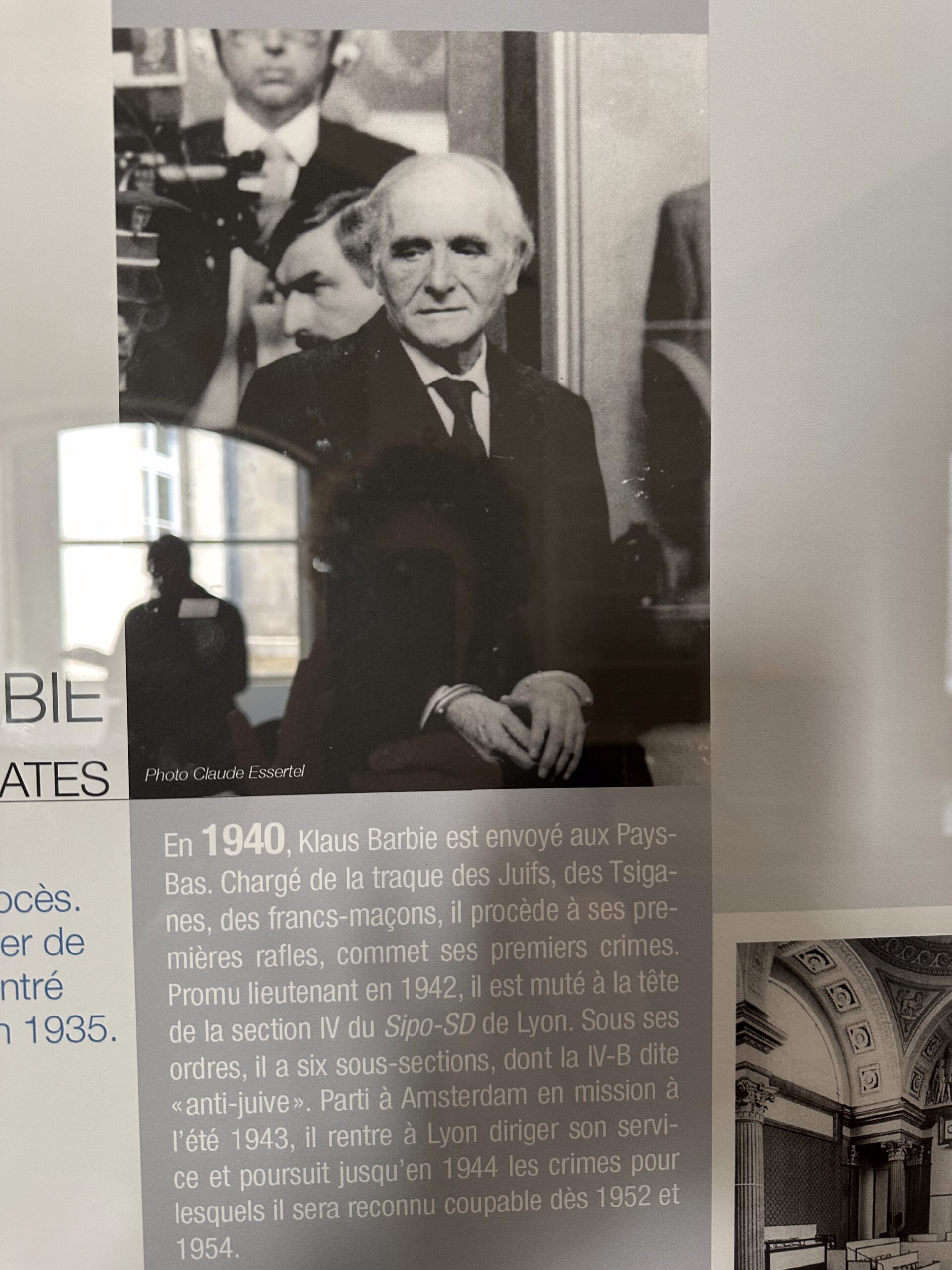
Lyon was occupied by Germany from 1940 until its liberation in 1944. If you visit the Resistance Museum, you learn that 1% to 3% of the population in occupied France resisted. This number sounds small until you read about the consequences of resisting. “They were killed (tortured first in many cases) for the smallest thing: singing the wrong song, being caught with a political flyer, smiling when confronted.” If 1% were closer to the true number, every one of those resisters is a hero. We are not there yet and hopefully never will be, but I contend, if you don’t use it, you lose it. How do we support each other to move from a place of passivity to one of activism? Hedwige, Bruno, Michele and Jackie were all moved by the information that there was a resistance movement happening. Hedwige planned to inform her friends including her American ones, and Michele and Jackie downloaded the information about Indivisible. It seems so simple and yet, so difficult.
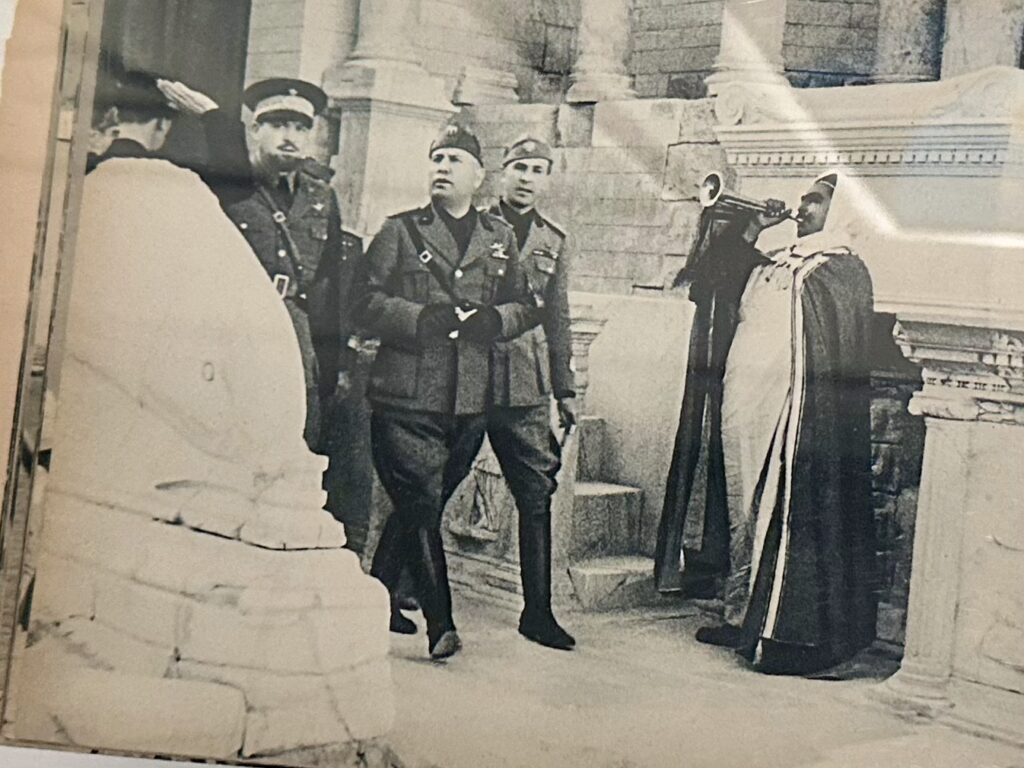
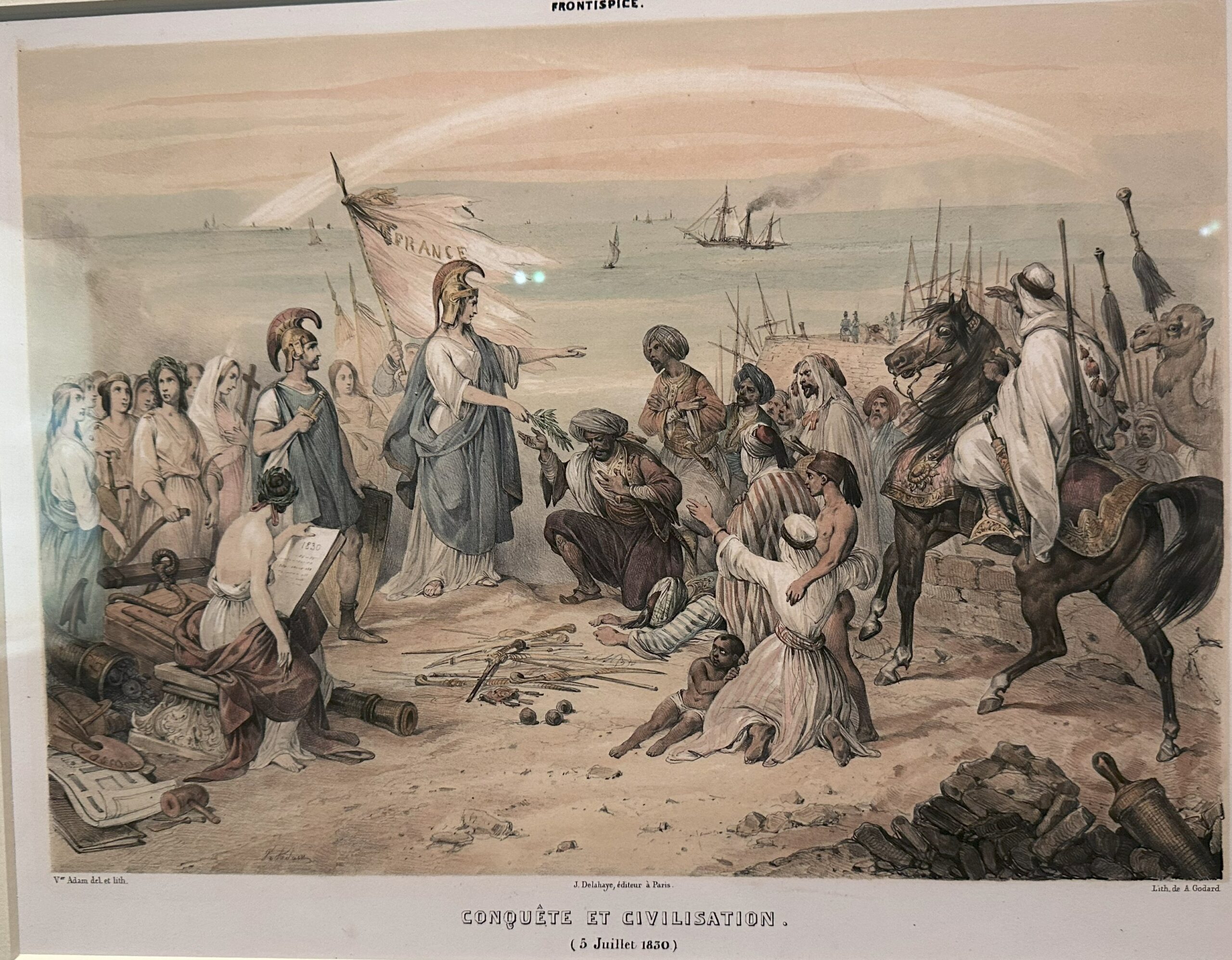
In the Mucem Marseille, I saw a beautiful exhibit about the Neoclassical period in Europe. All things Roman were quite the rage in the 18th and 19th centuries–architecture and fashion, for example. There was a dark side. Mussolini justified Italy’s invasion of Libya because it was once part of ancient Rome. France justified its conquest of Algeria which lasted from 1830 to 1903 as taming the Barbary pirates, which translated to taming the “inferior hordes”. Of course, we understand this kind of imperialist mindset. What was remarkable to me in this moment was the willingness of the French to turn a critical eye toward their own dubious history in order not to repeat it. Would you find such an exhibit in Trump’s America? The extent of what we risk losing boggles the imagination. But it doesn’t have to be so. The end of the story is not written yet. Let’s make sure we can say, whatever happens, I paid attention and tried to make a difference.
Abbaye de Thoronet
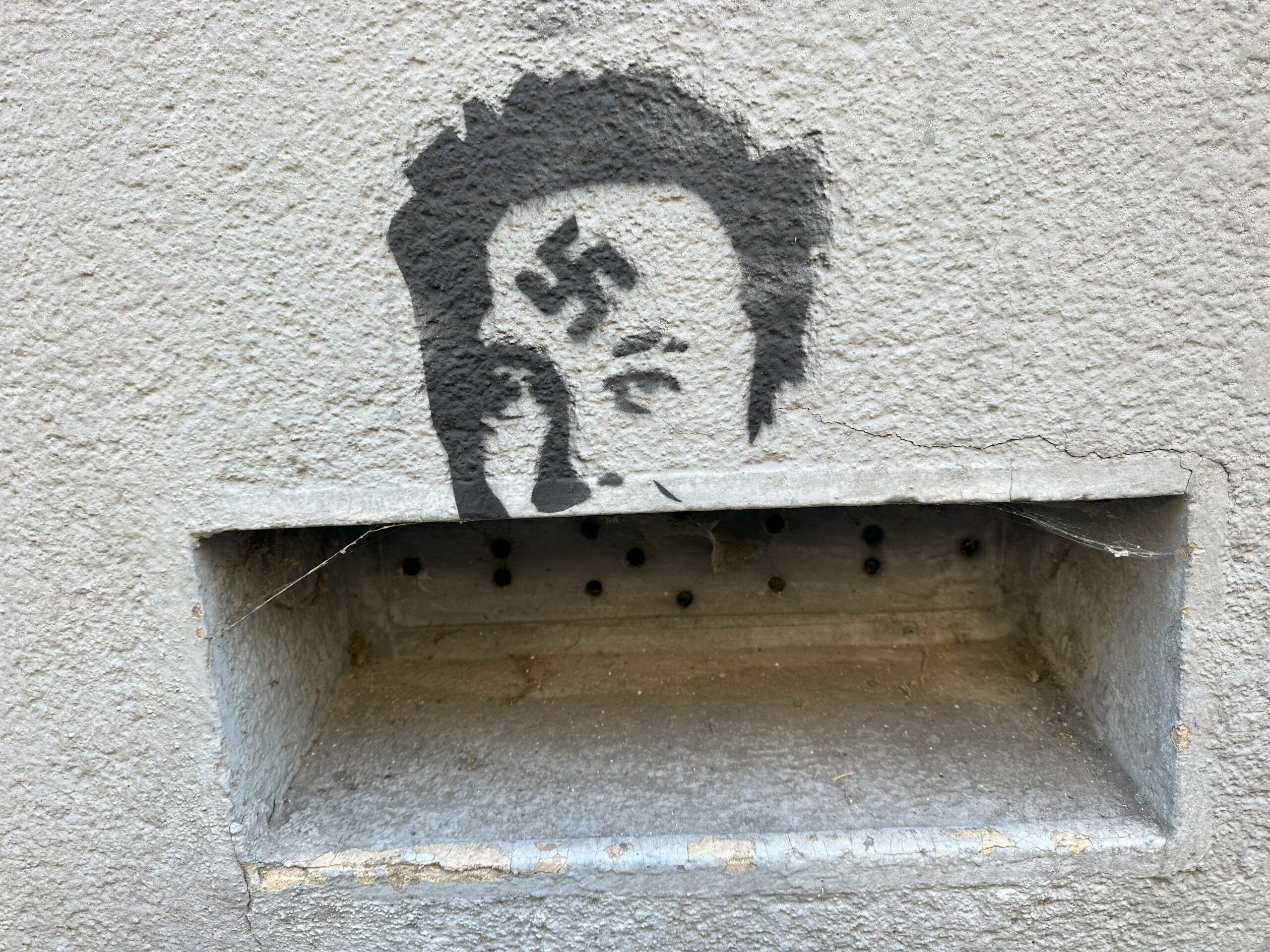
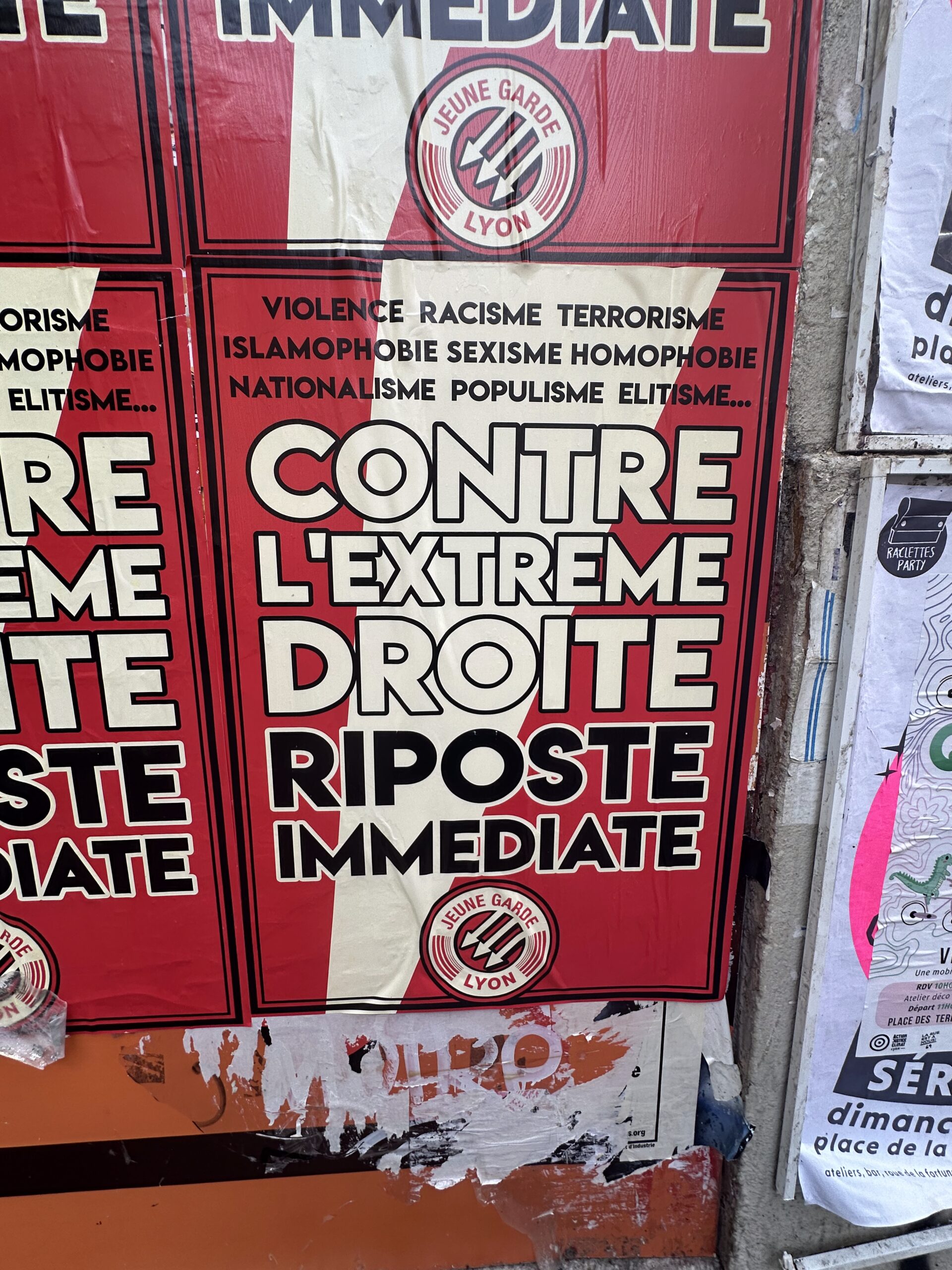
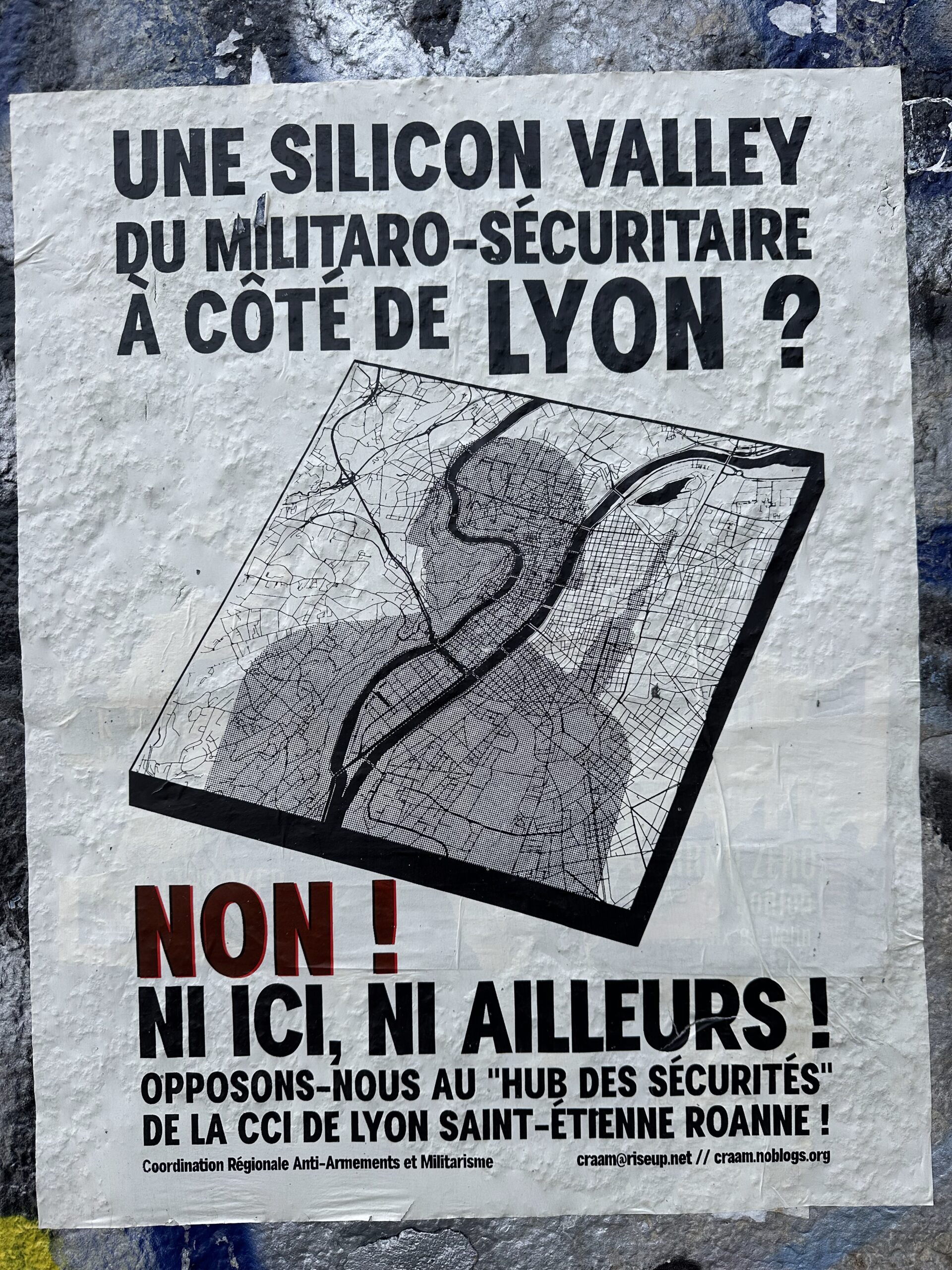
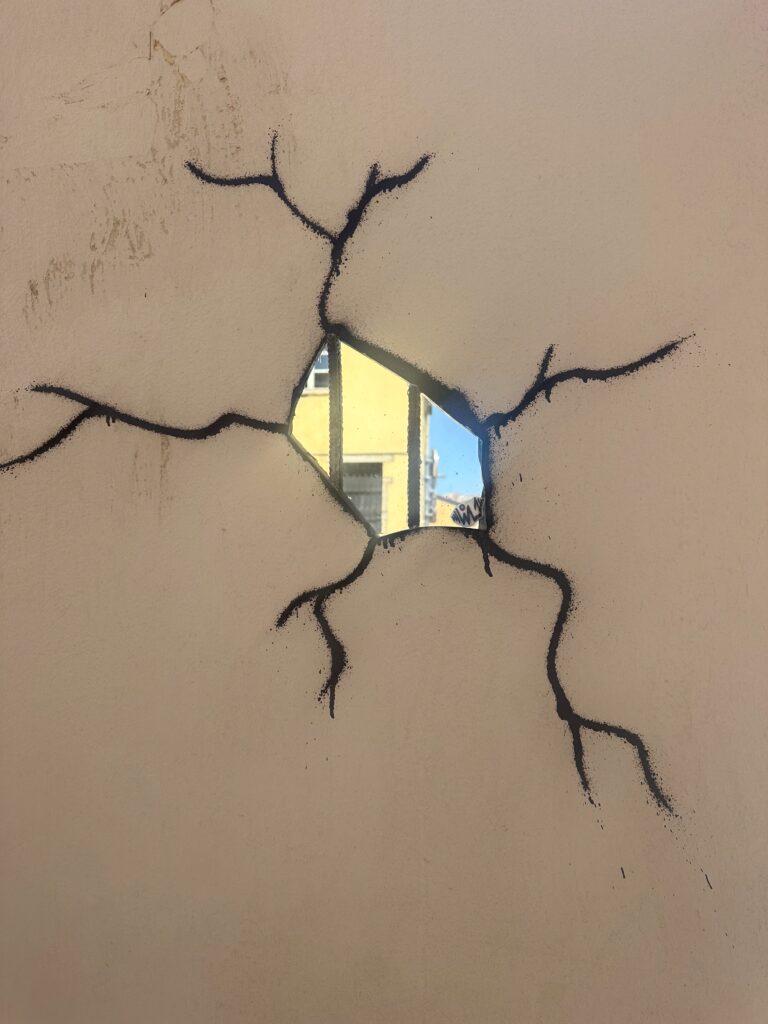
street graffiti in Lyon
Klaus Barbie at Resistance Museum in Lyon
Mussolini in Libya
poster of France conquering Algeria in 1830
Resistance posters as seen on the street in Lyon, 2025
The beauty I promised you. After all, this is France.
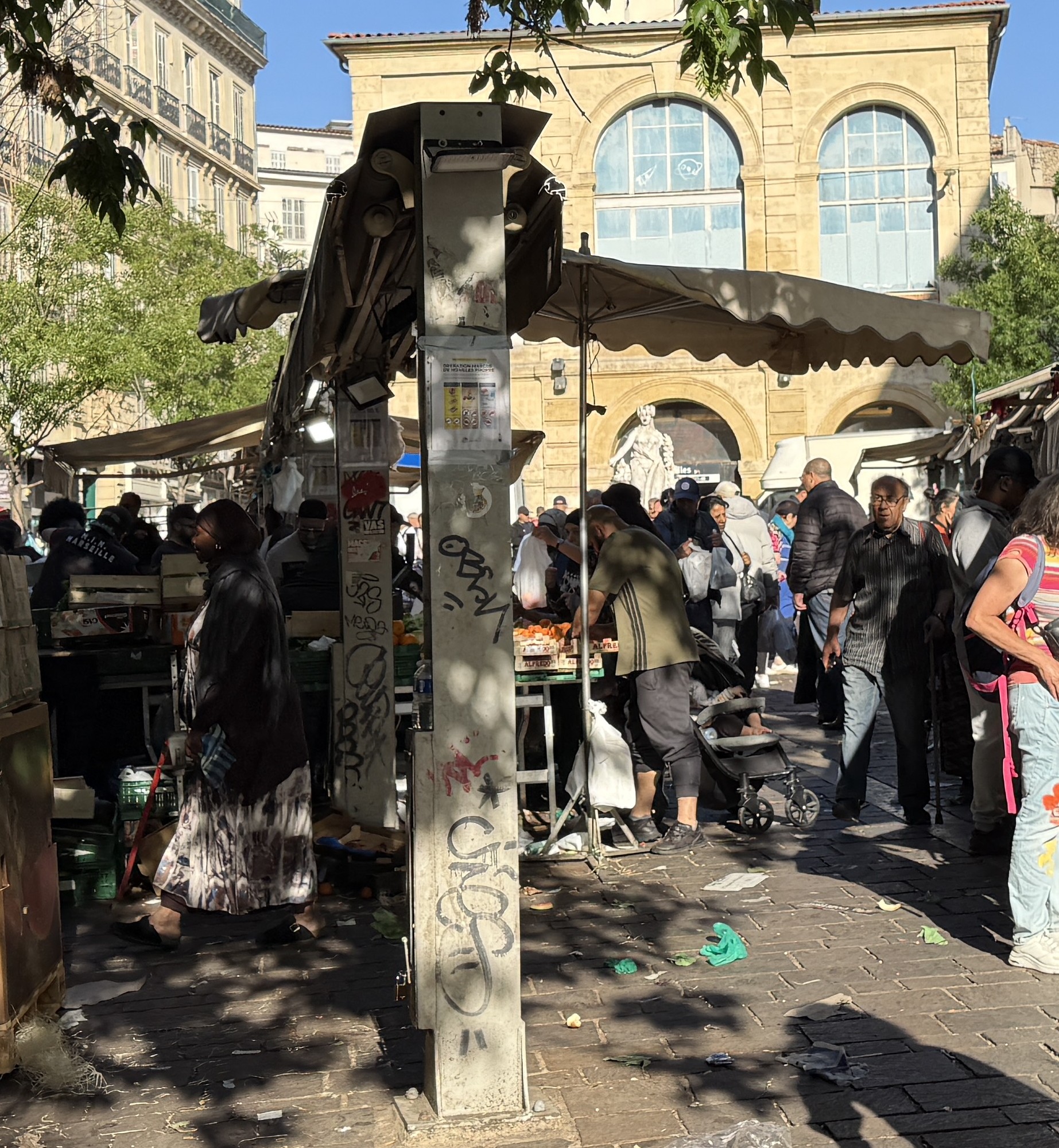
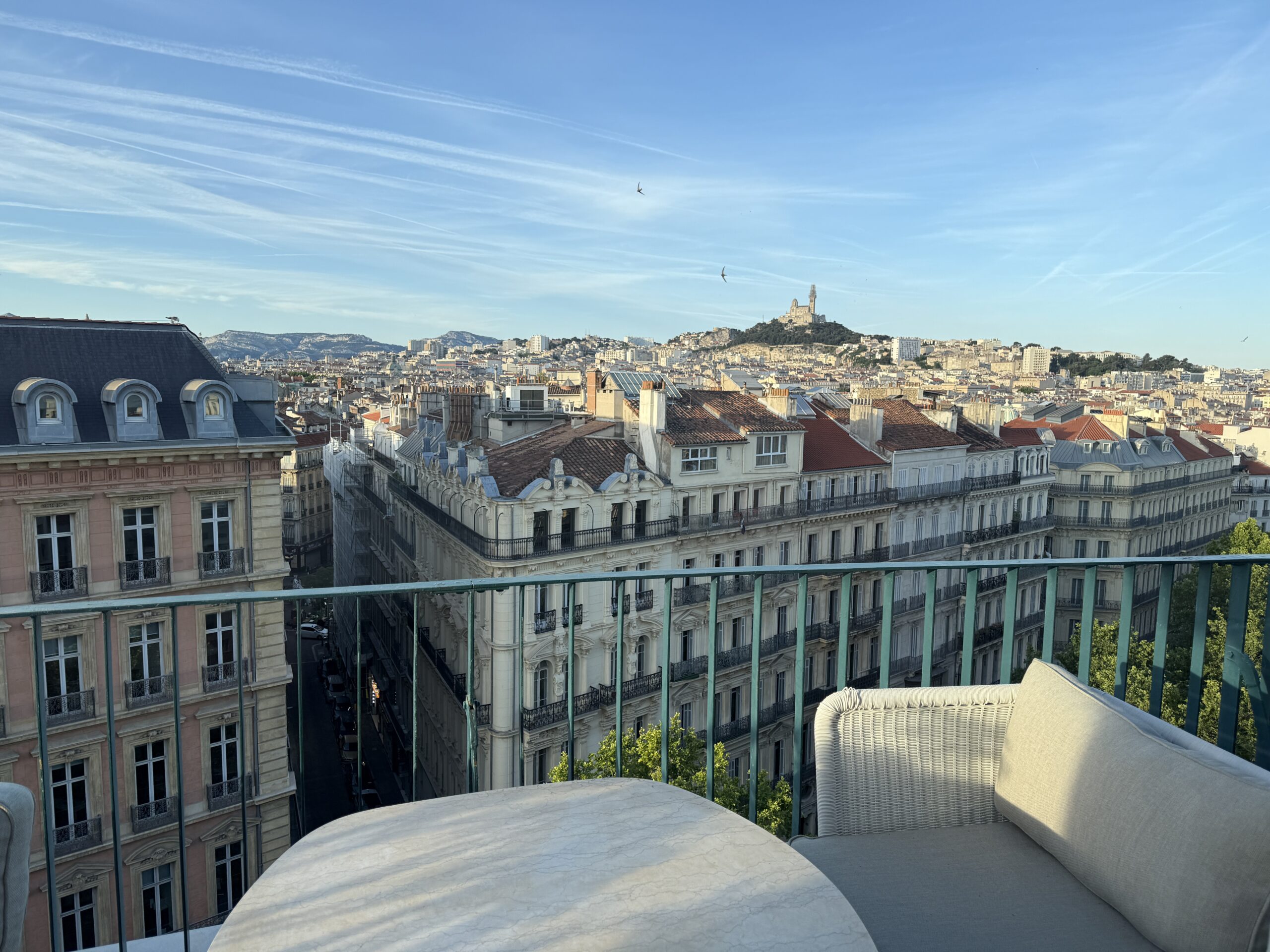
We’re staying on the 8th floor in a tall building on the main drag in this town. Think 42nd Street but with trolleys. We’re around the corner from a street food market that seems quite North African, never mind that it’s in front of a statue of some Greek lady.
I like the prices at closing time so I go in the late afternoon. The lamb is best for meat and of course fish are the emblem of this town. The fish soup called “soup rouge” made with tiny sea animals, is wonderful.
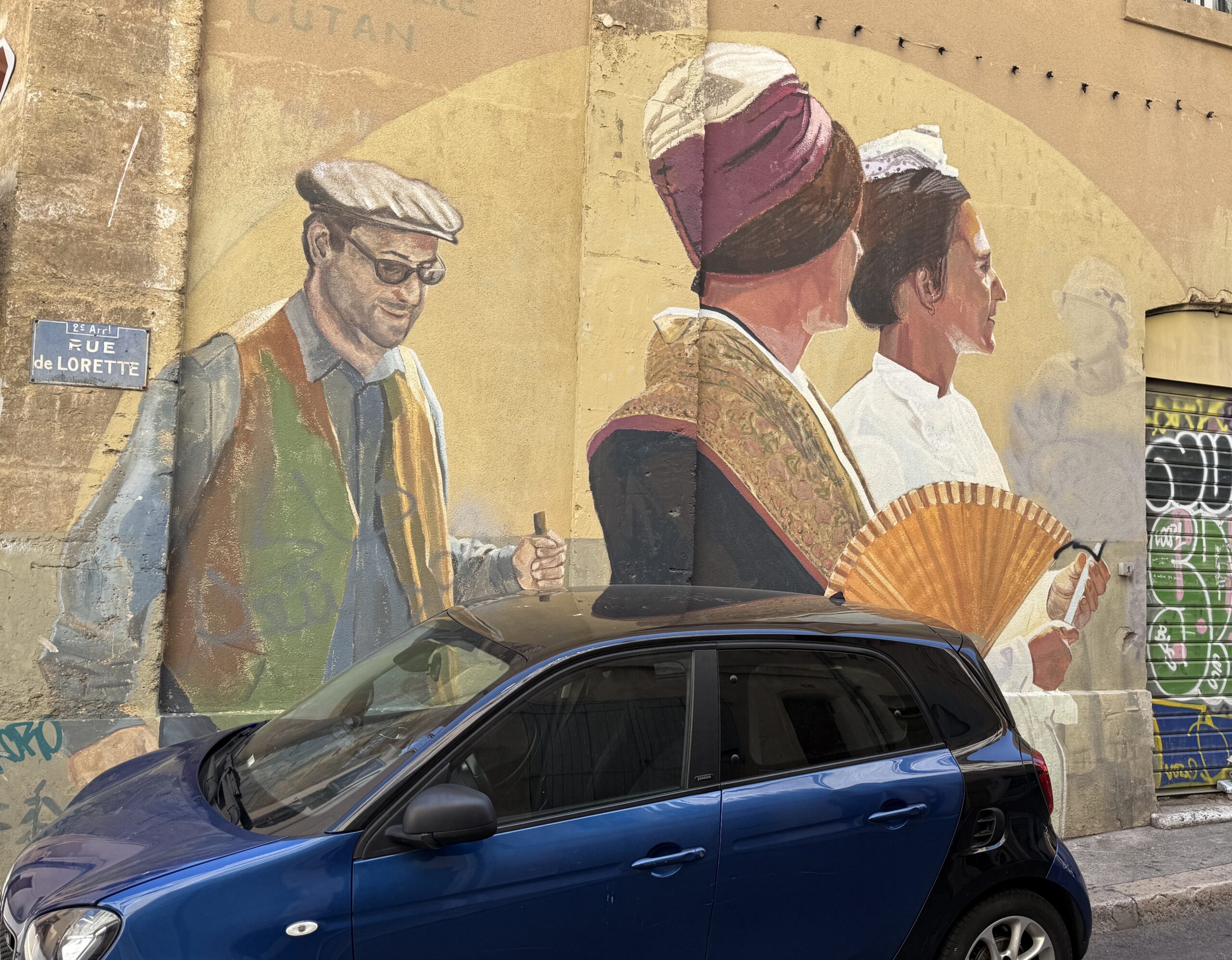
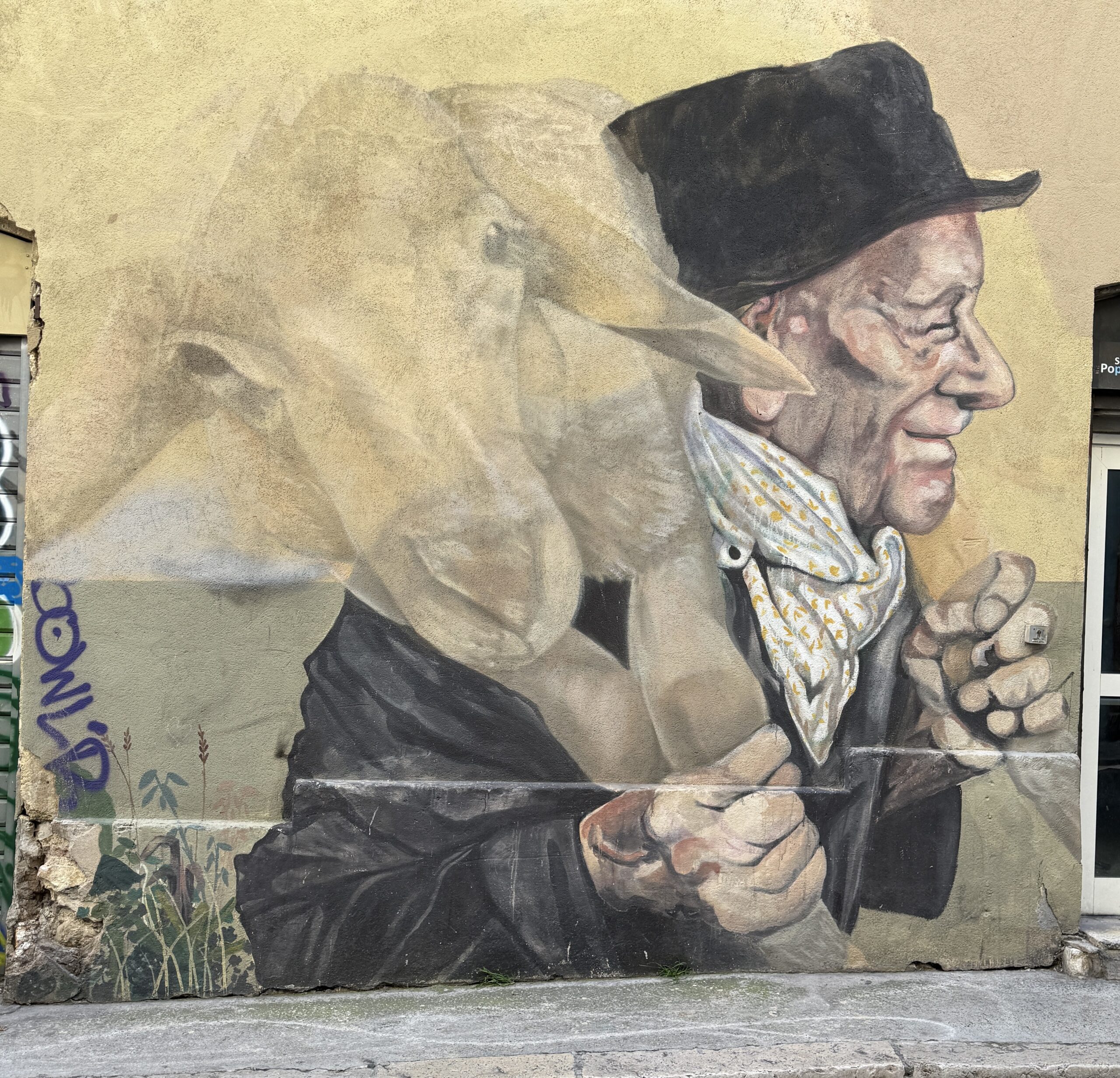
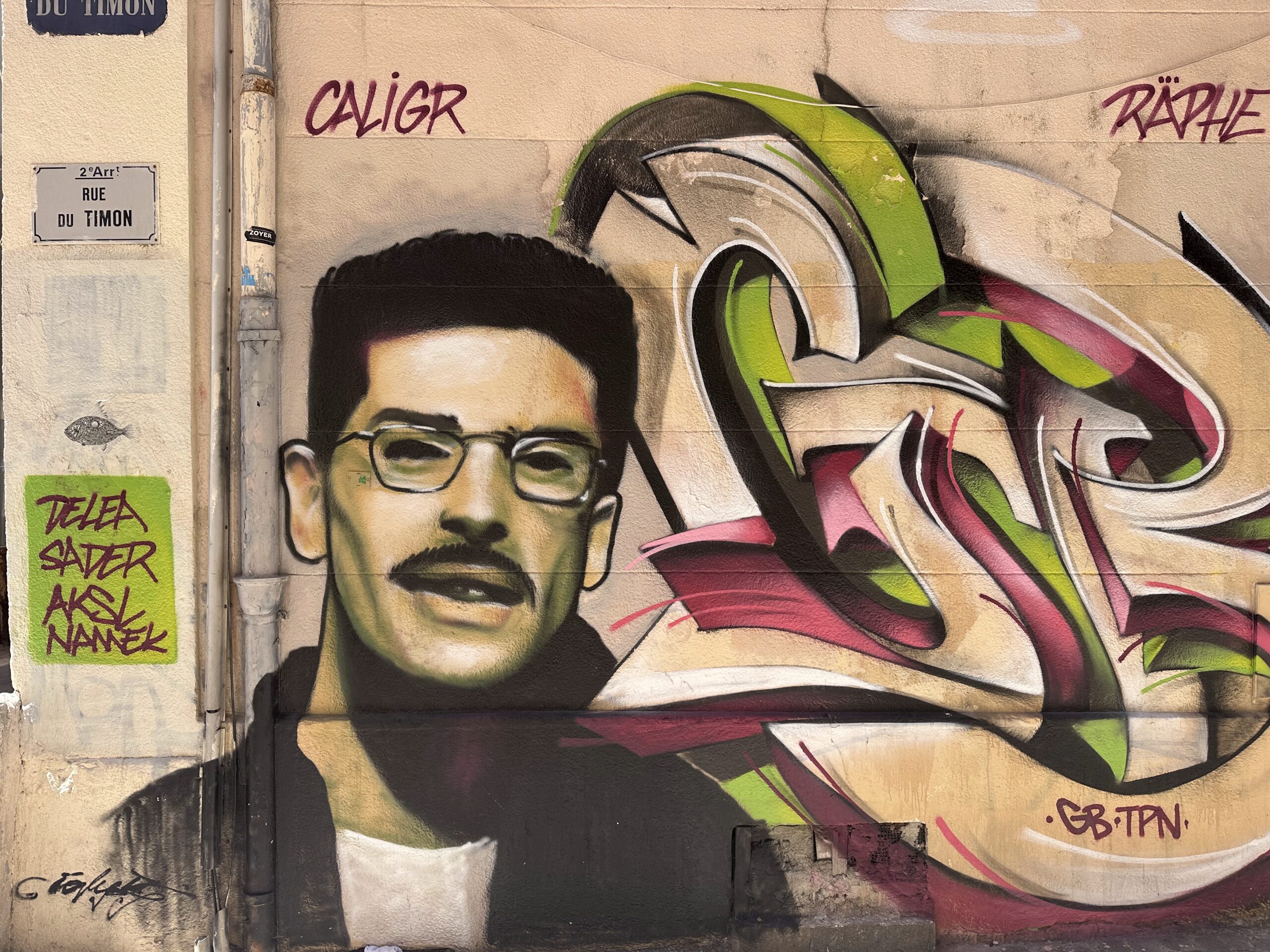
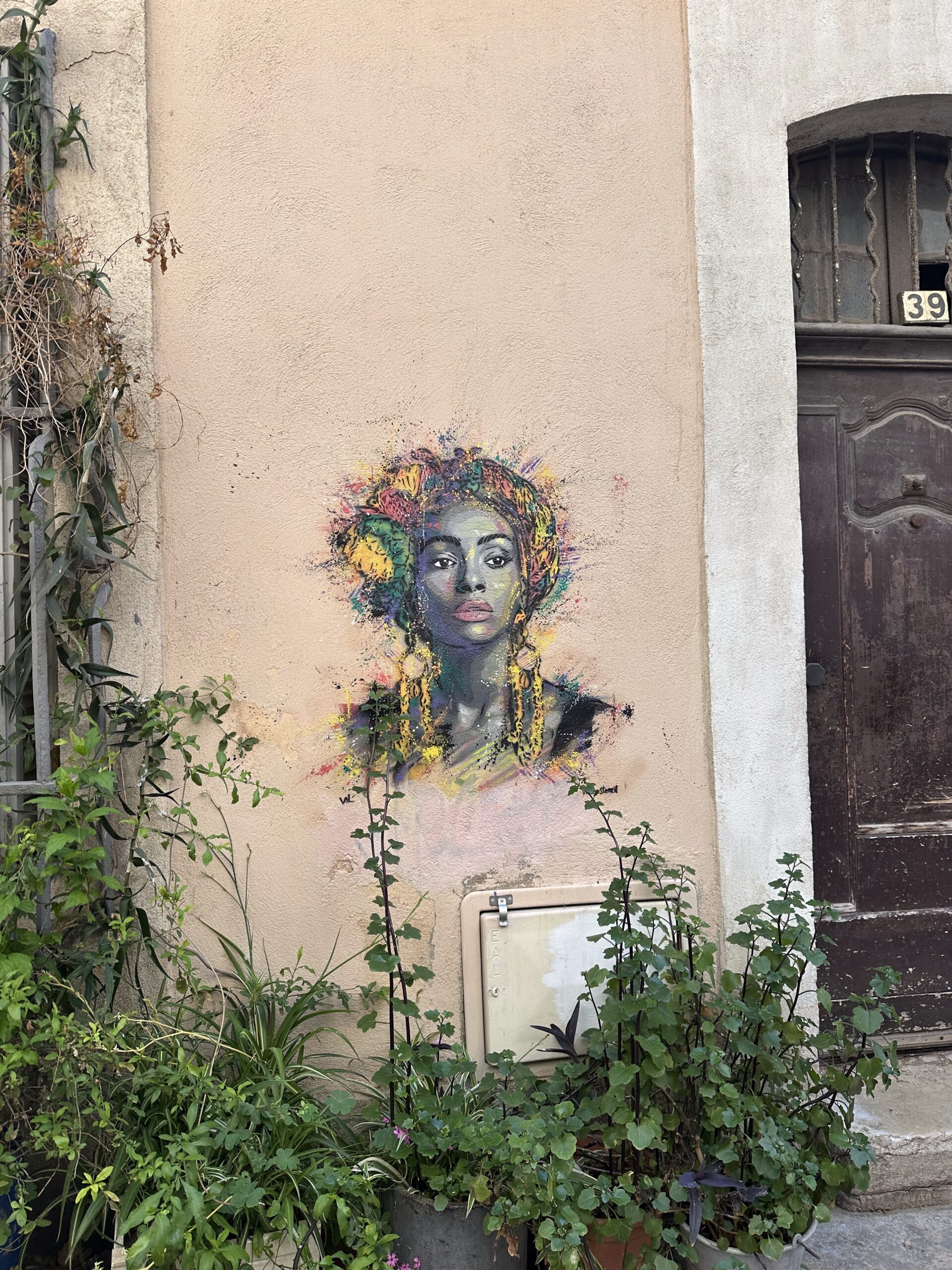
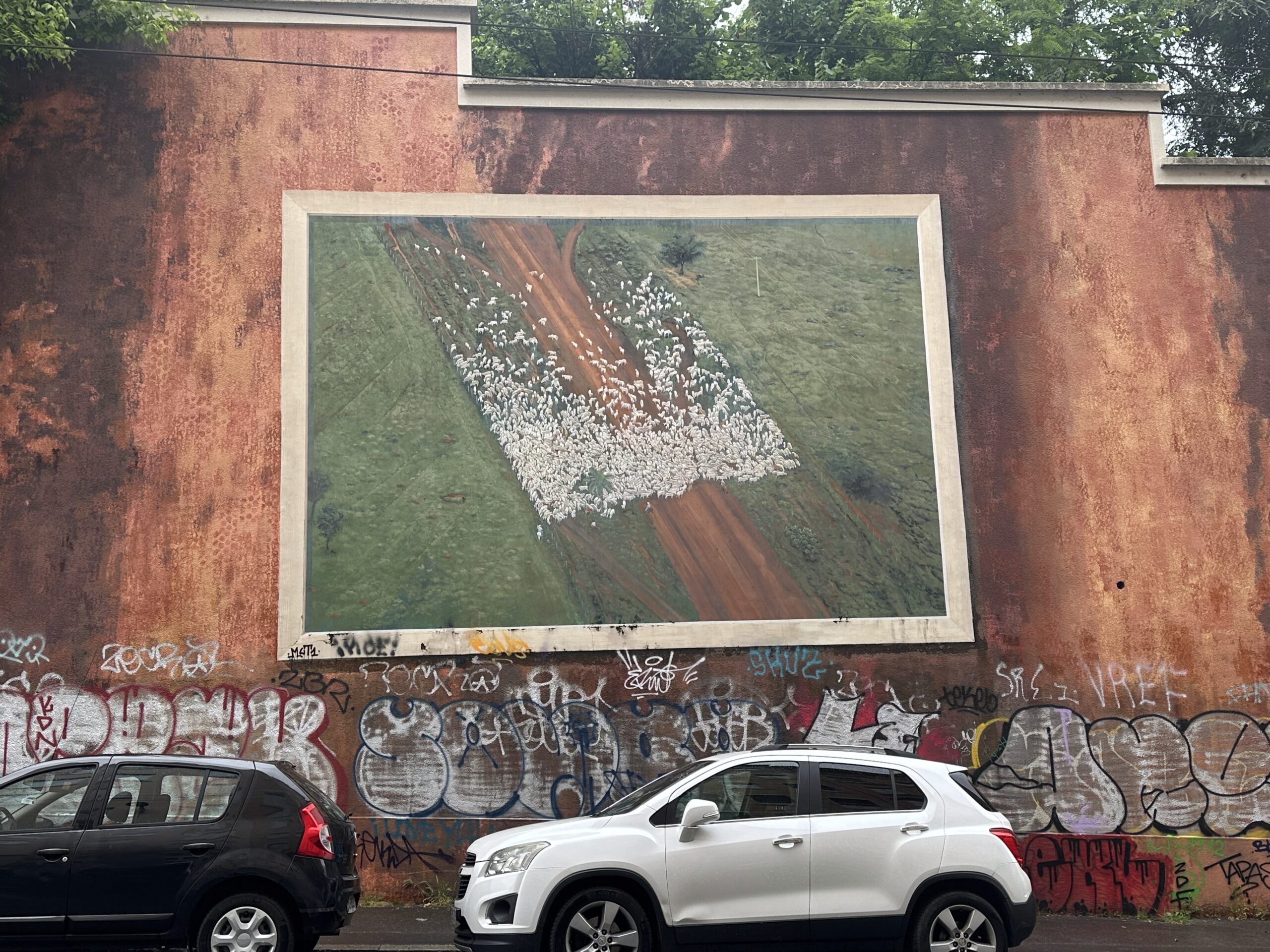
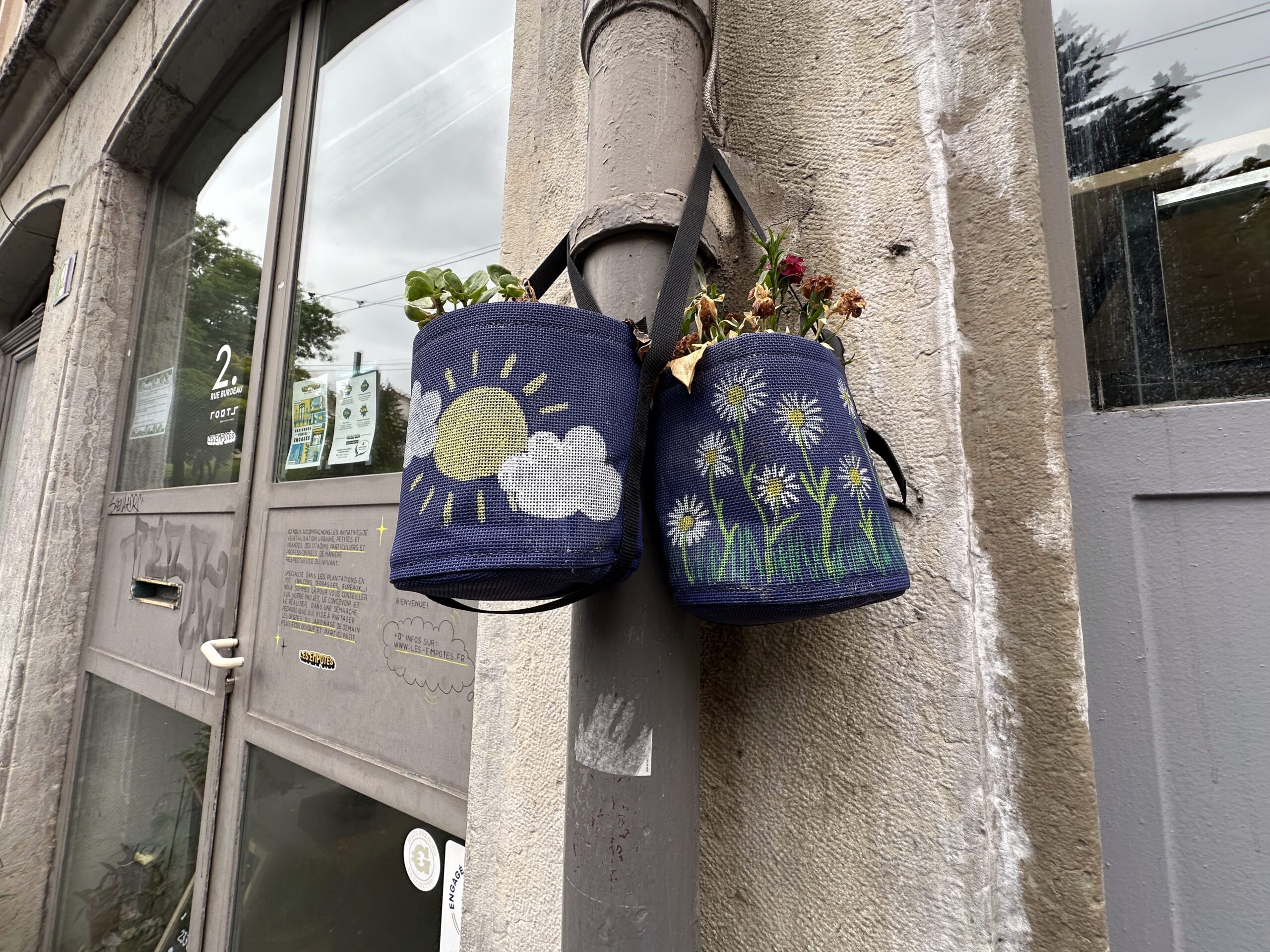
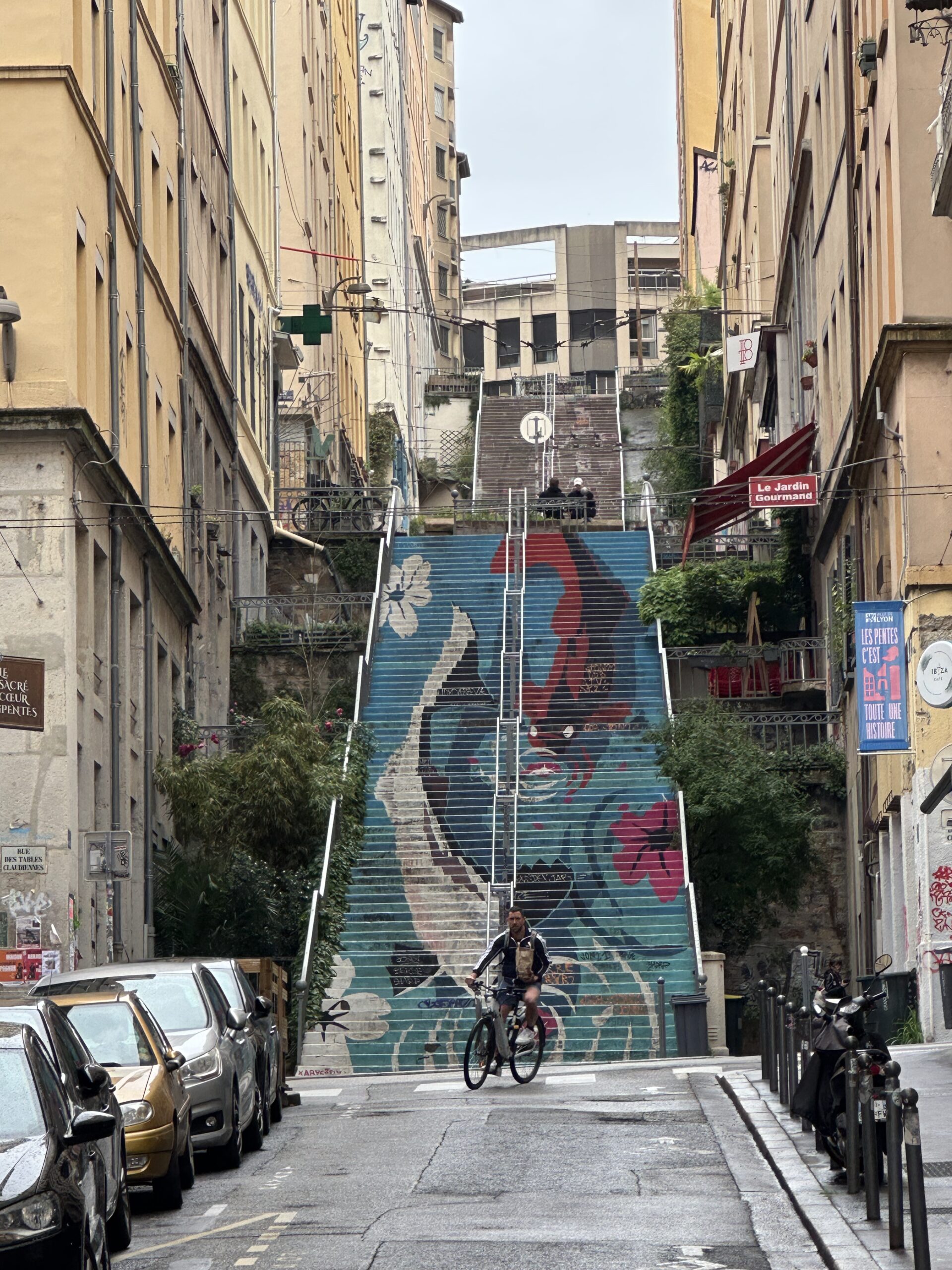
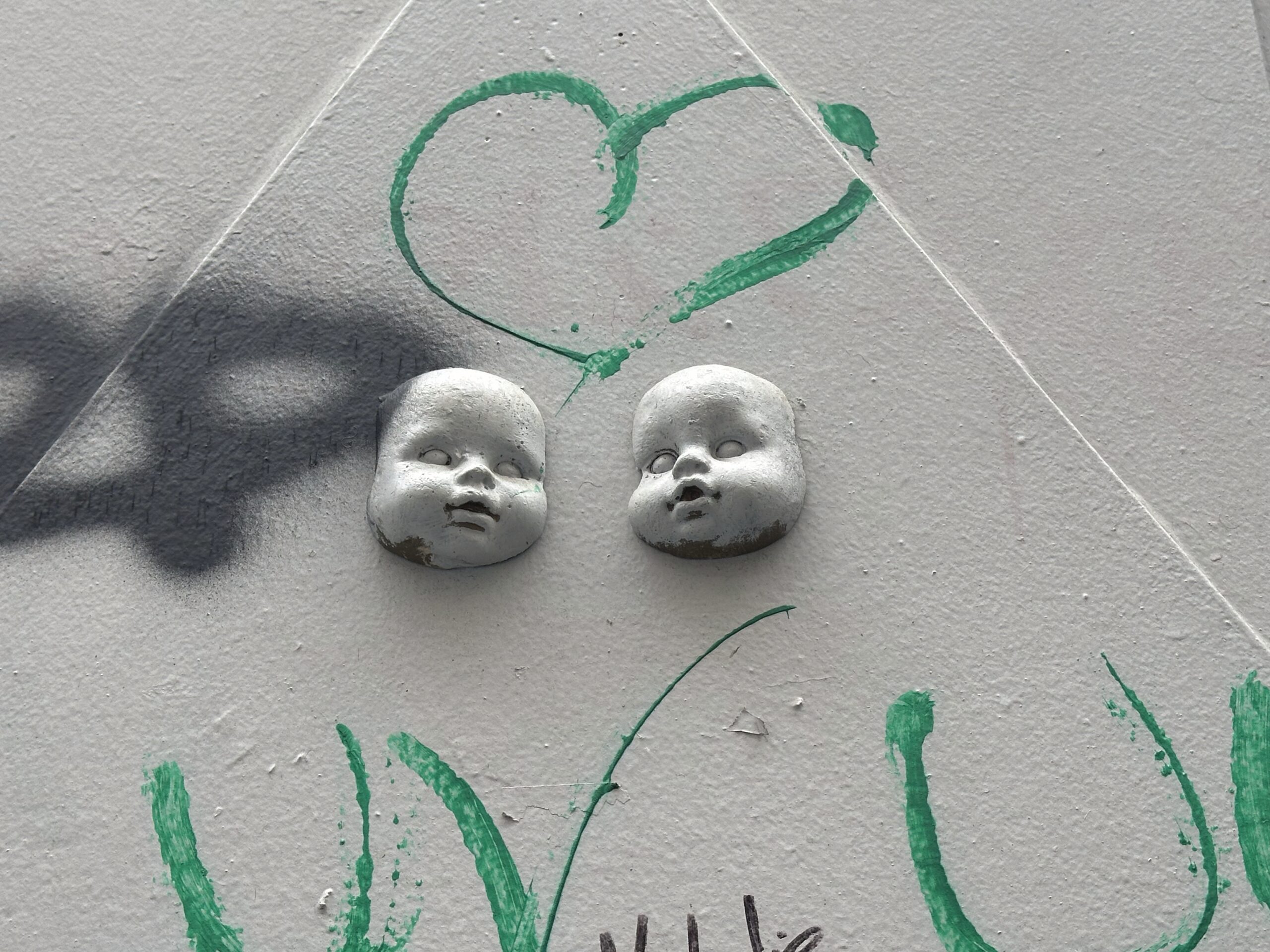
This New Yorker is happy to finally be in a dense population. The street art is breathtaking, with an excellent signal-to-noise ratio.
I can’t show photos of our excellent airbnb because it belongs to designers and I don’t want to invade their privacy, but I must say the place is beautiful, the colors perfectly chosen, with stylish furniture.
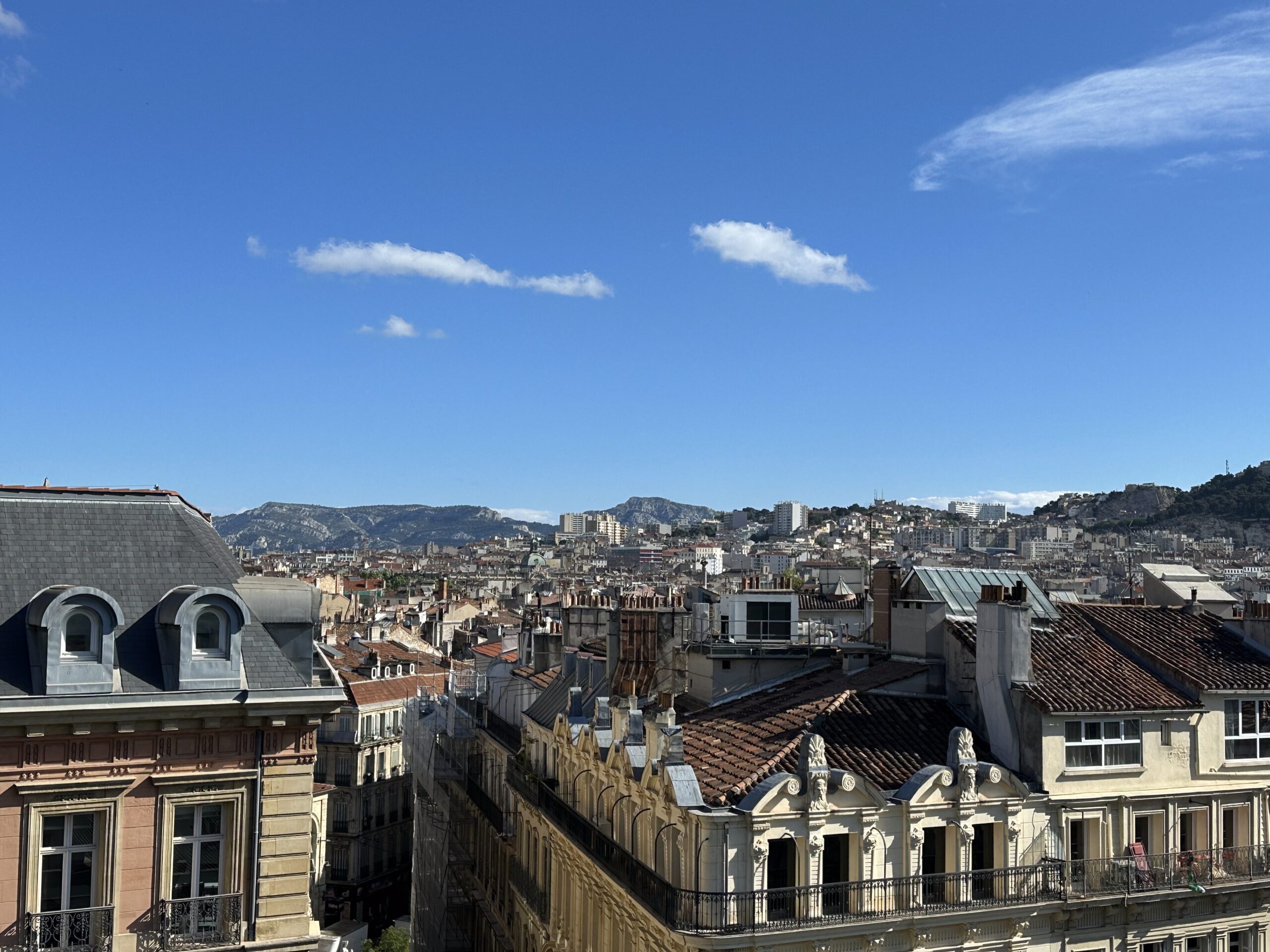
The views are spectacular. If it has to be airbnb, it’s best to stay in primary residences as opposed to those Ikea wonders designed for income.
Among other attractions, Lyon is famous for a class of inexpensive restaurants called “bouchons.” Literally meaning “cork”, a bouchon usually features a traditional menu at an affordable price. Some of them are over 100 years old. Others fostered many famous chefs as apprentices.
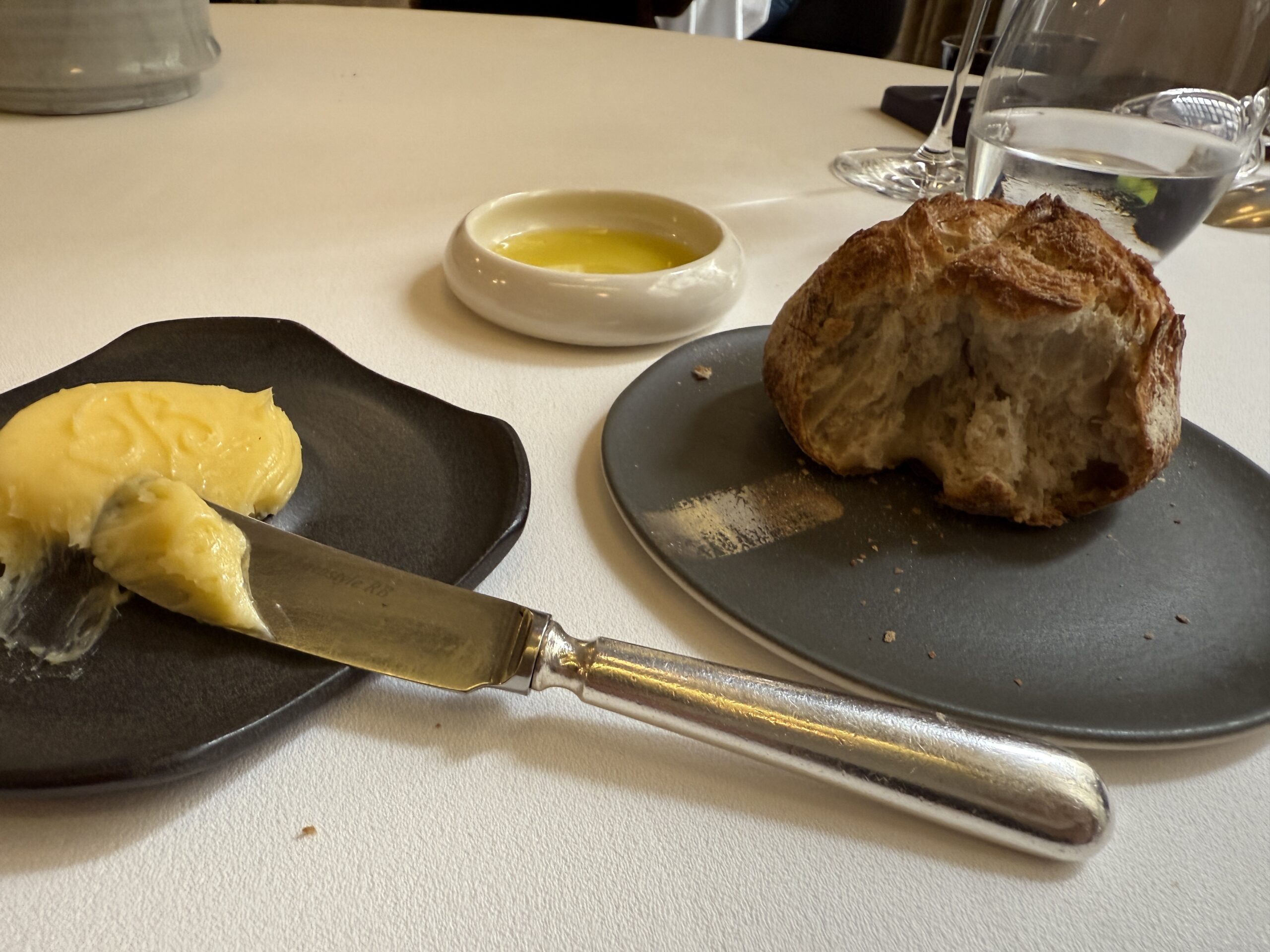
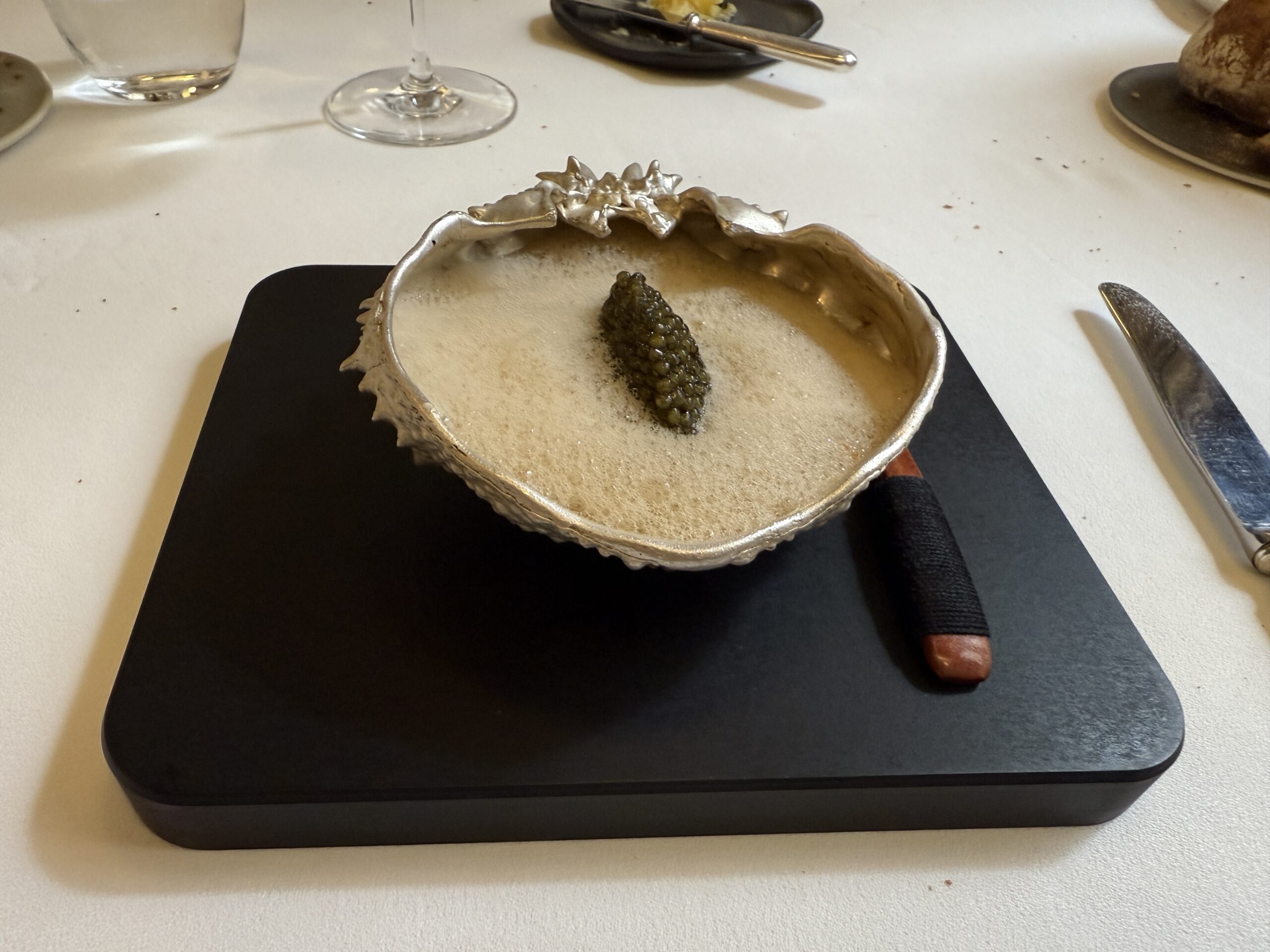
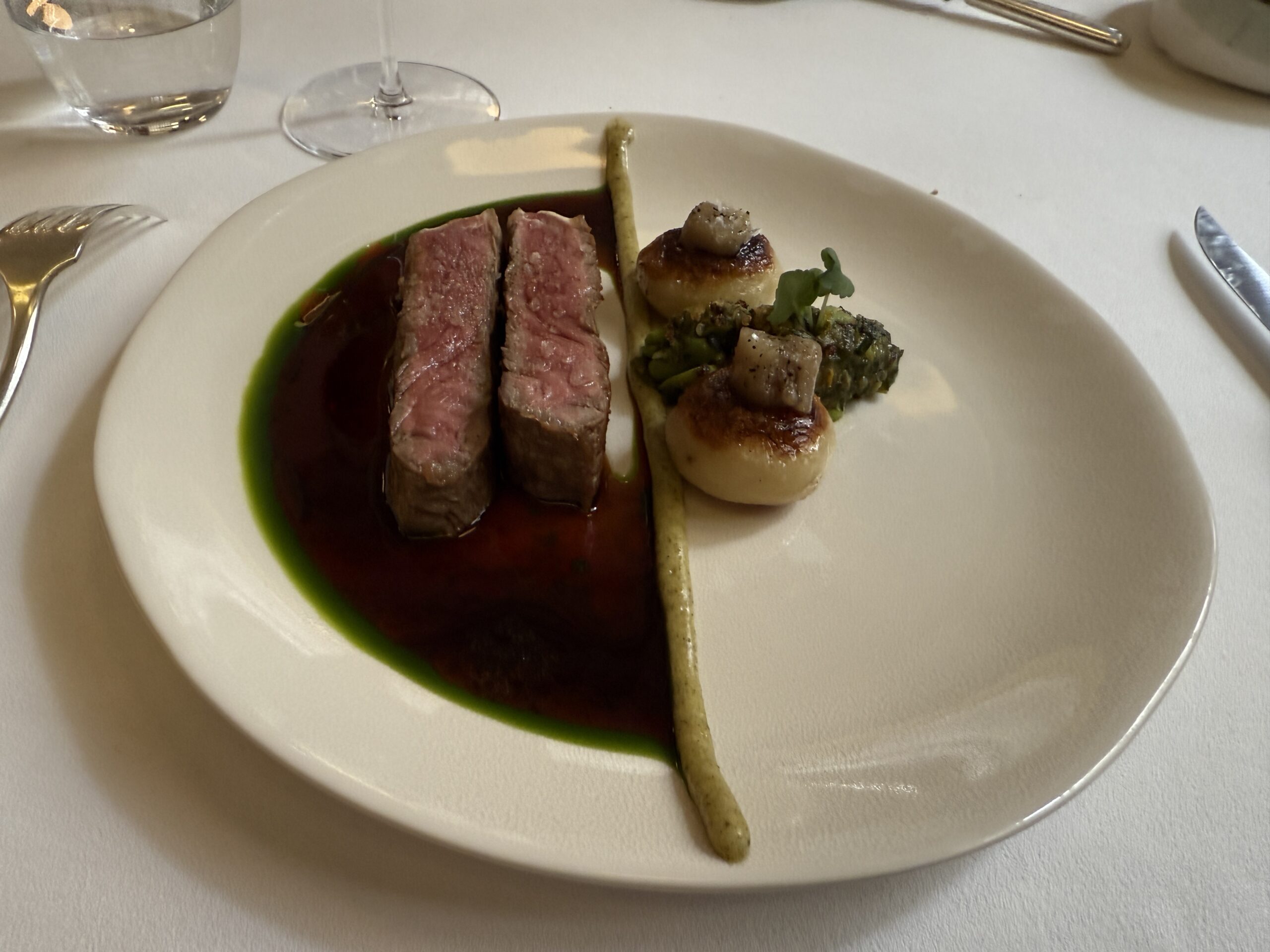
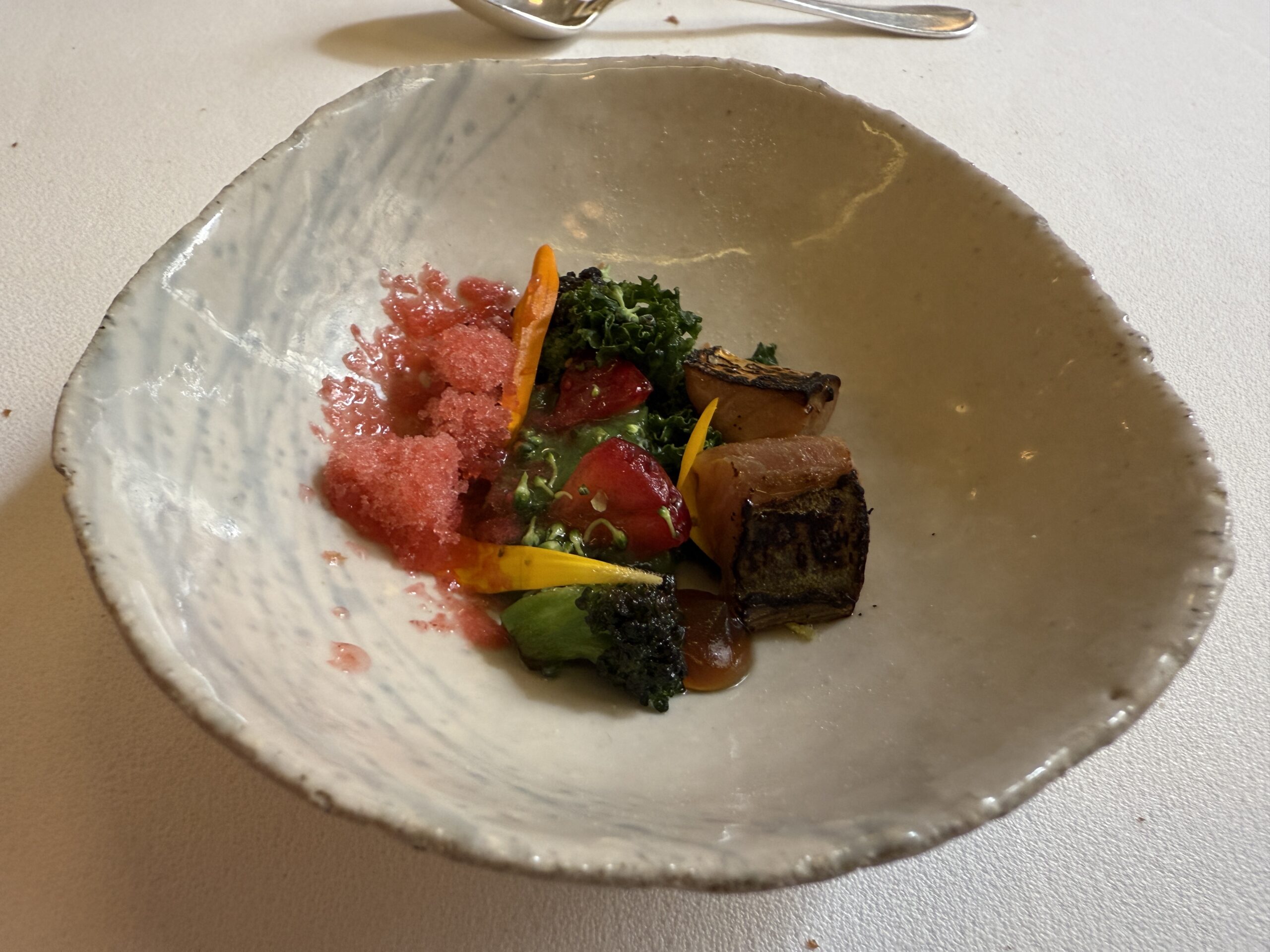
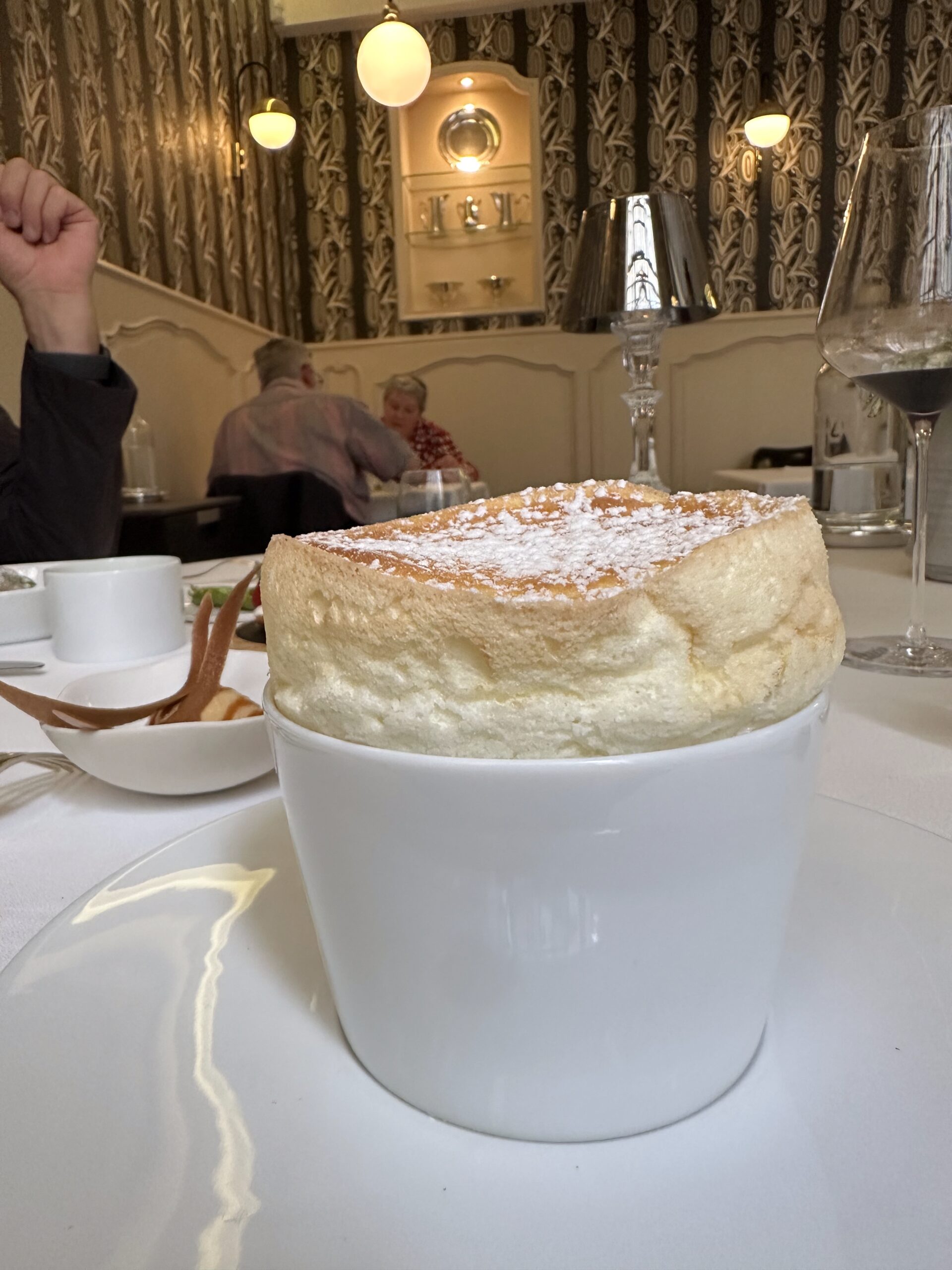
At the top of the bouchon food chain is La Mère Brazier, named for the formidable founder Eugénie Brazier. She used to own two restaurants and both were awarded three Michelin stars, the only chef to accomplish this in history. After she died, one shop closed and the other was busted to two stars. We had lunch there and it was easily one of the best meals of my life. We ordered two choices of each course and shared them.
Appies – Spider crab and crab with condiments, shell emulsion and Oscetra caviar – Roasted white asparagus and confit egg, morel mushroom stew with sorrel
Mains – Crispy pike bread and smoked eel, nettle coulis – Mézenc sirloin, baby potatoes with marrow and broad beans, lemon balm and savory Béarnaise sauce
Desserts – Lemon soufflé, Speculoos and vanilla lemon confit, caramel ice cream, Muscovado sugar crisp – Green anise shortbread, strawberries and peas, Strawberry sorbet, pod emulsion and Greek yogurt, Pea pod confit with mint, brined lemon
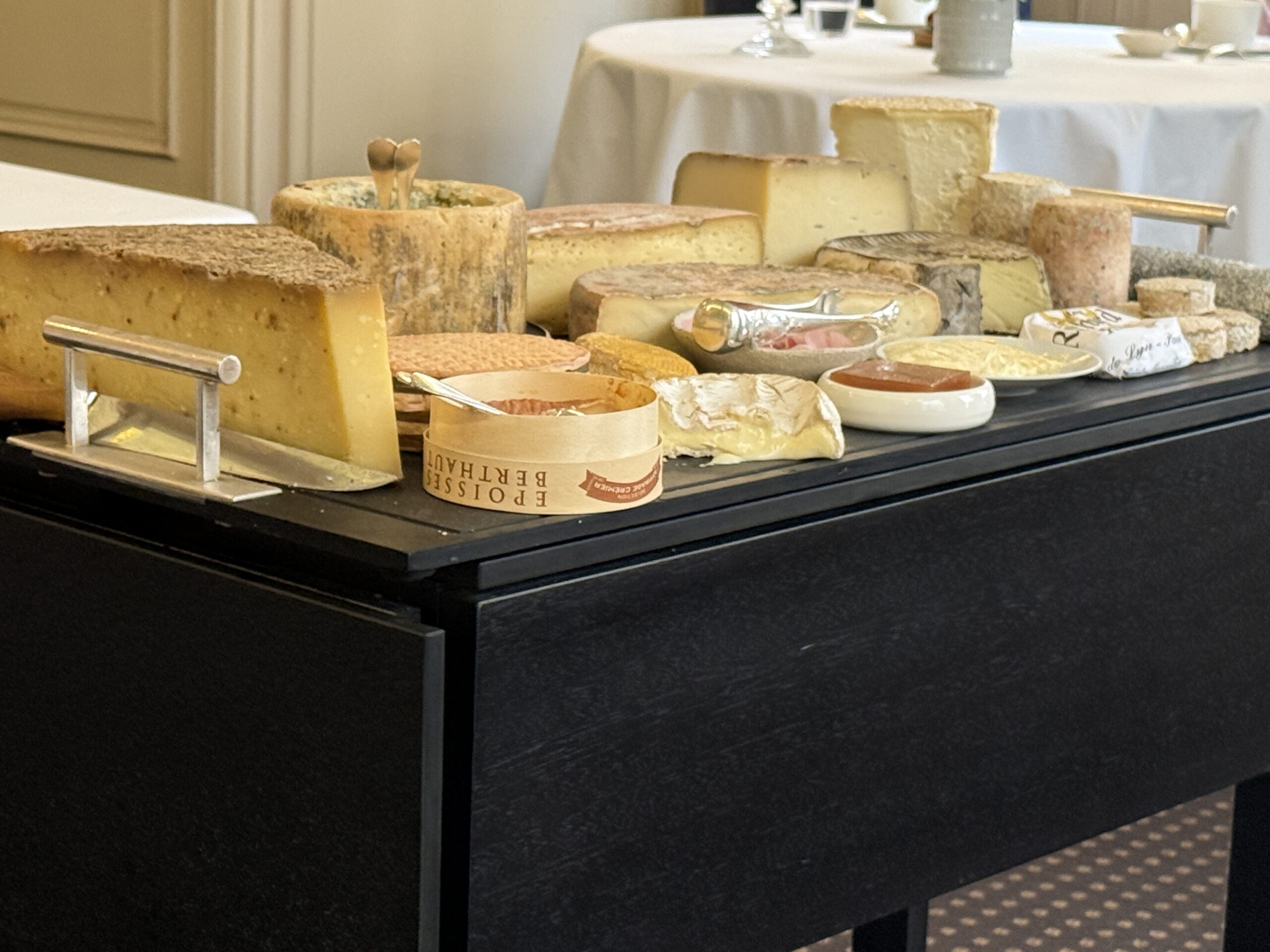
We skipped the cheese course.
The Michelin 2 Mere Brazier and the humble place we discuss next is not fair. The budgets are different by 2.5x, the level of service, the servers per diner, the decor, and the ingredients are all wildly different. The very goals of these two places are different.
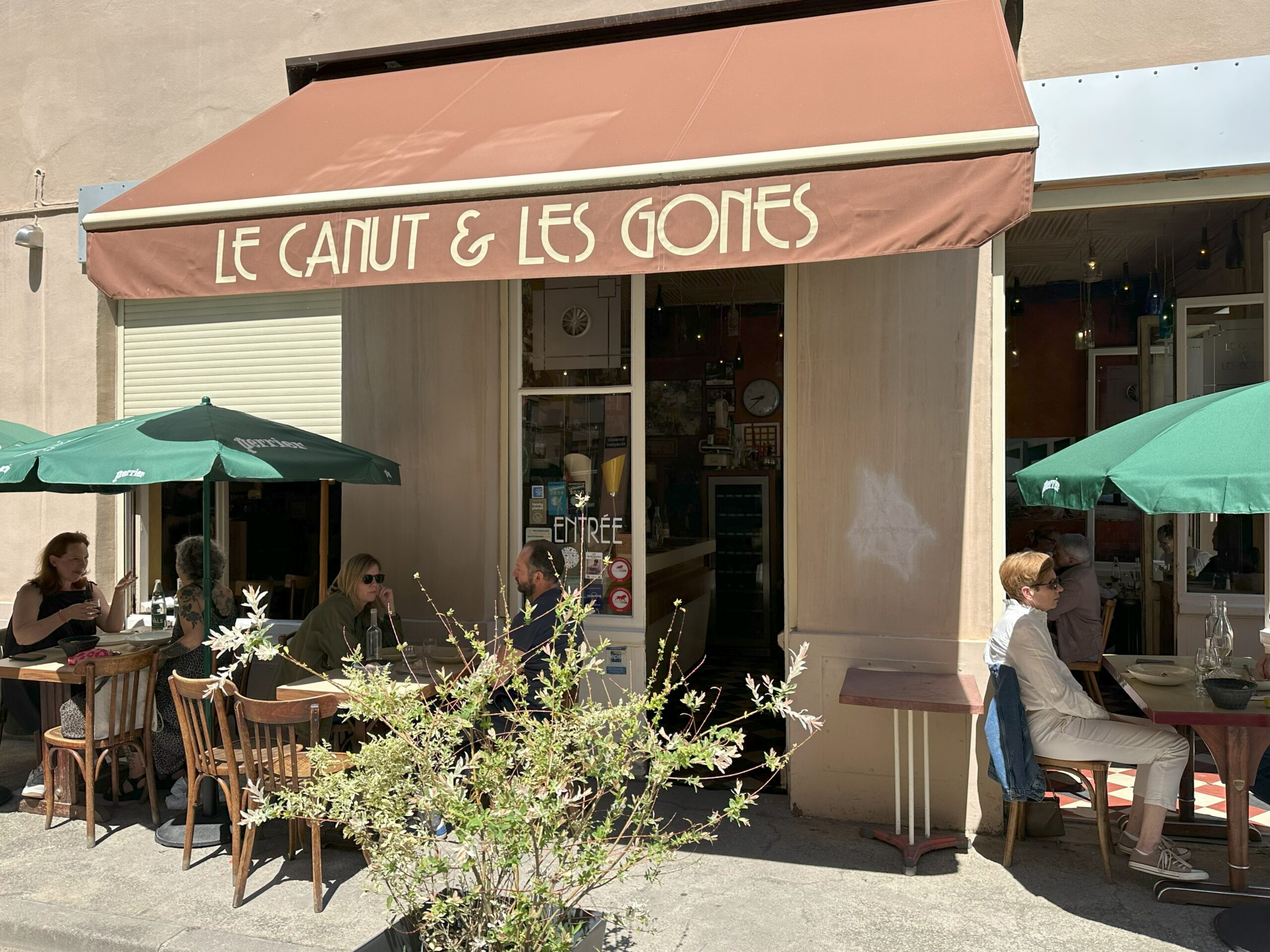
Our favorite humble bouchon is called Le Canut et les Gones. Canuts were silk workers and Gones means kids or waifs. They hired a Japanese chef, Junzo Matsuno, who is amazingly creative.
Reverse Engineering
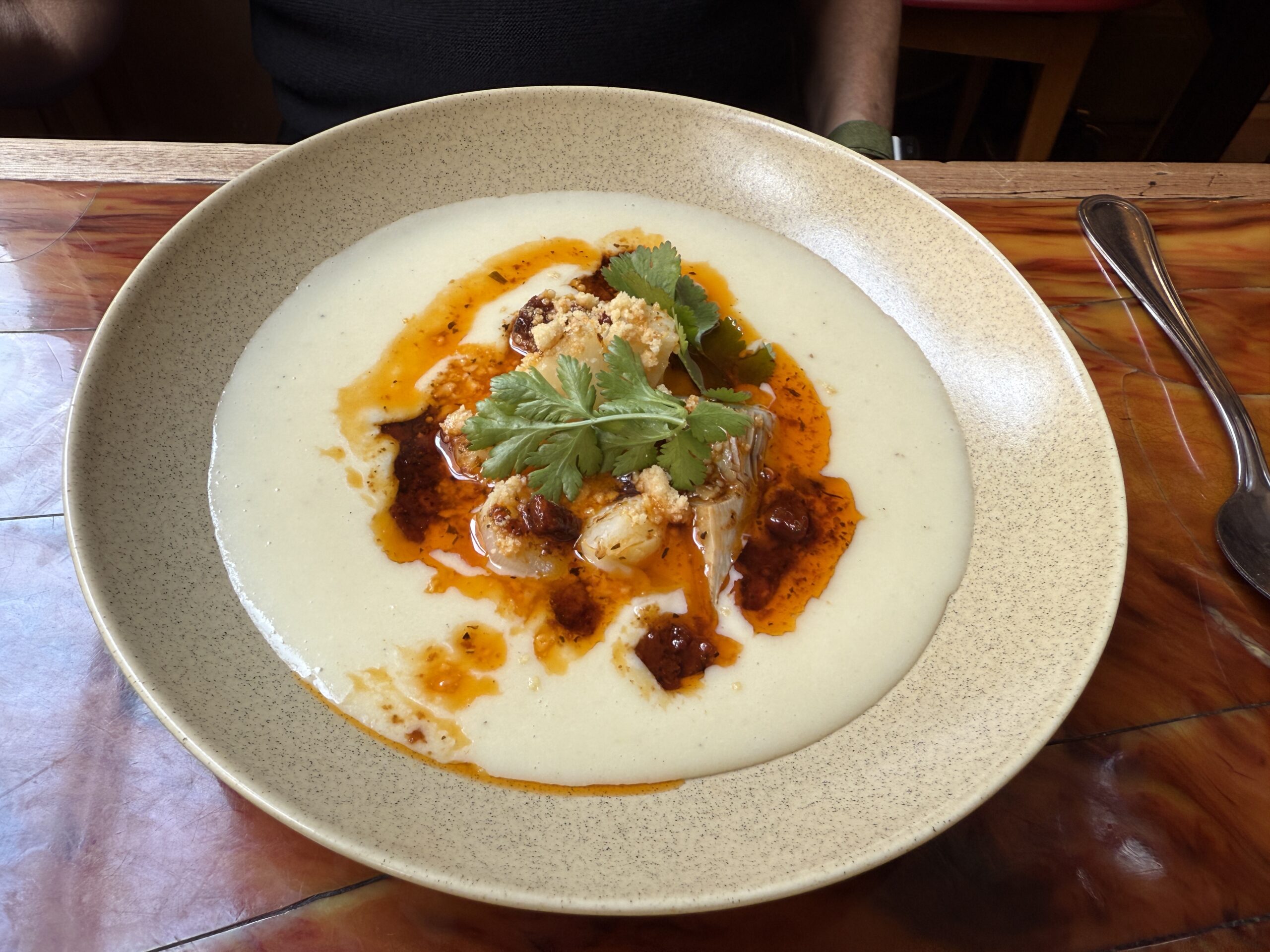
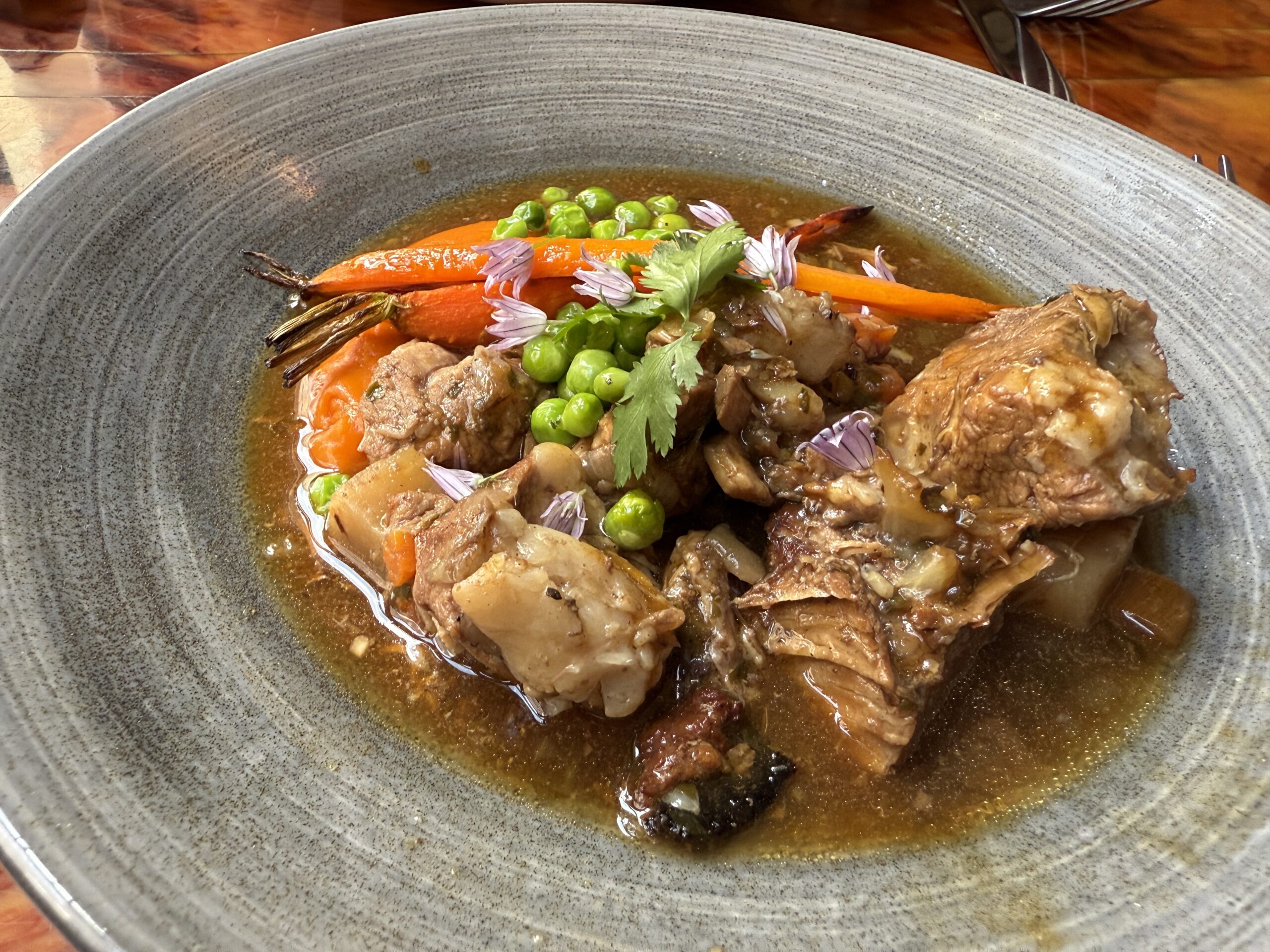
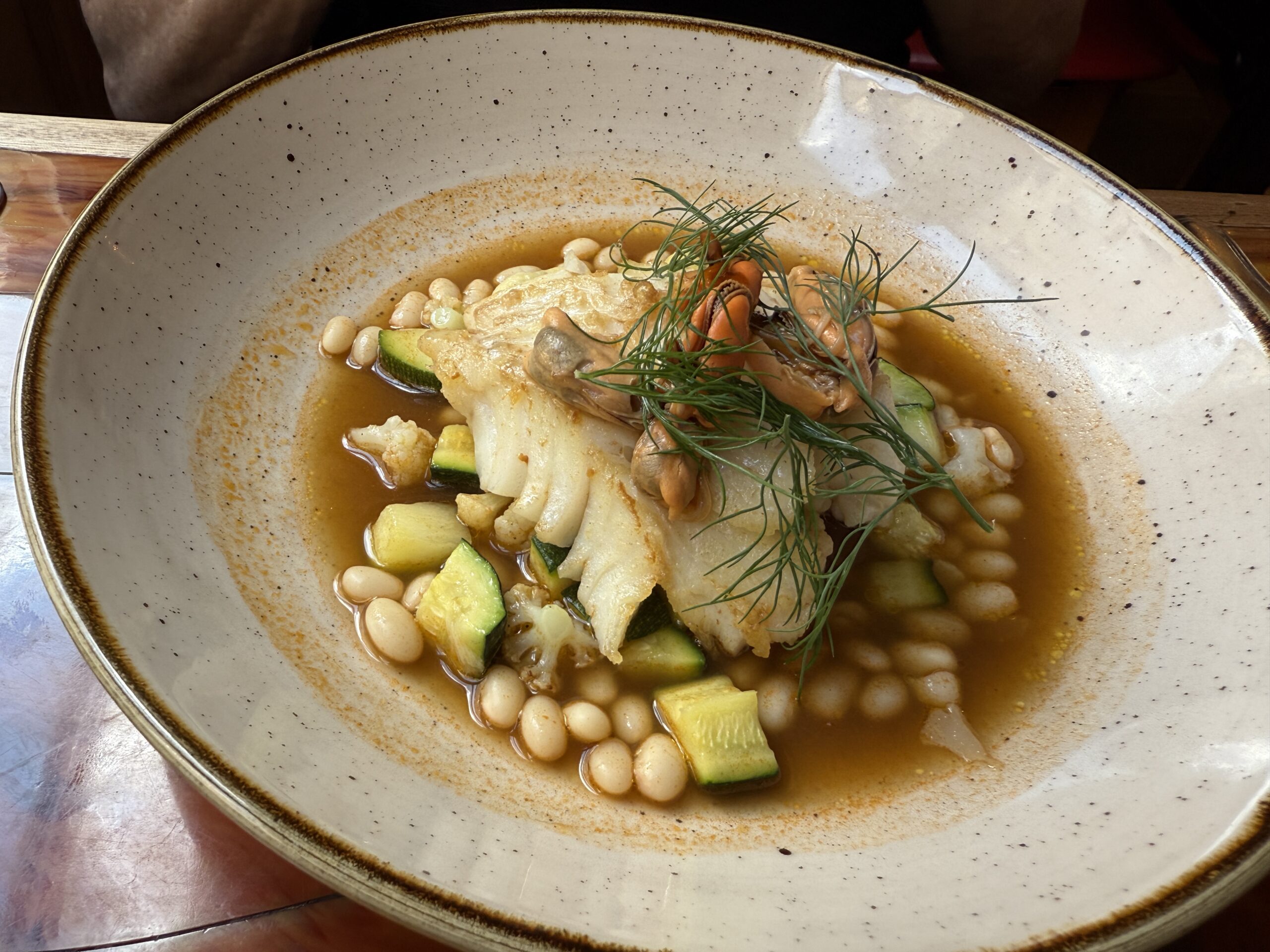
These menus are fun to reverse engineer–you try to recreate the menu choices without the actual menus, inventing how the composition might have been served.
A bit of historical context is that the French were among the first to “discover” Japanese esthetics in a movement called Japonisme. From Van Gogh’s brushstrokes to affordable silk clothing to Monet’s depiction of his wife in kimono with a fan, the list is long. Both cultures are “high-context,” meaning difficult to penetrate, much less understand. In fact, “Japanese” has a meaning in France similar to the way “French” is used to mean “special” in the U.S., at least before Liberty Fries–like French fries, French kiss, French toast, etc.
Lunch Menu May 21, 2025
Starters
– Salmon Gravlàx then house smoked, garden radishes, avocado cream, radish top coulis, Granny Smith apples – Calf’s head cooked in broth, served sliced like carpaccio, anchovy ravigote sauce, délicatesse new potatoes 1 – Artichoke heart veloute, candied purple artichokes, white asparagus, chorizo vinaigrette, Parmesan crumble
Main Courses
2 – Cod filet, rope mussels, shrimp bisque, white beans, zucchini, cauliflower – Basque pork loin in panko breadcrumbs, chimichurri sauce; potato puree, round turnips, red cabbage 3 – Veal shoulder confit with lemongrass, reduced cooking juices; red carrot purée with cumin, carrot tops, peas
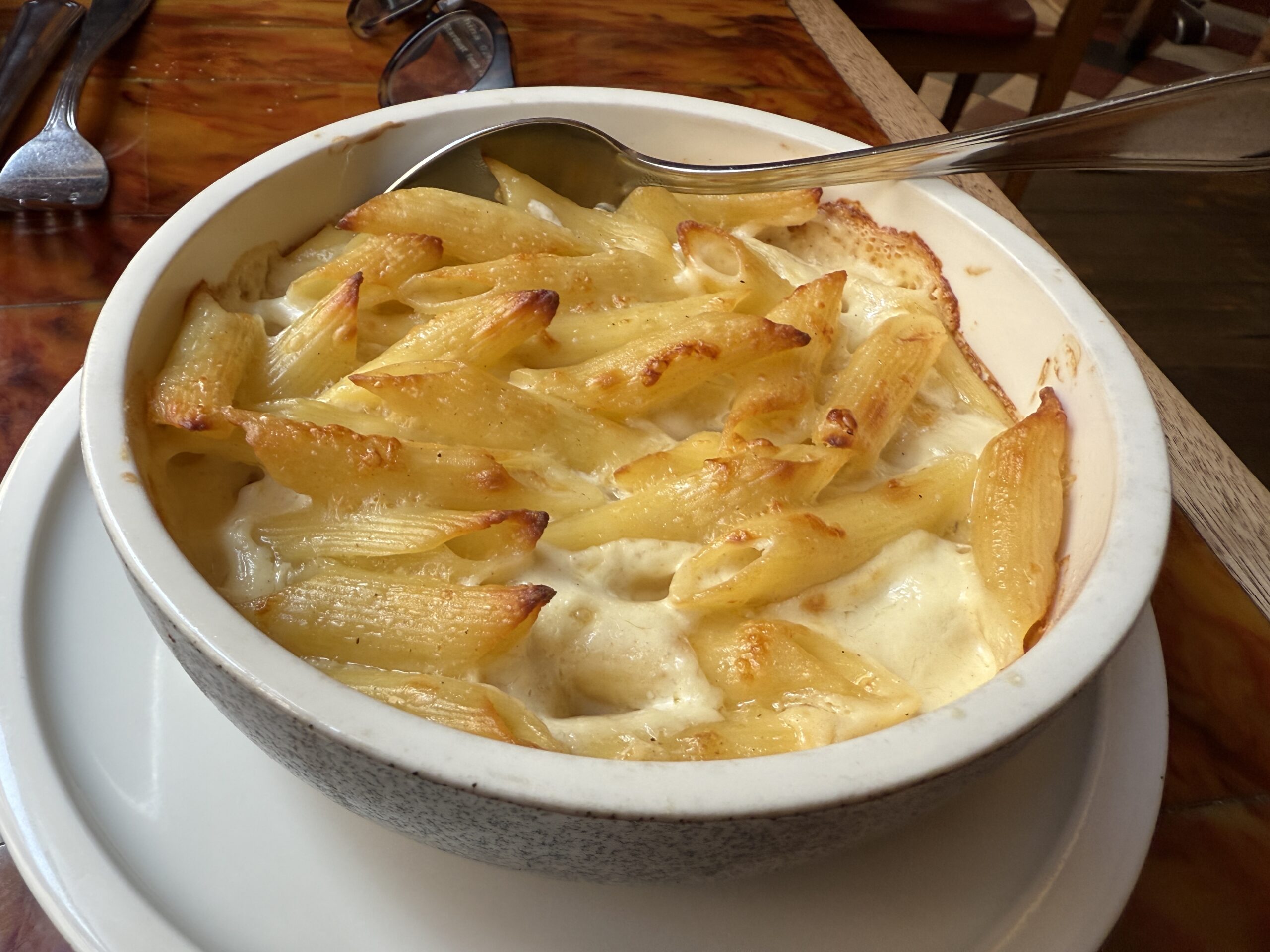
4 – As a side dish to share or not! Since 1994, Macaroni gratin 300g…. €12
Cheese or Desserts
– Raw cow’s milk tome, black cherry jam – 64% dark chocolate mousse, salted butter caramel, cocoa nibs, crunchy peanuts – Floating isles, vanilla custard, raspberry coulis, strawberries
Vieux Lyon or the old city is the main tourist section. A gothic church named Saint Jean anchors a plaza from which lead walking streets full of bars, bouchons, and shops.
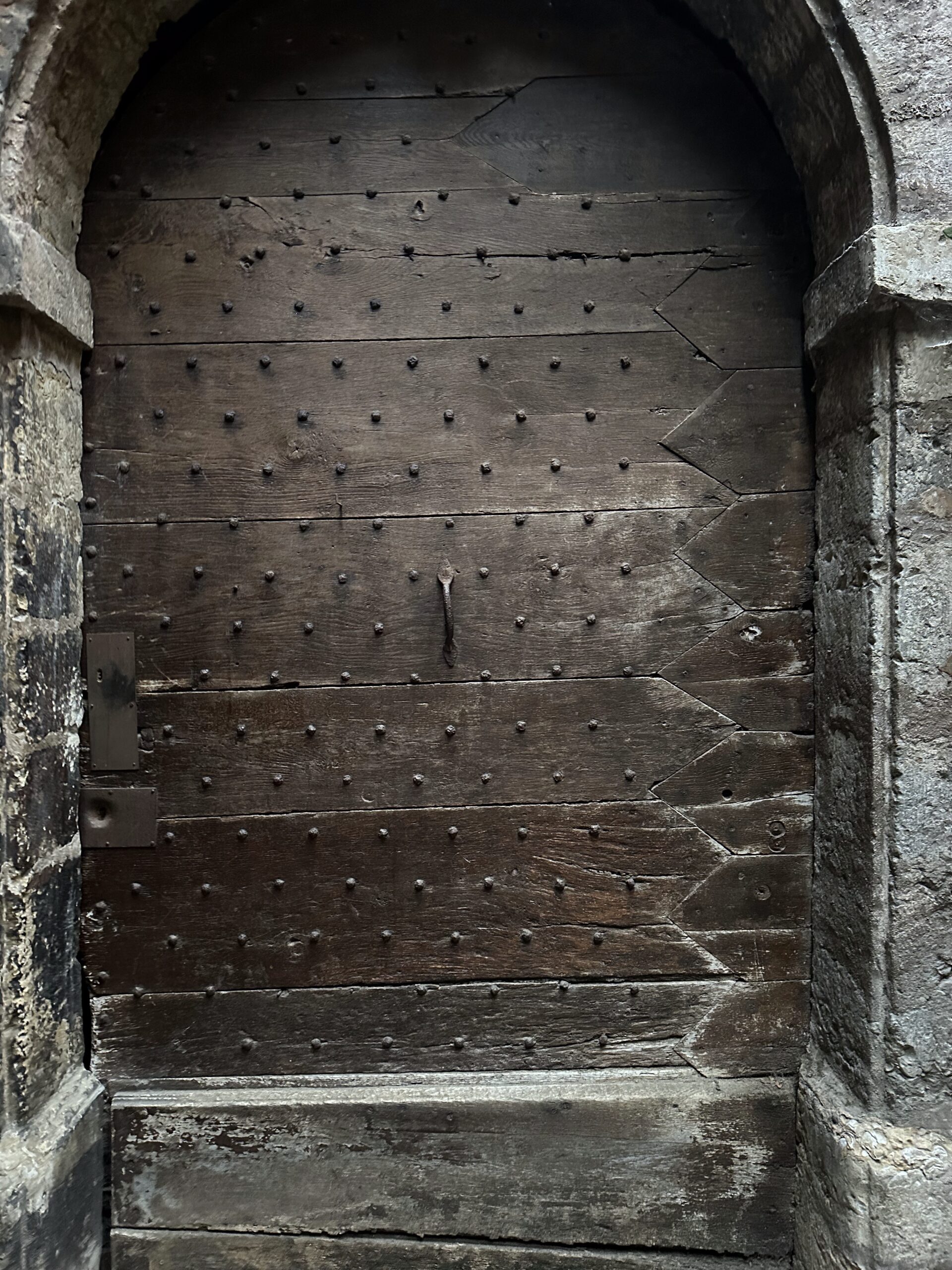
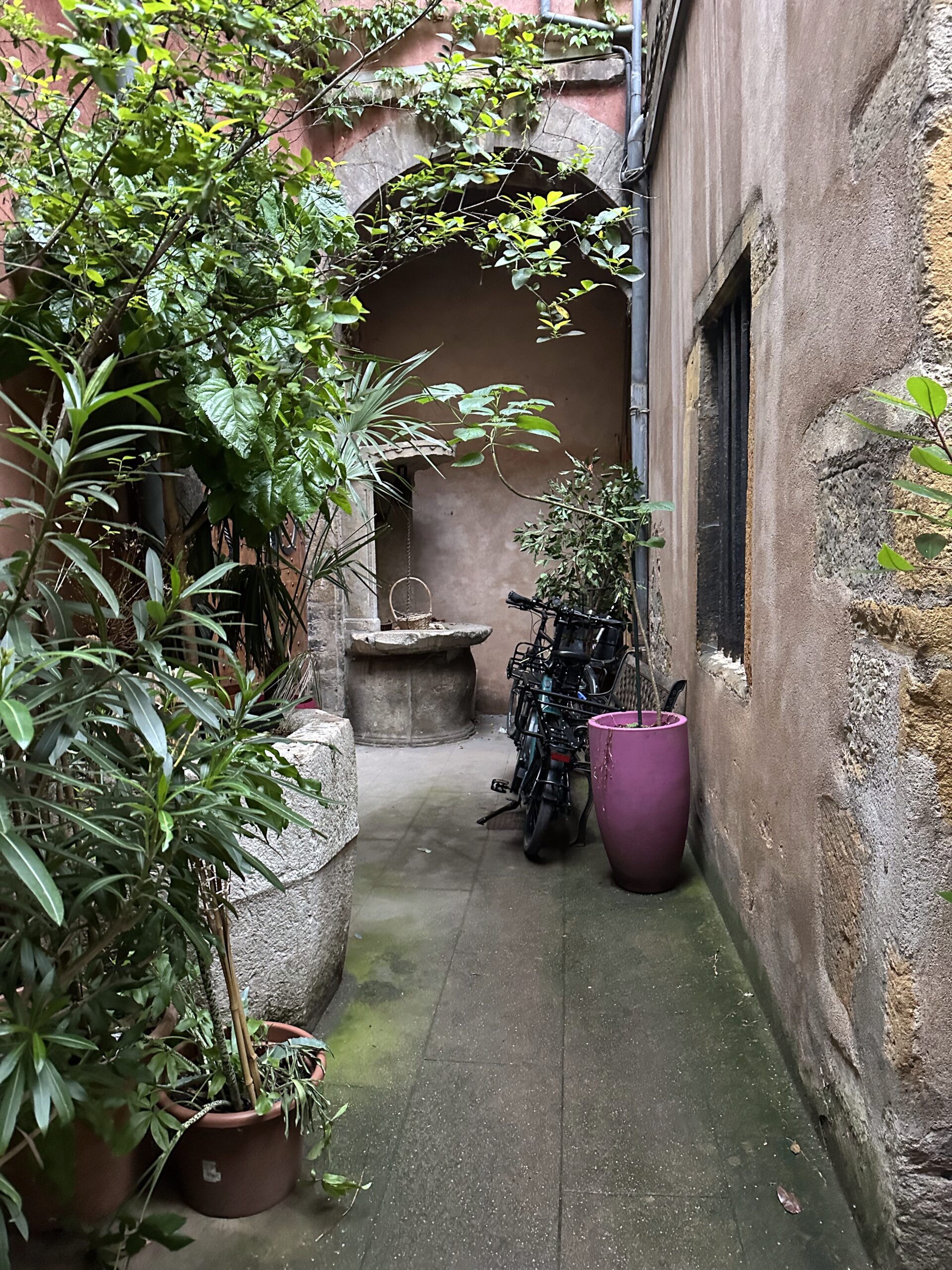
Unique to Lyon are enclosed passageways or traboules which connect parallel streets in this narrow winding old part of town. Silk makers (or “canuts”) used the passageways to shelter their product from the weather. You can visit a traboule if you are quiet and respectful, as they function in present day as charming passageways off of which Lyonnaise live. The traboules made excellent hideouts for the French resistance during German occupation in WW2.
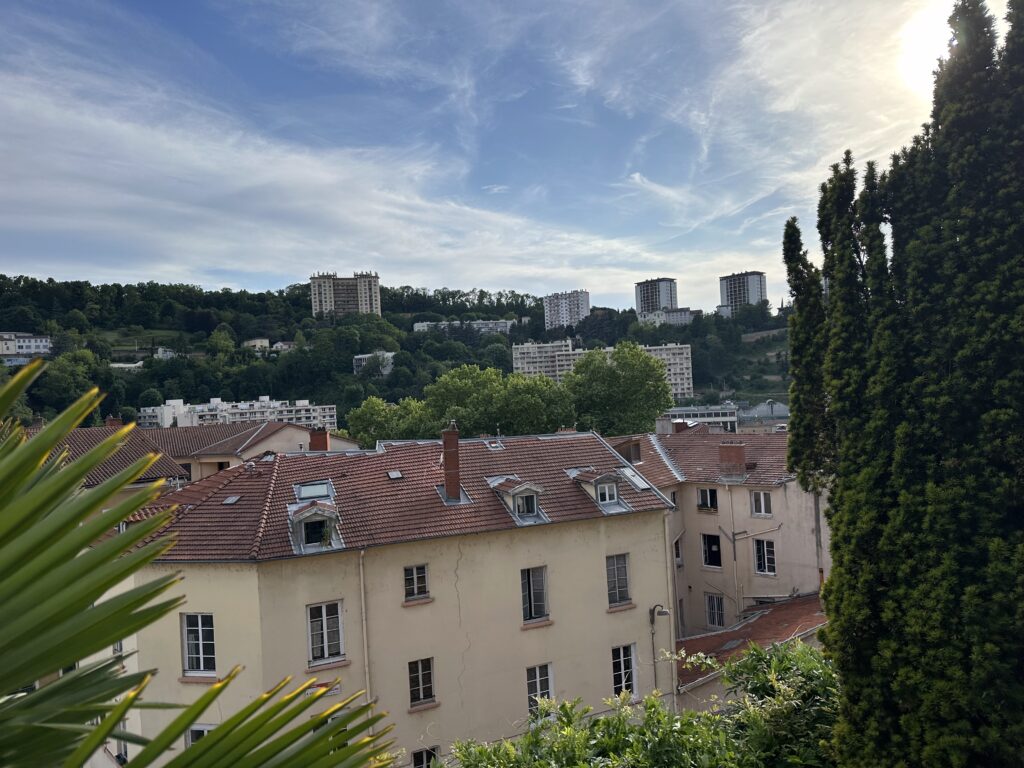
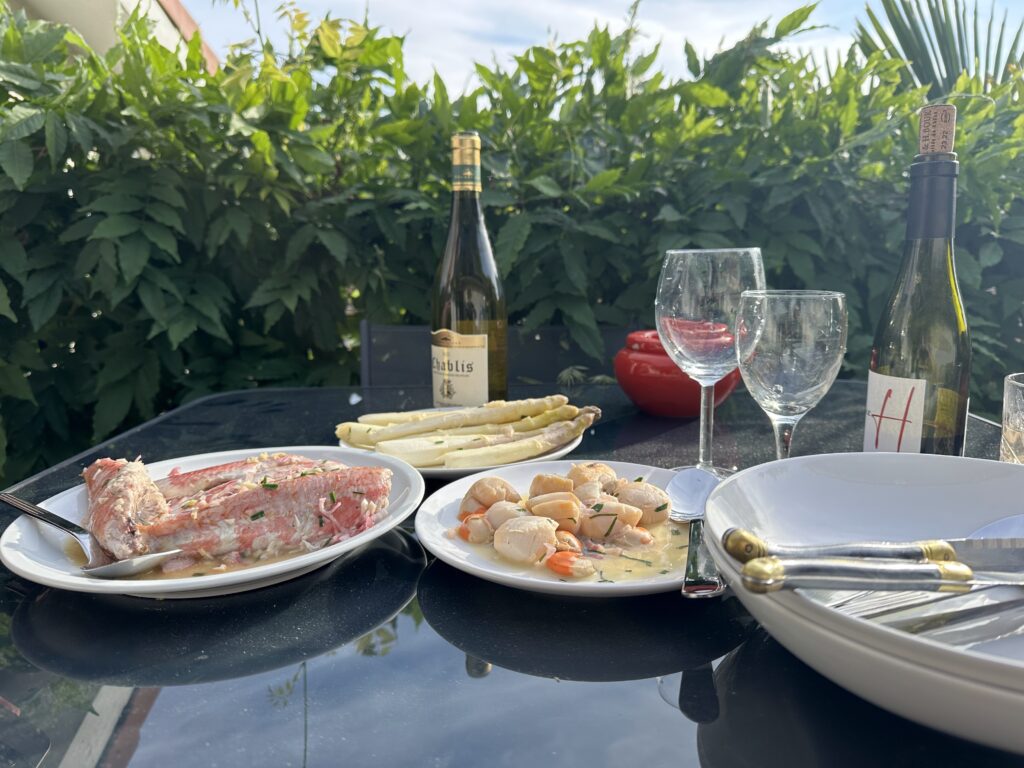
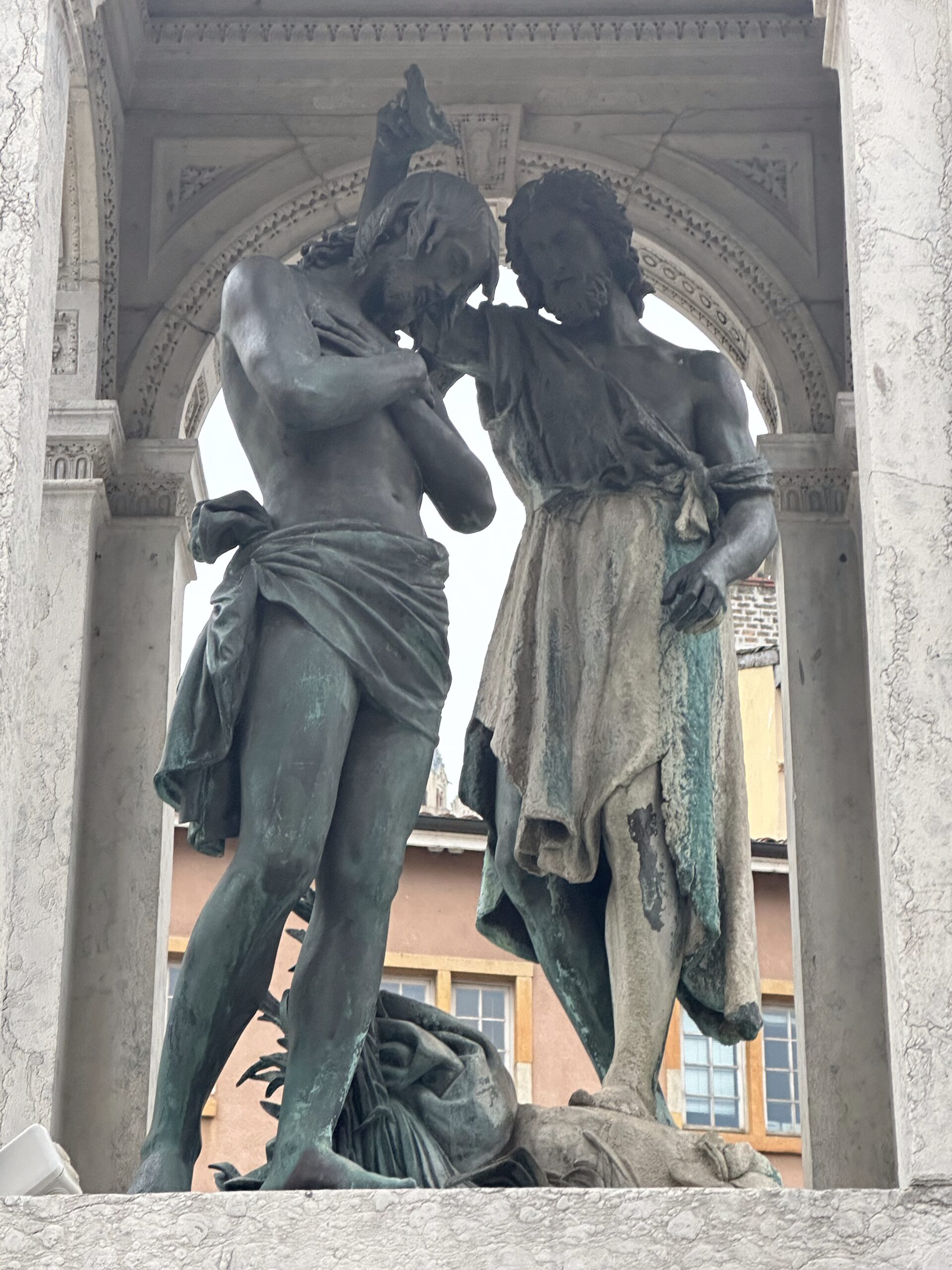
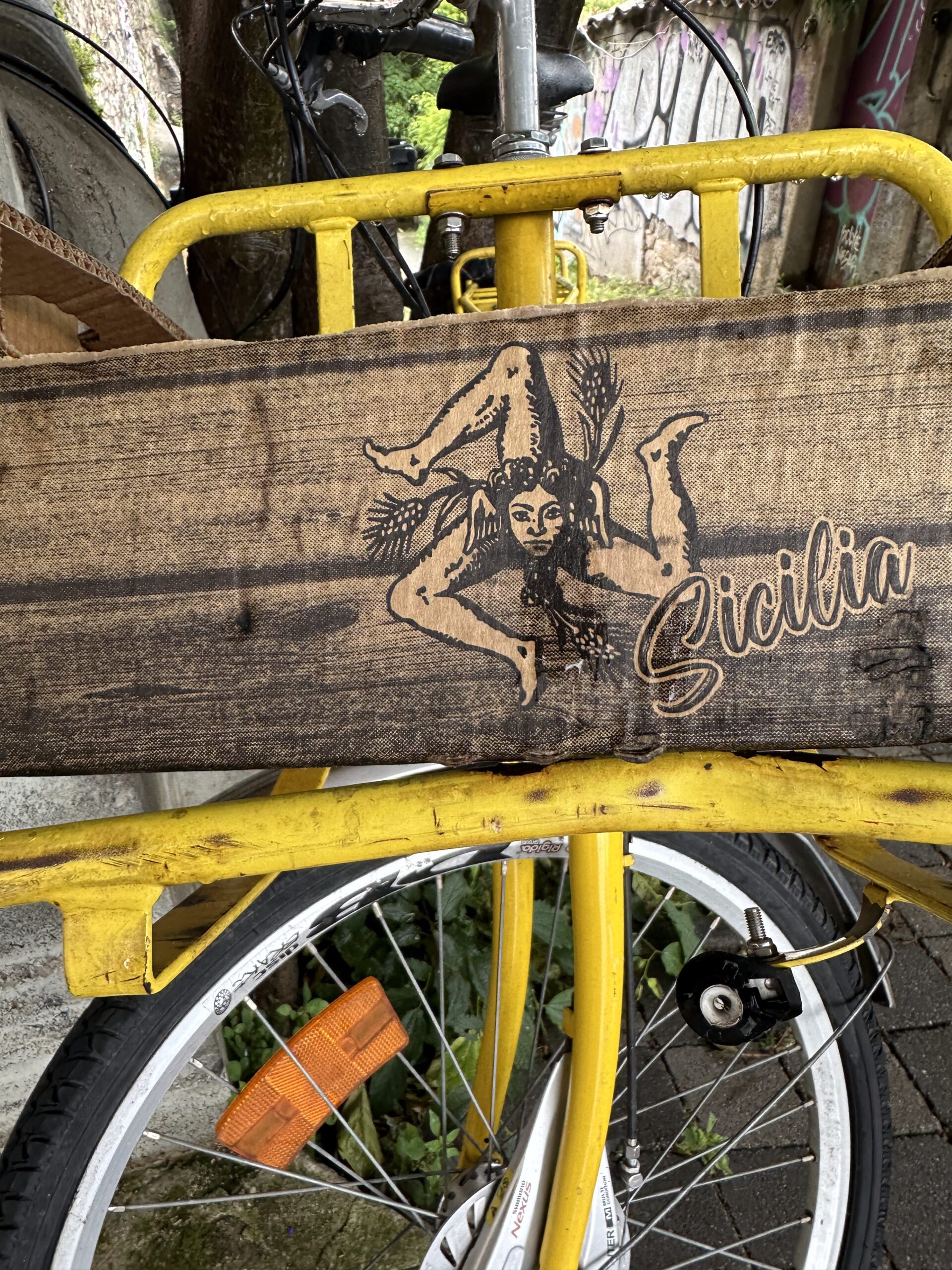
One historical layer is piled upon another in Lyon. Gallo-Roman ruins live cheek-by-jowl with Gothic churches and modern murals. Here are a few city scenes to amuse you including a view from our airbnb as well as the dinner of mullet and scallops with fat white asparagus Mikie made one night.
Walking around in France, one is struck by beauty everywhere. Lone poppies sprout up from sidewalk cracks. Unassuming patches of land sport French gardens which look wild but upon further inspection, were very much intended (and tended).
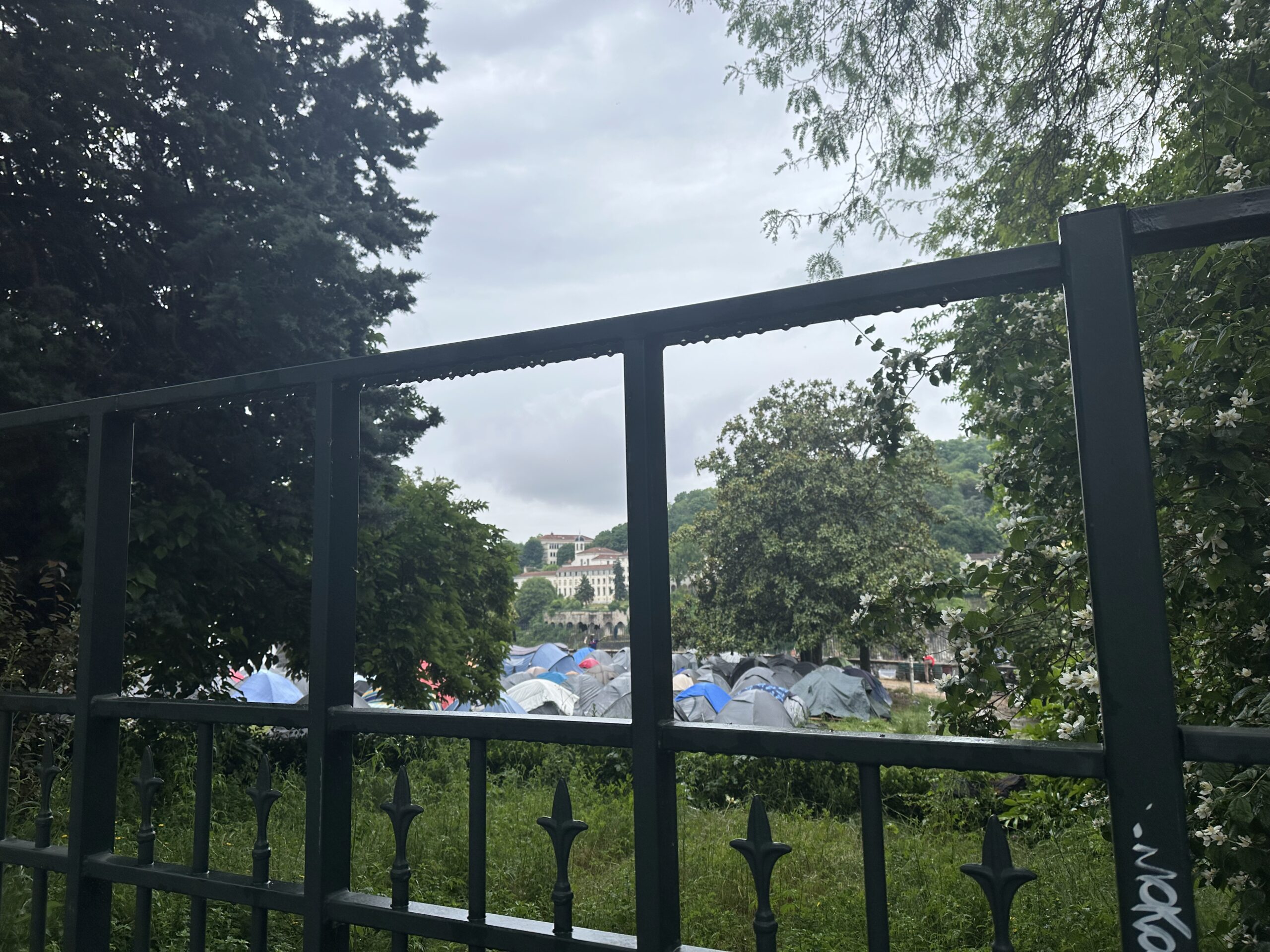
In Paris, we saw the occasional beggar. In Lyon, we saw a nearly hidden park with a sea of tents which, sadly, are familiar to any Angeleno.